Tunisia targets 35% renewable electricity by 2030
By the AFREEQUE newsroom, based on Tunisia Online
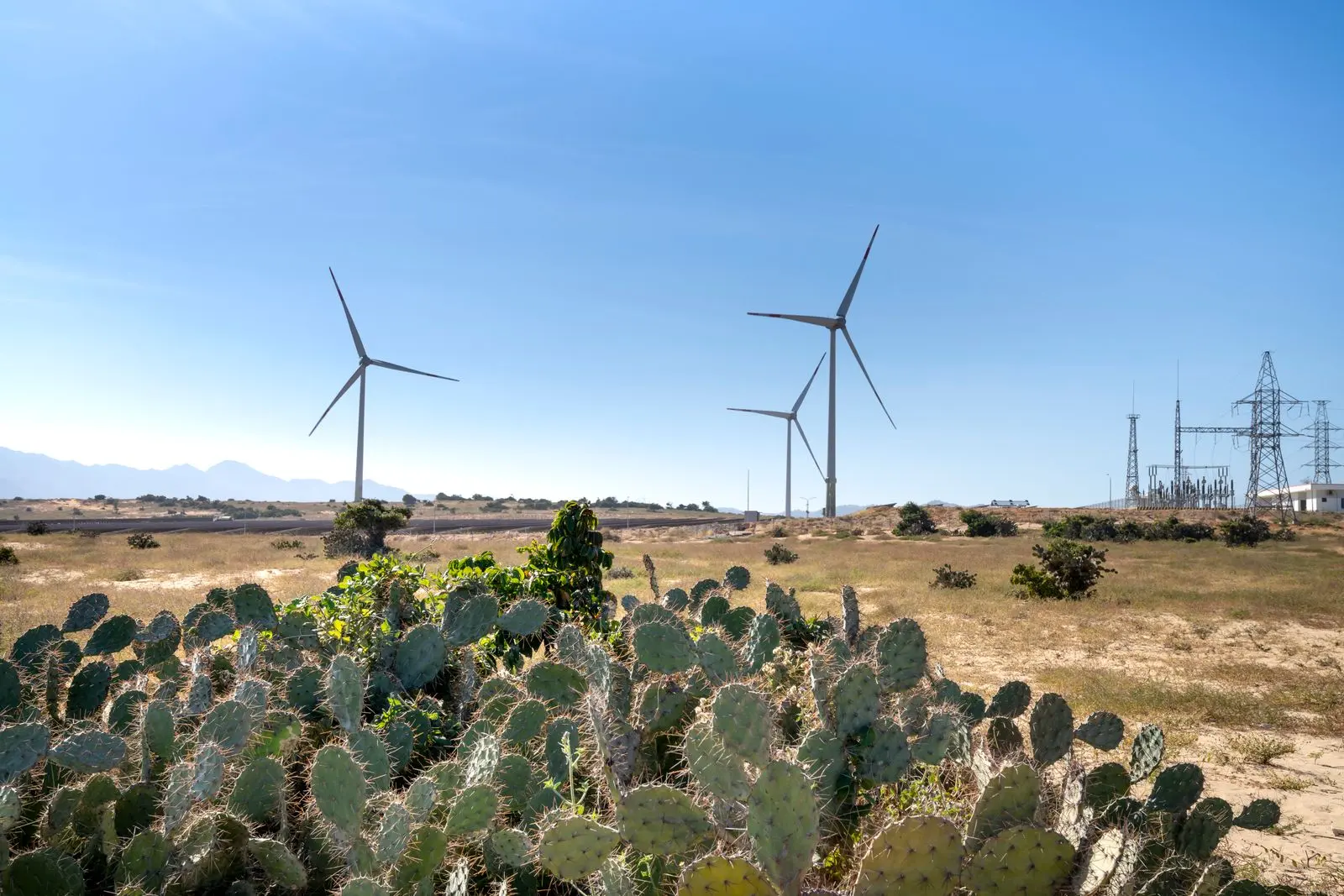 Illustrative image · Quang Nguyen Vinh · Pexels · Licence Pexels
Tunisia is maintaining its target of producing 35% of its electricity from renewable sources by 2030, with a greater role for wind power. Nearly 300 MW of new renewable capacity is due to be connected to the grid by summer 2027, according to Tunisia Online.
Tunisia plans to connect nearly 300 MW of new renewable capacity to the electricity grid by summer 2027, in addition to around 40 MW covered by a new round of authorisations, according to Tunisia Online. The programme notably includes an expansion of around 30 MW at the Sidi Daoud wind farm and several photovoltaic plants equipped with storage capacity.
A delegation representing 11 Tunisian institutions recently attended the WindEnergy Hamburg trade fair to study financing, storage and grid integration models. Discussions focused on land availability, simplifying authorisation procedures, heritage protection and the grid’s capacity to absorb variable renewable generation. The delegation notably visited a wind farm in Reußenköge coupled with storage systems and partly financed by local residents, a model that interests Tunisia to facilitate grid management and the acceptance of projects.
The development of wind power is intended to complement the growth of photovoltaic solar power, whose generation occurs at different times. Diversifying renewable sources should also help reduce the dependence of Tunisia’s electricity generation on imported natural gas, according to Tunisia Online.
The new target of 35% renewable electricity by 2030 is a longer-term objective than the one announced on 22 October for 2027. The target of 16% renewable electricity in 2027 was then presented by Tunisia as a step in its renewable energy development policy.