African business news summarised in English: companies, finance, energy, agriculture, trade and infrastructure, from the local press. 382 articles published.
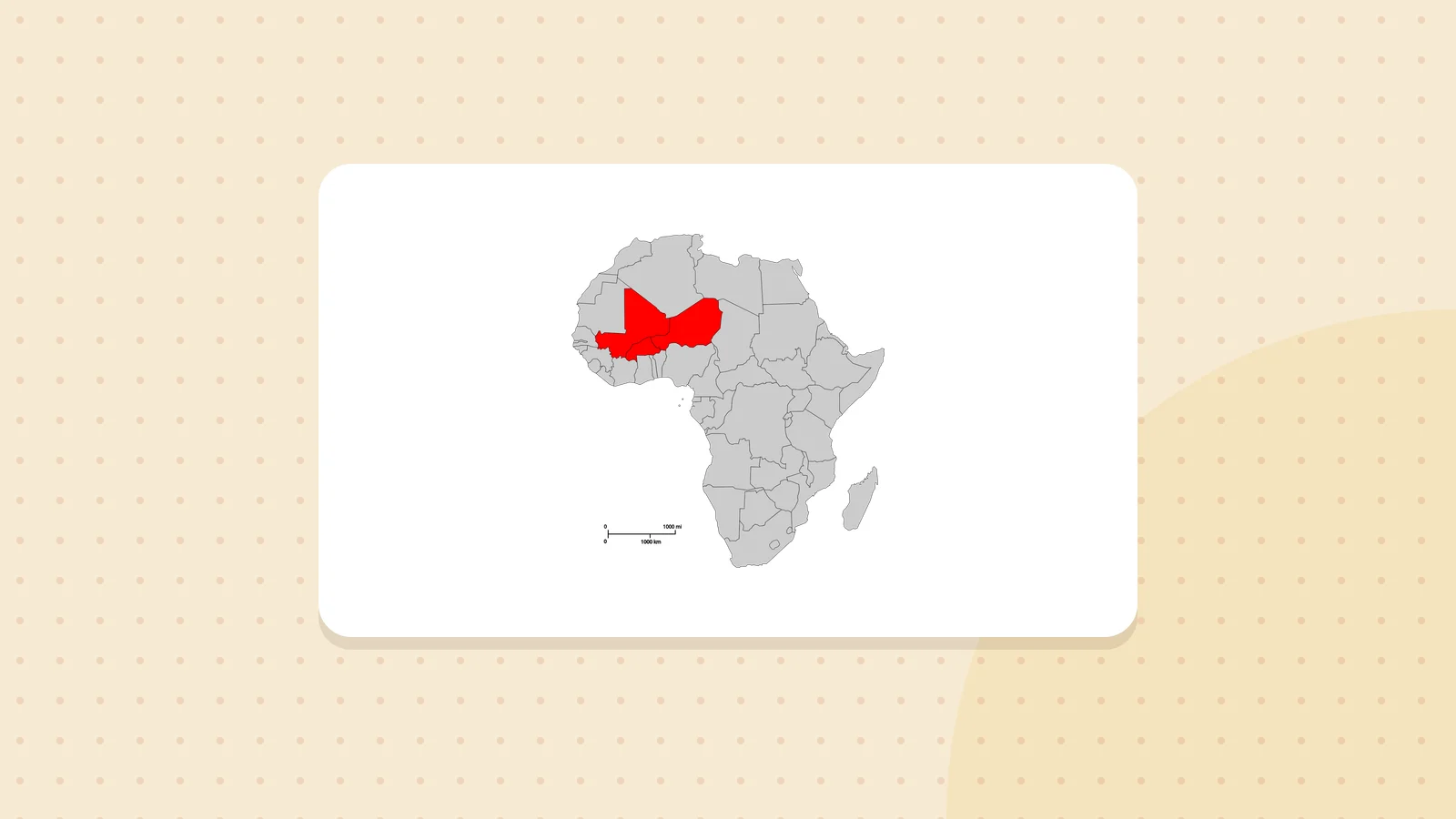
Togo is taking part in a meeting of the directors-general of customs of the Alliance of Sahel States and the commissioner-general of the Togolese Revenue Office, which opened on 15 October 2026 in Ouagadougou. The discussions concern harmonising procedures, interconnecting IT systems and securing transit, in order to reduce the time needed to transport goods to Burkina Faso, Mali and Niger, reports Togotopnews.
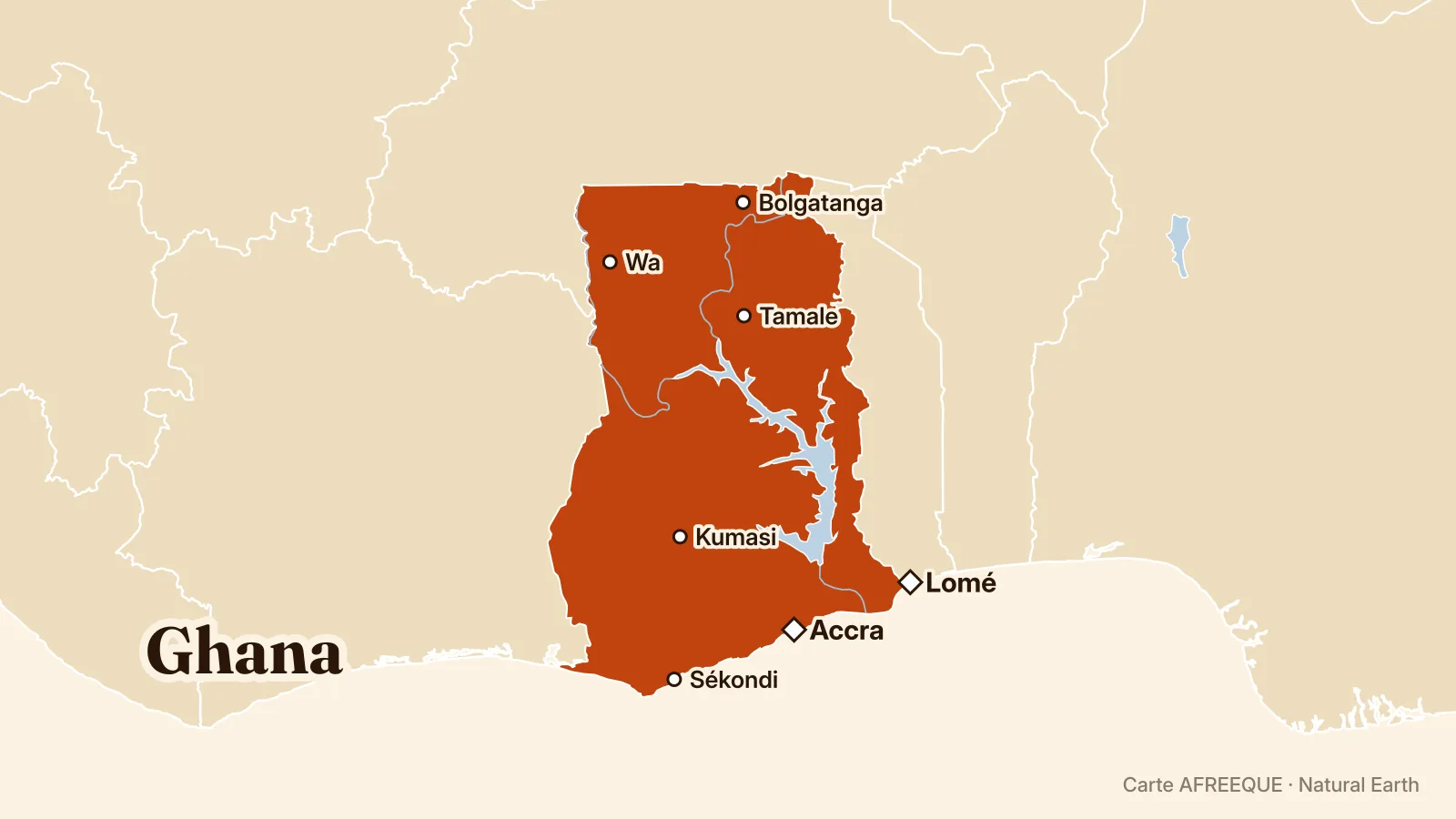
Germany’s ambassador to Ghana, Frederik Landshoeft, is calling for protection of the Volta Region’s coastline that also takes residents’ livelihoods and safety into account. During a dialogue organised in Keta by the German embassy, participants called for interventions suited to communities facing coastal erosion and displacement risks, according to the Ghanaian Times.
KCB Bank Uganda has joined the Uganda Coffee Group, a private initiative to develop local coffee processing, packaging and marketing. The group aims to increase the value retained in Uganda, which exported 7.75 million bags and earned $2.21 billion in 2024-2025, Pmldaily reports.
The IMF says Senegal can once again access bond markets, but financing conditions remain difficult, with spreads above 500 basis points for import-dependent countries. African sovereign issuances continued through September 2026, according to the IMF’s Africa Department.
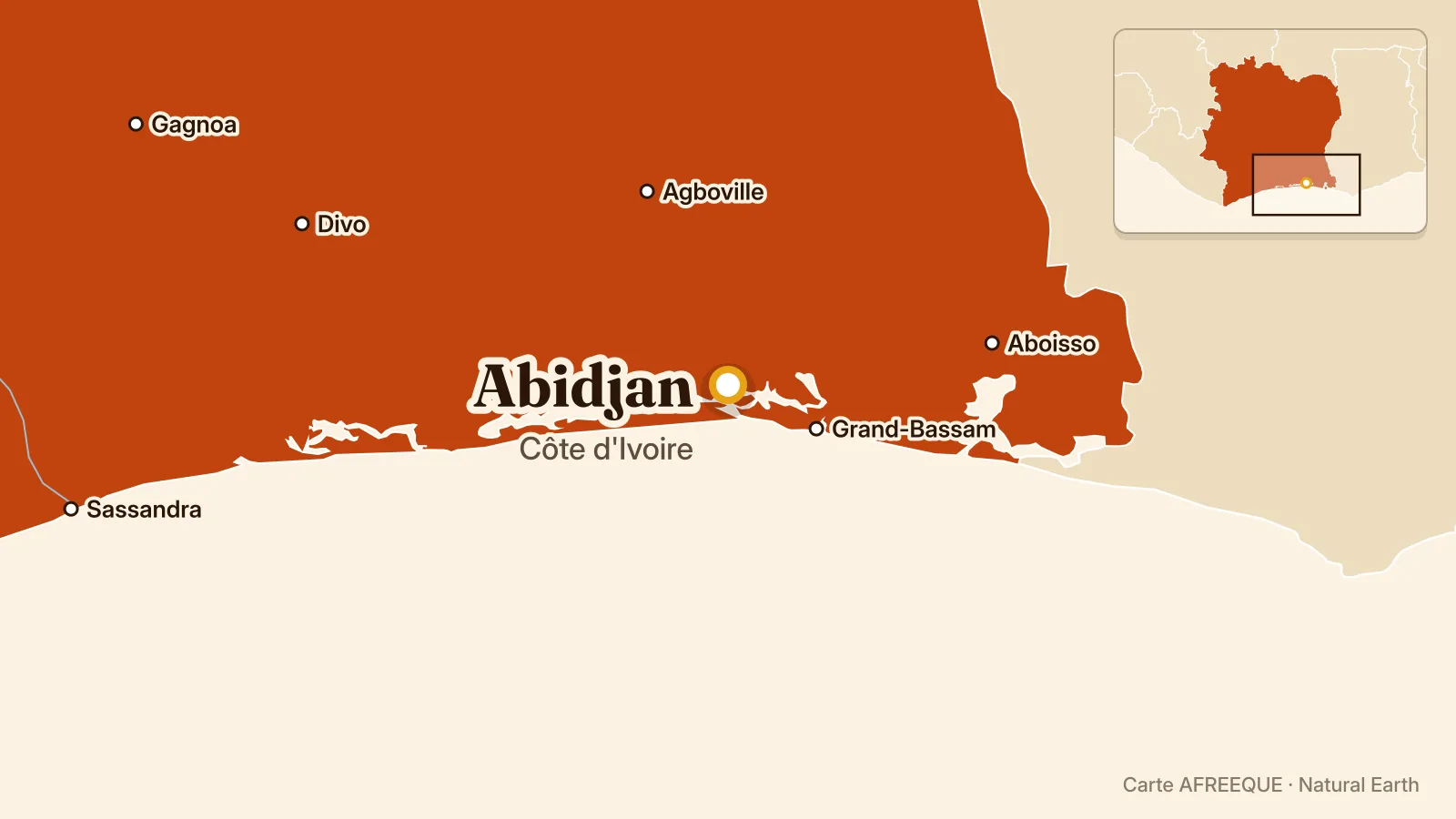
The Abidjan Regional Water Forum put hydro-diplomacy at the centre of managing West Africa’s 28 shared river basins. Participants presented, among other things, cooperation by the OMVS and joint ownership of its infrastructure as regional models, according to Matin Libre.
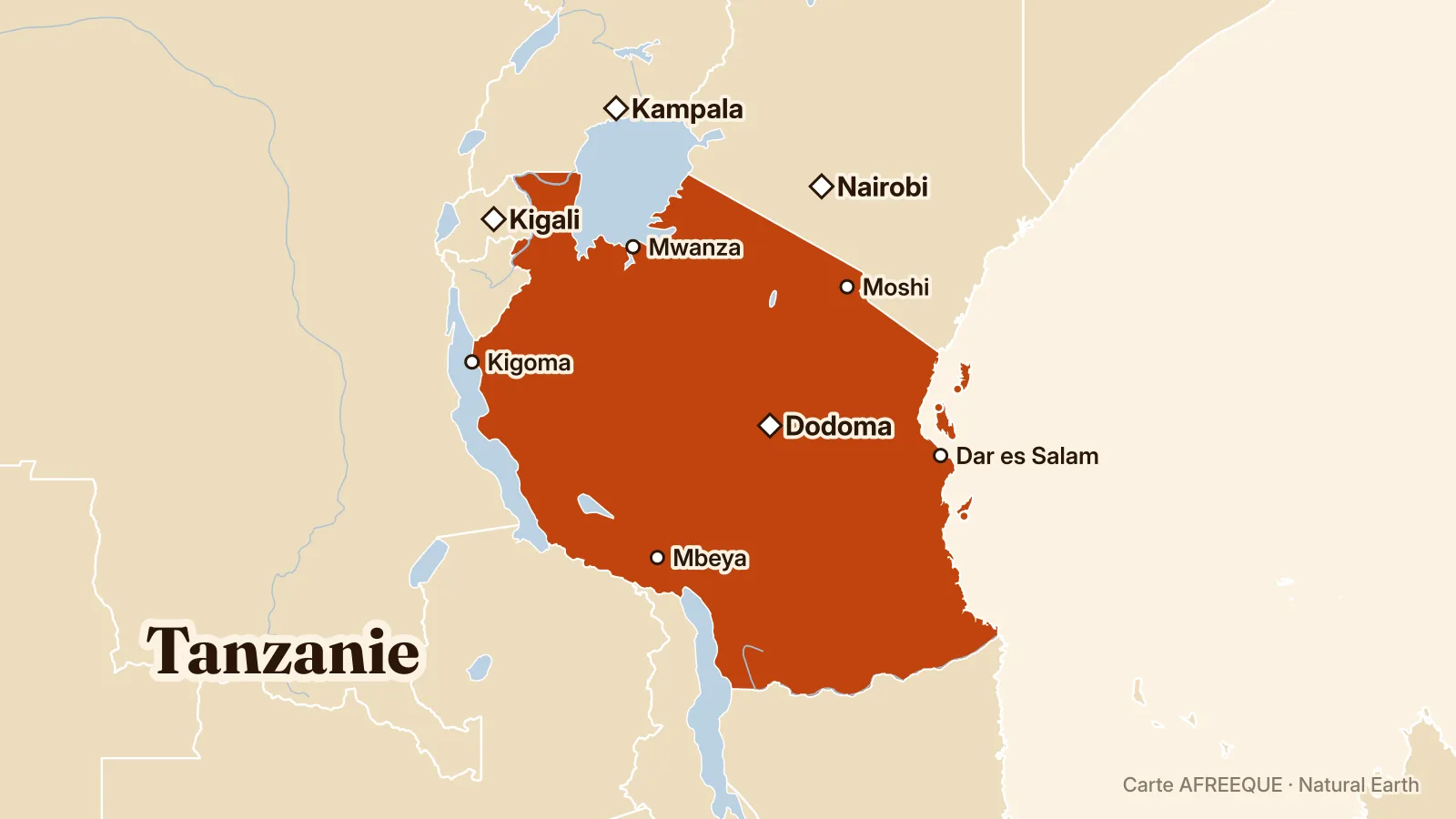
The Tanzanian government plans to allocate 15 billion shillings to build access roads and bypasses in the Songwe region. Six billion will go to Momba District, including three billion for Tunduma, to reduce traffic congestion and facilitate the transport of goods, Riziki Shemdoe announced.
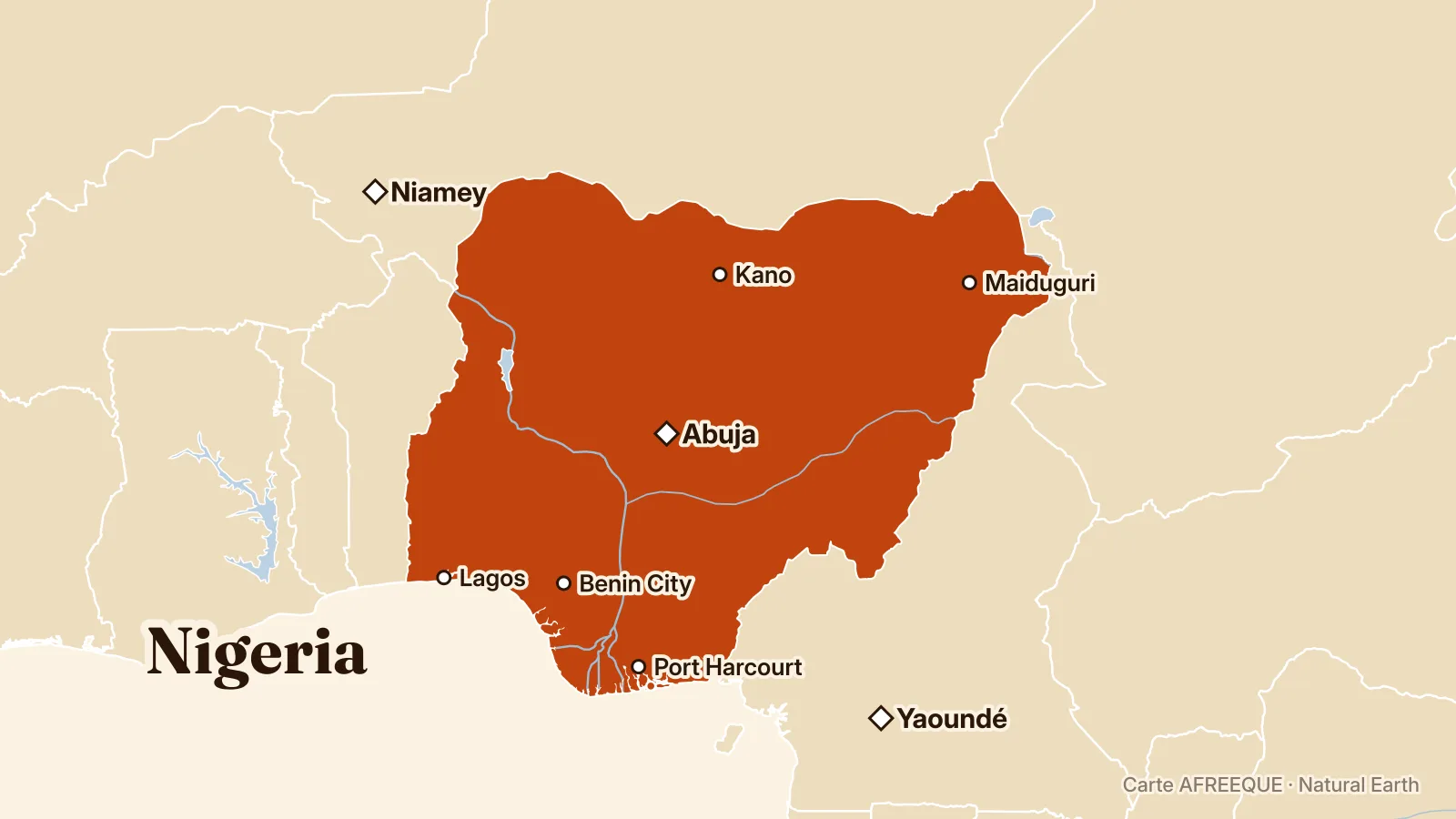
Nigeria recorded an additional 17.9 million multidimensionally poor people between 2021 and 2024, bringing the total to 90.07 million and the poverty rate to 38.7%. The increase, the largest in the world in absolute terms, is reported in the 2026 index by the UNDP and the University of Oxford.
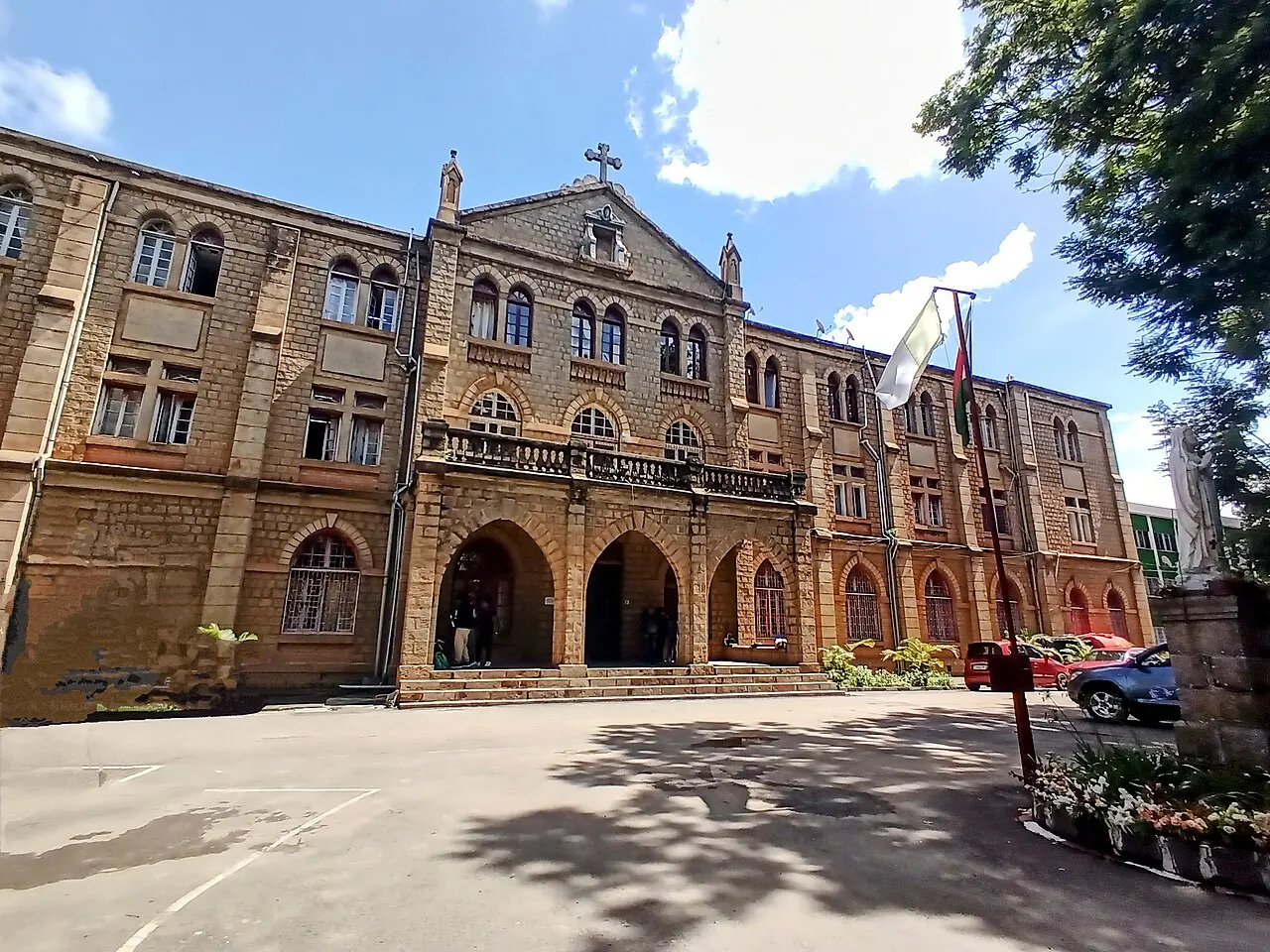
The Business Day held on 15 October at INSCAE in Antananarivo connected students with more than 25 partner companies to help them find internships, jobs and entrepreneurial opportunities. The institution aims to bring students closer to recruiters, according to L’Express de Madagascar.
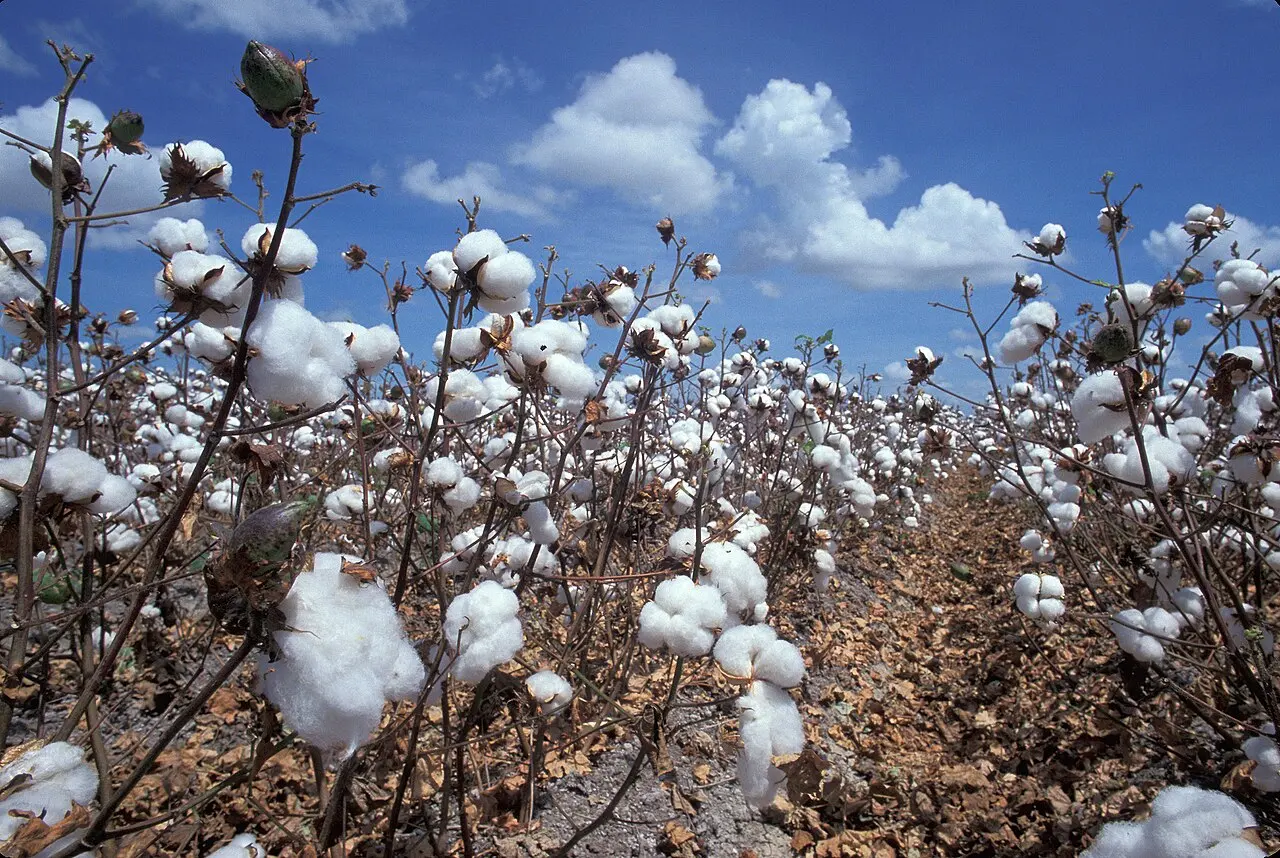
The lack of rain since August in Analamisampy, in Toliara II district, threatens cotton cultivation, the only cotton production still practised in Madagascar’s Atsimo-Andrefana region. Nearly 70 hectares planted by Ludovic Honaly are exposed to the El Niño phenomenon, L’Express de Madagascar reports.
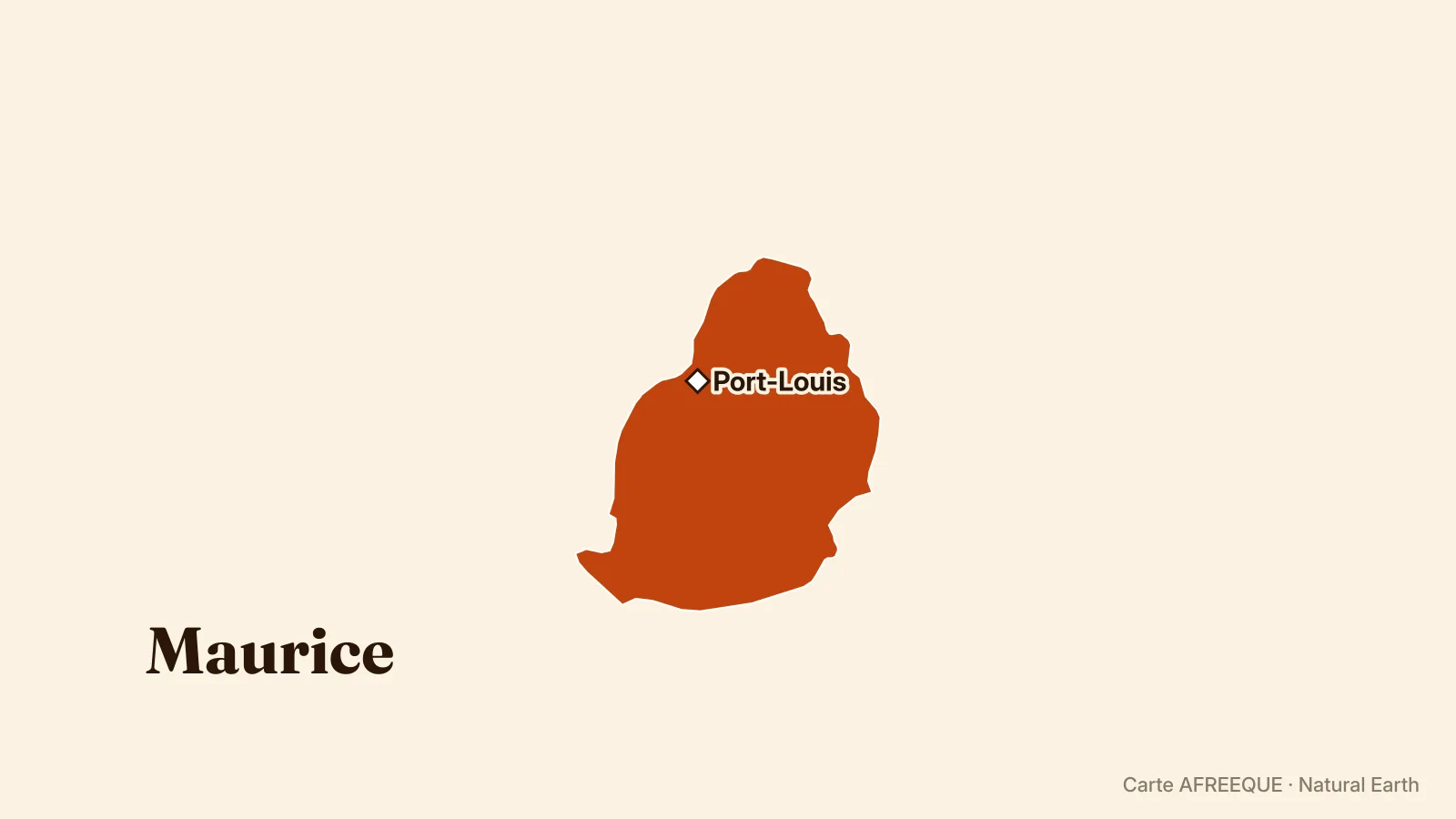
Mauritius imports more than 70% of its food, exposing the country to fluctuations in global prices and supply-chain disruptions linked in particular to El Niño, energy and fertilisers. The phenomenon is expected to peak in December and its effects could continue into 2027, according to the BBC and a contribution from Mauritius’s Agro-Industry Ministry published by the FAO.
Wayve Microfinance Bank says it is in talks with the Nigerian Securities and Exchange Commission over the sale of the Dangote Petroleum Refinery initial public offering through its WayvePay platform. The bank is responding to a regulator’s warning urging the public not to buy the offer through its digital service, according to a WayvePay statement.
Deductions from Nigerian oil revenues fell by 1.7 trillion naira to 8.4 trillion in the first half of 2026, according to the World Bank. The institution partly attributes the decline to a decree by President Bola Tinubu that ended certain deductions by state oil company NNPC and redirected gas-flaring penalties to the federal account, Punch reports.
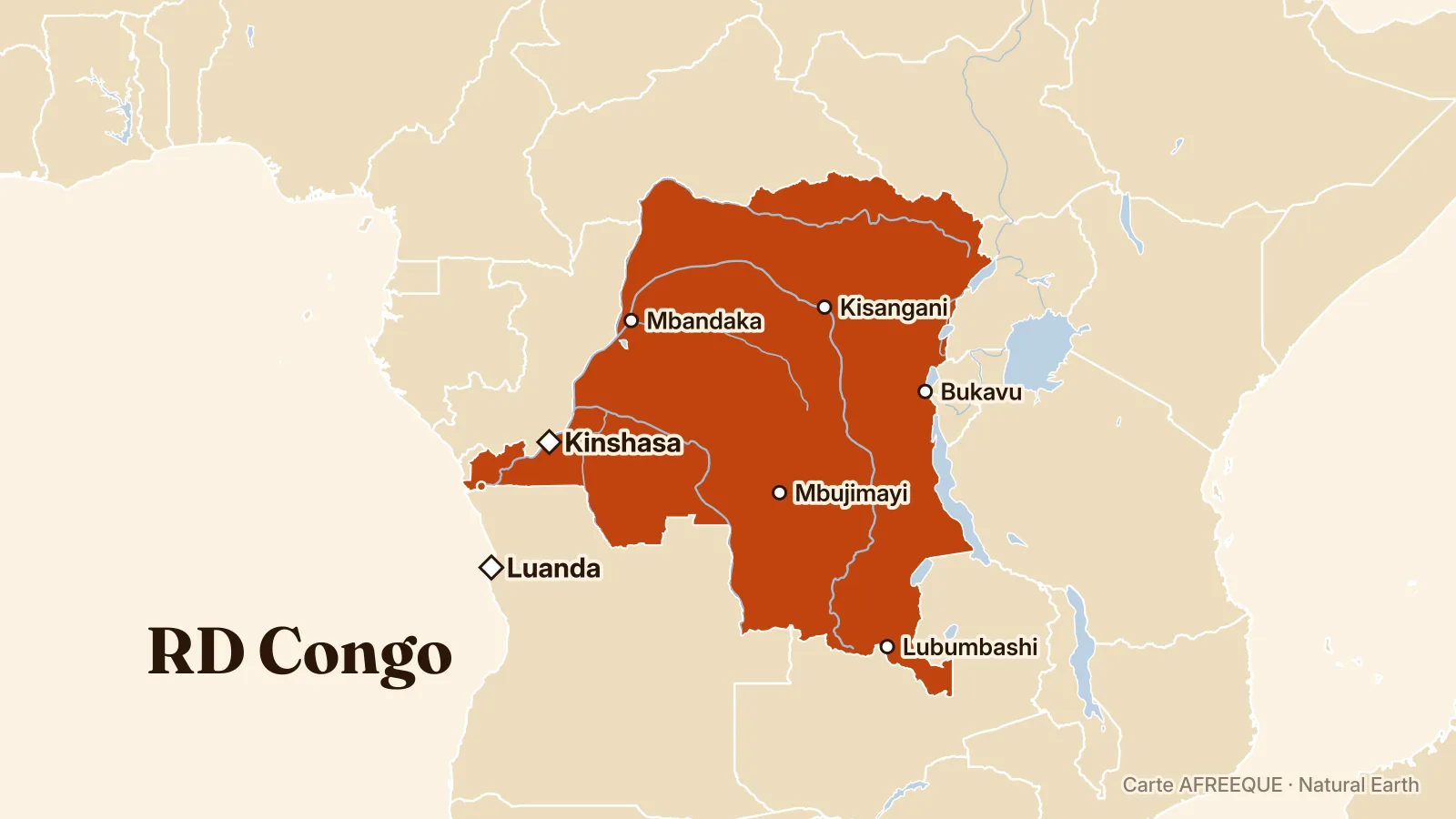
Tshopo Governor Paulin Lendongolia Lebabonga brought tools, seeds and sacks of rice to the Higher Institute of Agronomic Studies in Bengamisa, in Banalia Territory. The aid accompanied a visit to assess the institution’s infrastructure and needs ahead of its revival, reports Kis24.
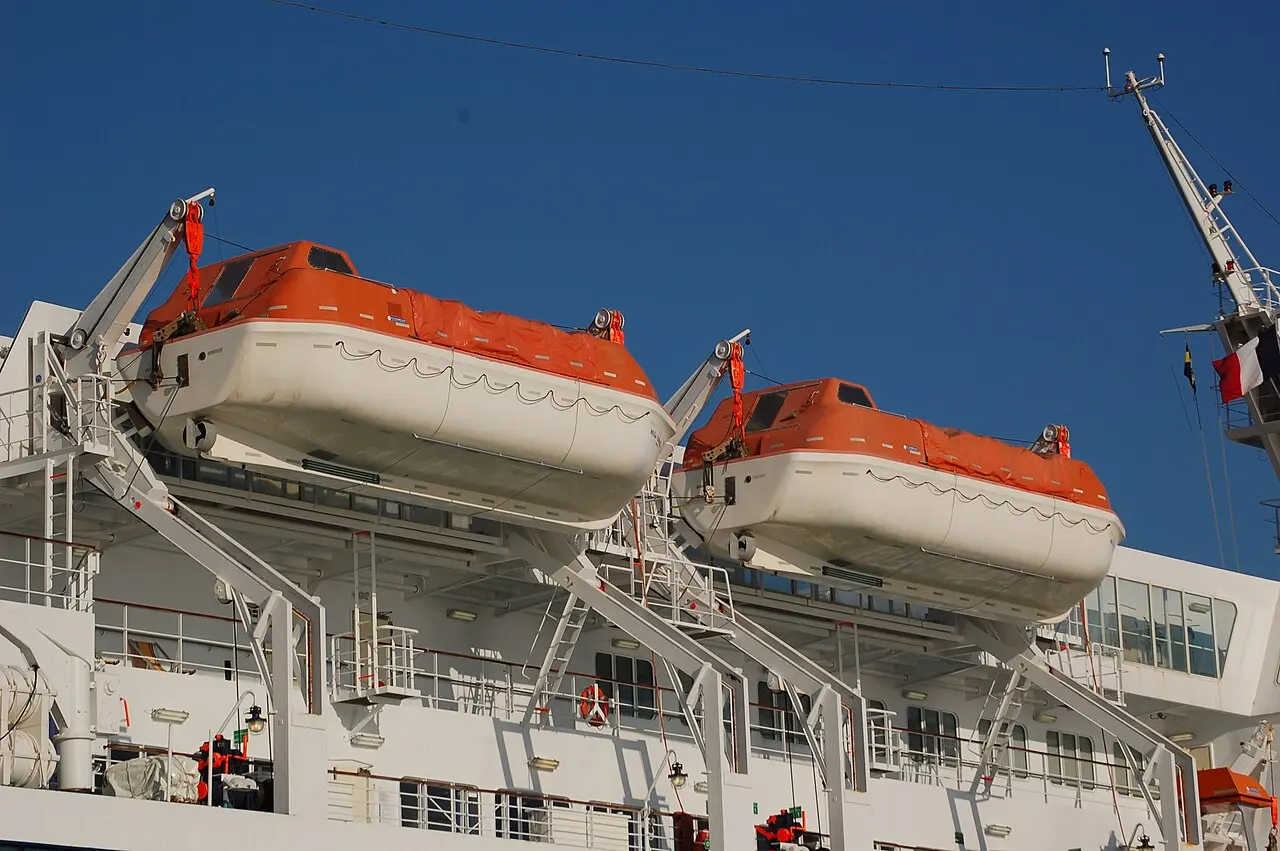
The oil tanker M/T Solas 7 resumed its voyage in Djibouti after nine days of maintenance, three days sooner than planned. Work covered the hull, propeller, cooling systems and wastewater, the Djiboutian Information Agency (ADI) reports.
Foreign currency demand in Nigeria reached $18.34 billion in the second quarter of 2026, including $9.64 billion for financial services. This use rose by 12.84% quarter on quarter and 52.42% year on year, according to a Financial Markets Dealers Association report based on central bank data.
Nigeria plans to install 750,000 electricity meters in 2027 under the Presidential Metering Initiative. The measure is intended to reduce estimated billing, while 8.05 million of 12.75 million active customers already had a meter in August 2026, a coverage rate of 63.10%, according to the Nigerian Electricity Regulatory Commission.
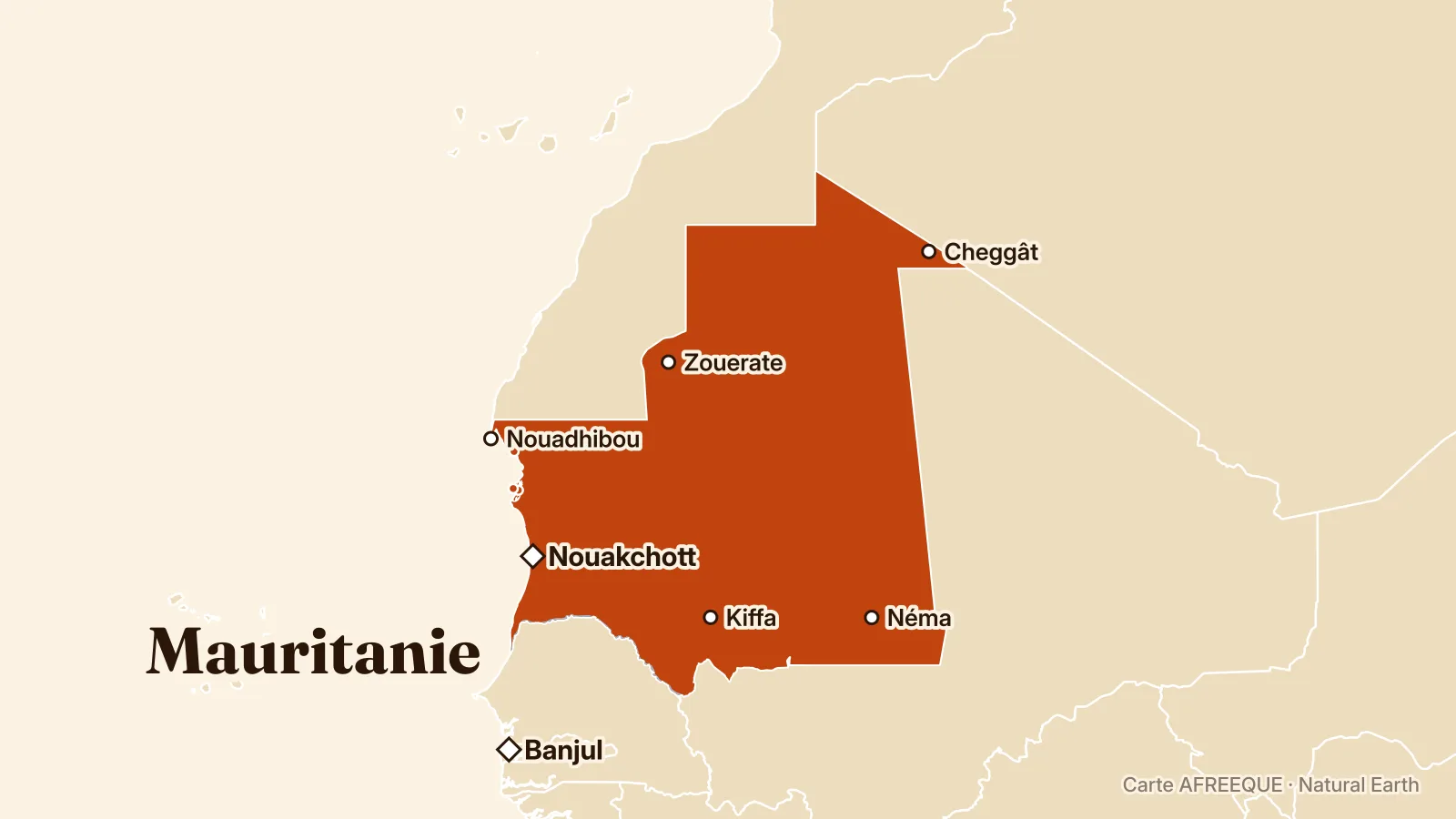
The US State Department’s 2026 report says legal, tax and administrative reforms have improved Mauritania’s investment climate, despite challenges in governance, justice and access to finance. Growth reached 4.2% in 2025 and is expected to stand at 4.8% in 2026, while the report cites the revision of the Investment Code and the law on public-private partnerships, according to Lecalame.
Chinese companies are gaining ground in electronics, artificial intelligence, humanoid robots and foldable devices. The shift reflects a move from an industry based on imitation to a role as a technology pioneer, driven by research and domestic competition, according to Alwihda Info.