African business news summarised in English: companies, finance, energy, agriculture, trade and infrastructure, from the local press. 389 articles published.
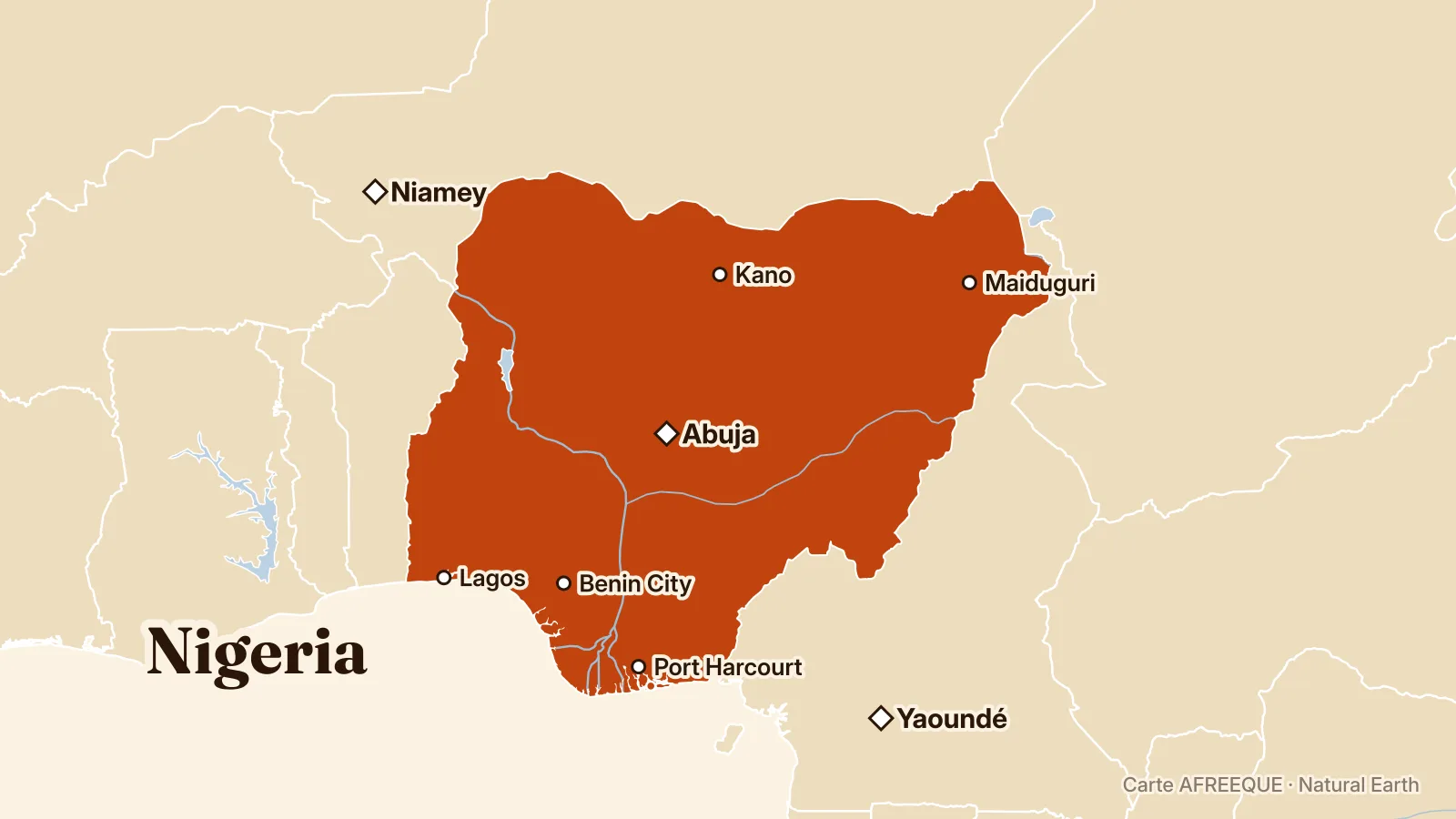
Deductions from Nigerian oil revenues fell by 1.7 trillion naira to 8.4 trillion in the first half of 2026, according to the World Bank. The institution partly attributes the decline to a decree by President Bola Tinubu that ended certain deductions by state oil company NNPC and redirected gas-flaring penalties to the federal account, Punch reports.
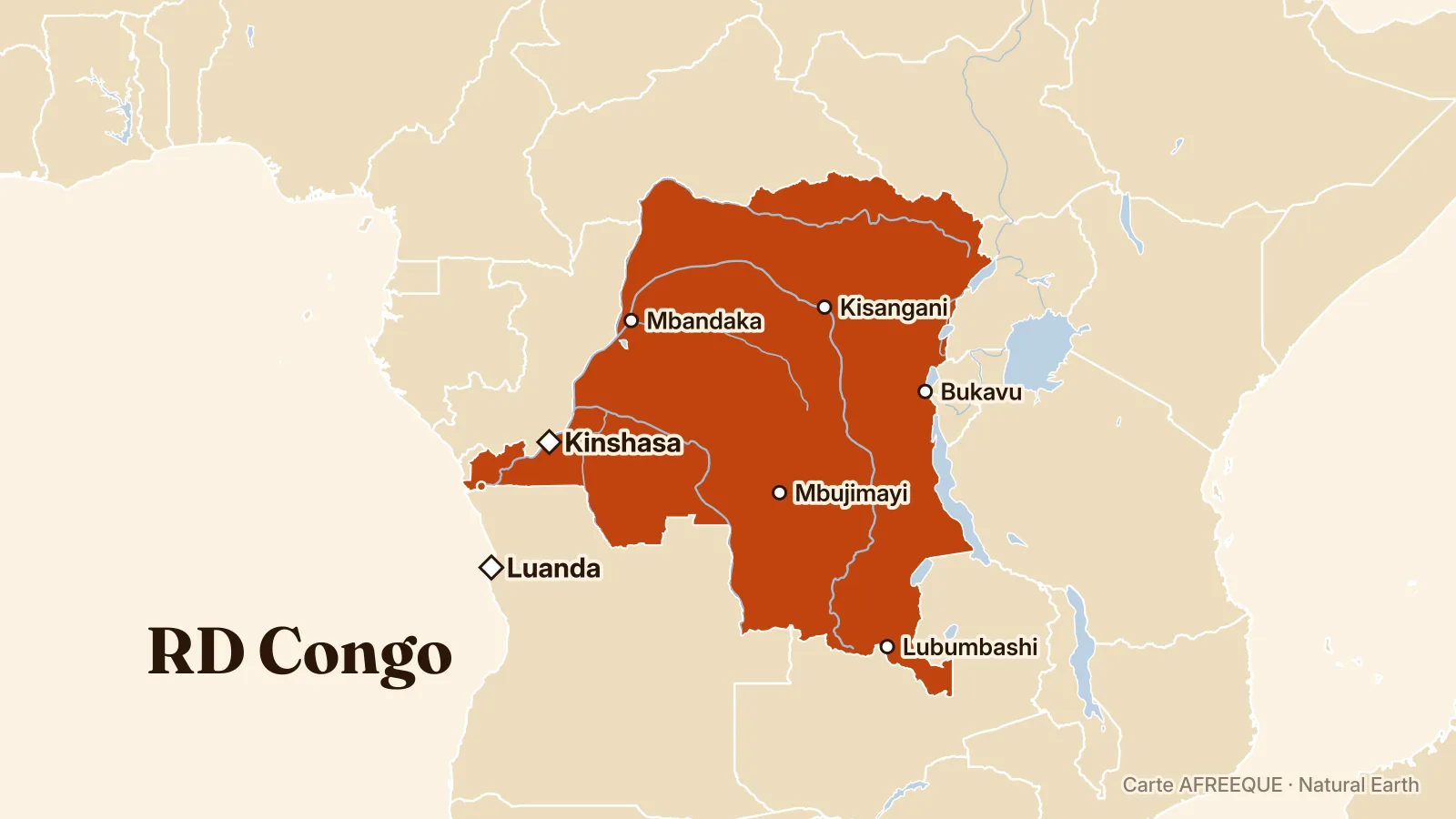
Tshopo Governor Paulin Lendongolia Lebabonga brought tools, seeds and sacks of rice to the Higher Institute of Agronomic Studies in Bengamisa, in Banalia Territory. The aid accompanied a visit to assess the institution’s infrastructure and needs ahead of its revival, reports Kis24.
The oil tanker M/T Solas 7 resumed its voyage in Djibouti after nine days of maintenance, three days sooner than planned. Work covered the hull, propeller, cooling systems and wastewater, the Djiboutian Information Agency (ADI) reports.
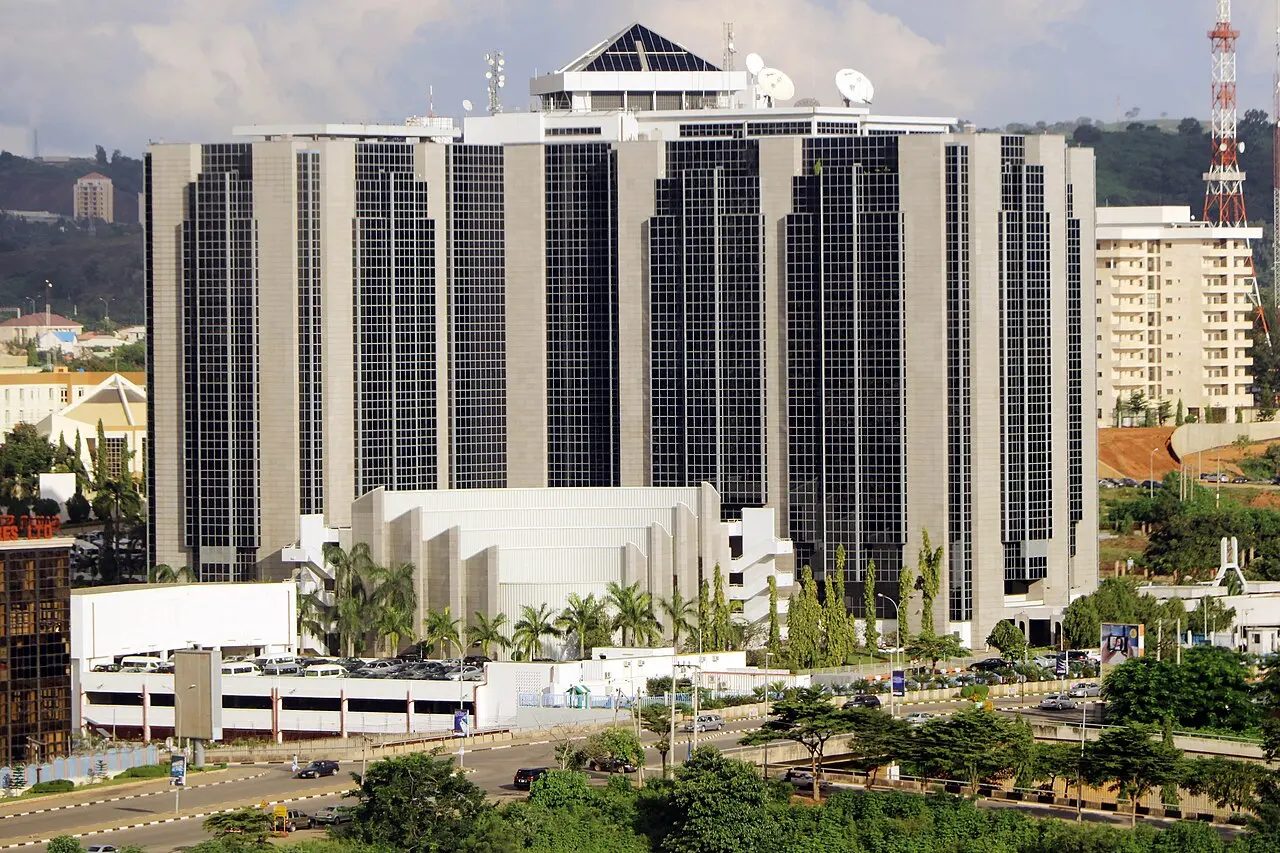
Foreign currency demand in Nigeria reached $18.34 billion in the second quarter of 2026, including $9.64 billion for financial services. This use rose by 12.84% quarter on quarter and 52.42% year on year, according to a Financial Markets Dealers Association report based on central bank data.
Nigeria plans to install 750,000 electricity meters in 2027 under the Presidential Metering Initiative. The measure is intended to reduce estimated billing, while 8.05 million of 12.75 million active customers already had a meter in August 2026, a coverage rate of 63.10%, according to the Nigerian Electricity Regulatory Commission.
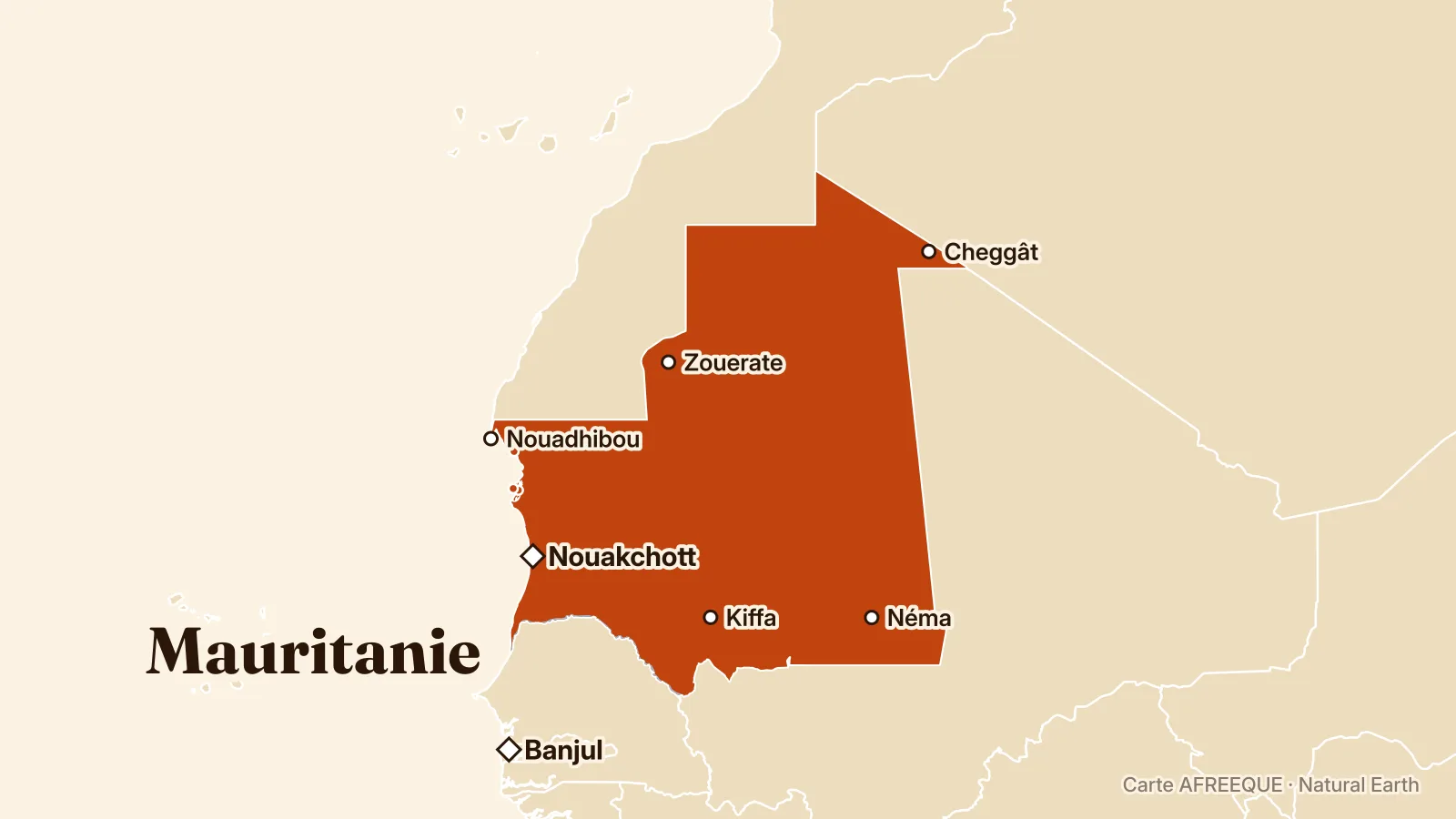
The US State Department’s 2026 report says legal, tax and administrative reforms have improved Mauritania’s investment climate, despite challenges in governance, justice and access to finance. Growth reached 4.2% in 2025 and is expected to stand at 4.8% in 2026, while the report cites the revision of the Investment Code and the law on public-private partnerships, according to Lecalame.
Chinese companies are gaining ground in electronics, artificial intelligence, humanoid robots and foldable devices. The shift reflects a move from an industry based on imitation to a role as a technology pioneer, driven by research and domestic competition, according to Alwihda Info.
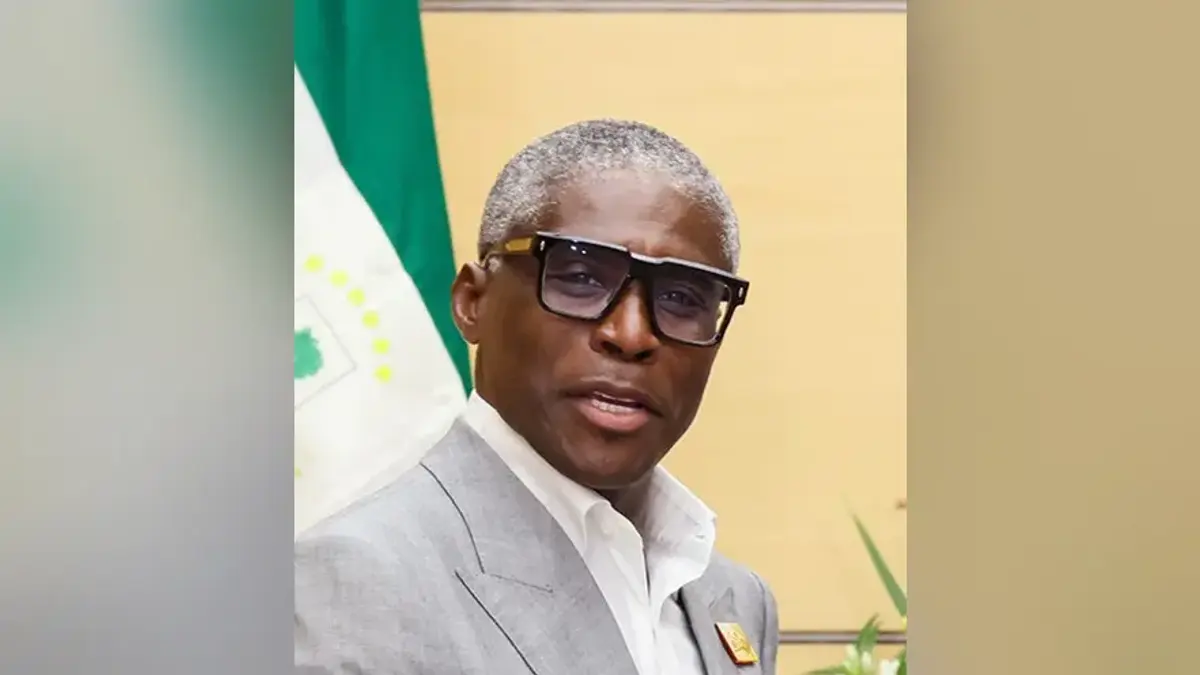
Equatorial Guinea plans to begin building a national refinery in 2027 to reduce its dependence on imports of refined products. The government also plans to invest $20 million in Gepetrol Servicios to increase its storage capacity, according to Vice-President Nguema Obiang Mangue.
Sonatel’s extraordinary general meeting has approved a 1-for-10 share split, increasing the number of shares from 100 million to one billion. The operation will take effect on 26 October, with share capital unchanged at CFA 50 billion, according to Dakaractu.
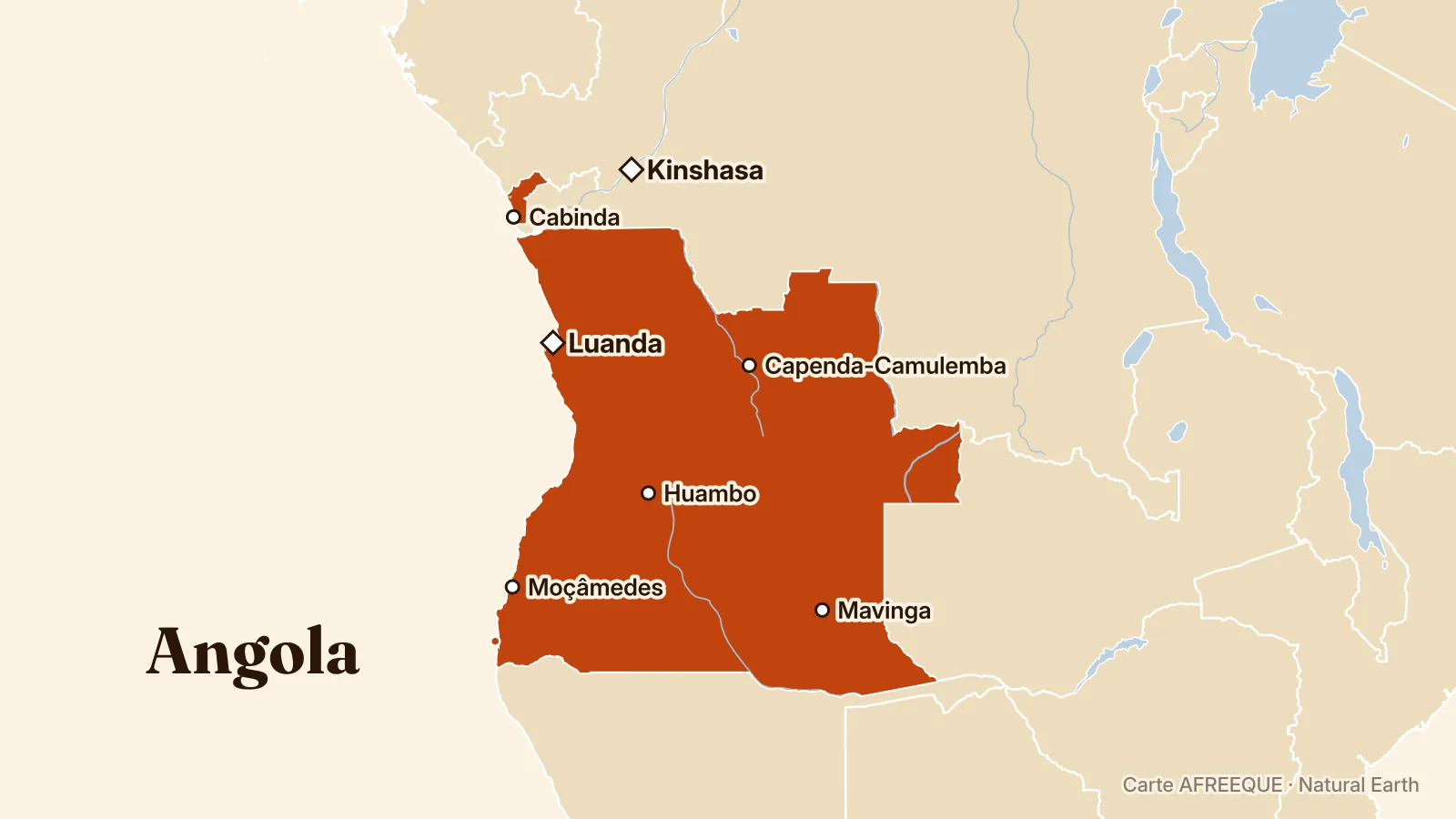
Public contracts awarded directly with presidential authorisation in Angola reached $20.2 billion in the first nine months of 2026, compared with $5.9 billion a year earlier, an increase of 240%. The ten largest contracts account for nearly half the total, according to calculations by Expansão.
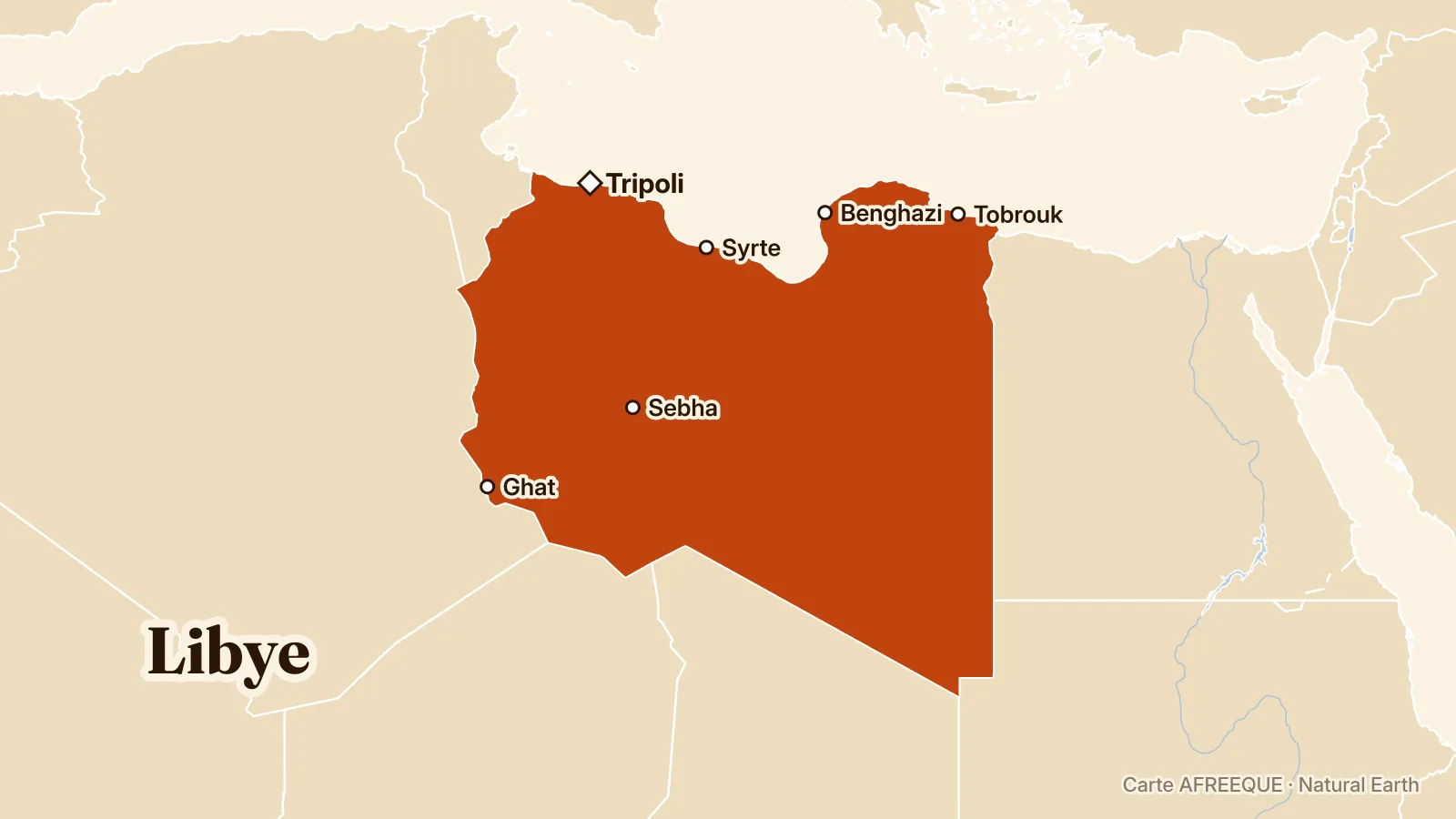
The president of Libya’s House of Representatives, Al-Salheen Abdel-Nabi, has asked the Central Bank of Libya to end any increase in the official exchange rate based on a tax that expired on 31 December 2024. He says maintaining it without a new legal basis is irregular, according to the House of Representatives’ spokesman, quoted by Libya Herald.
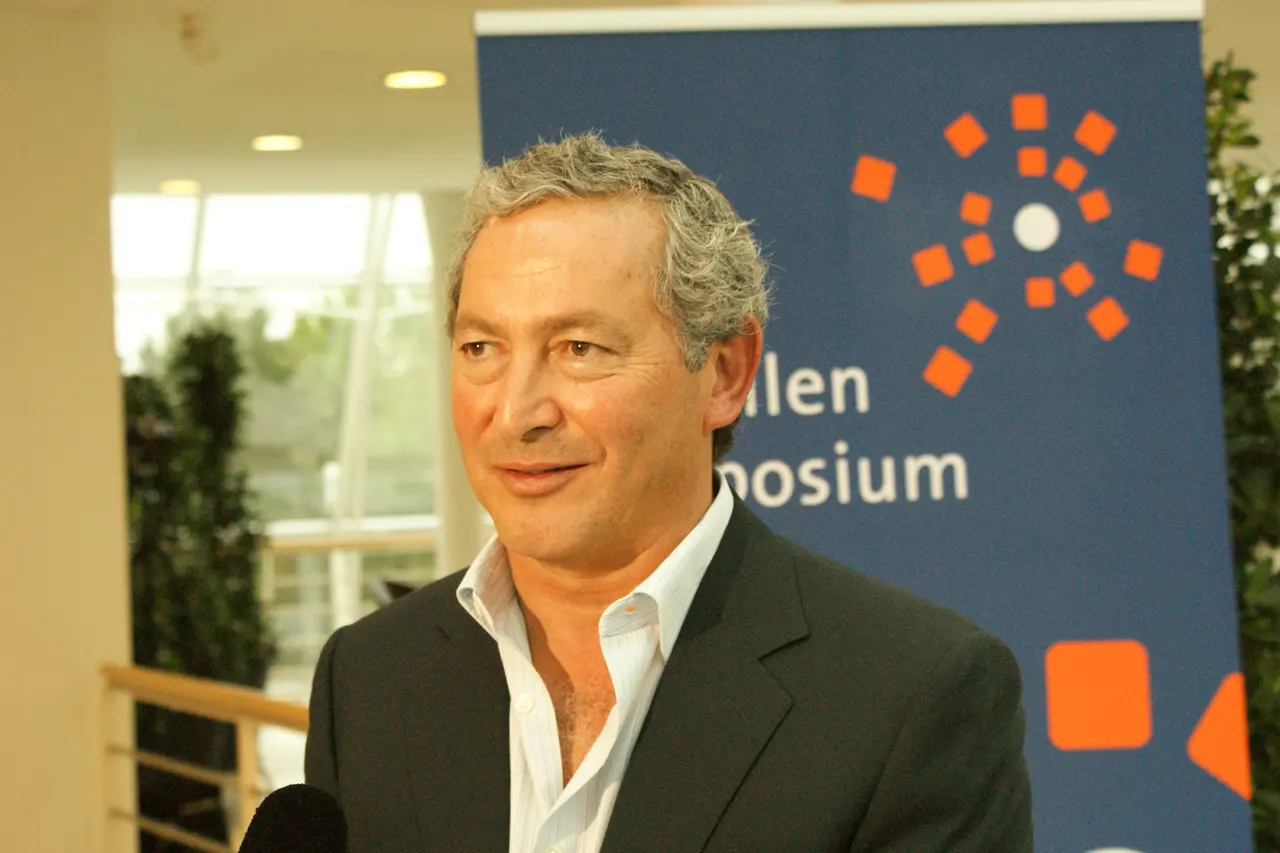
Egyptian businessman Samih Sawiris believes the country’s real estate market is going through a correction phase and that large developers will be best placed to withstand it. The founder of Orascom Development Holding shared this analysis in an interview reported by Hapijournal.
Hasna Meeke Ahmed, a farmer from the Obock region, is among 100 women recognised by the FAO for their contribution to agrifood systems and rural development. She received the recognition on 15 October in Rome at a ceremony held on the sidelines of the World Food Forum, the Djibouti Information Agency reports.
Morocco’s trade with Europe reached 773.1 billion dirhams in 2025, or 59.8% of its foreign trade, according to the Office des Changes. Asia’s share nevertheless rose from 20.1% to 21.9%, driven in particular by a 25.1% increase in trade with China.
Libyan exporters are asking the Minister of Economy and Trade to review Decree 493 of 2026, which broadly bans exports. They warn of its consequences for productive, agricultural and agri-food sectors, as well as contracts concluded in foreign markets, according to Libya Herald.
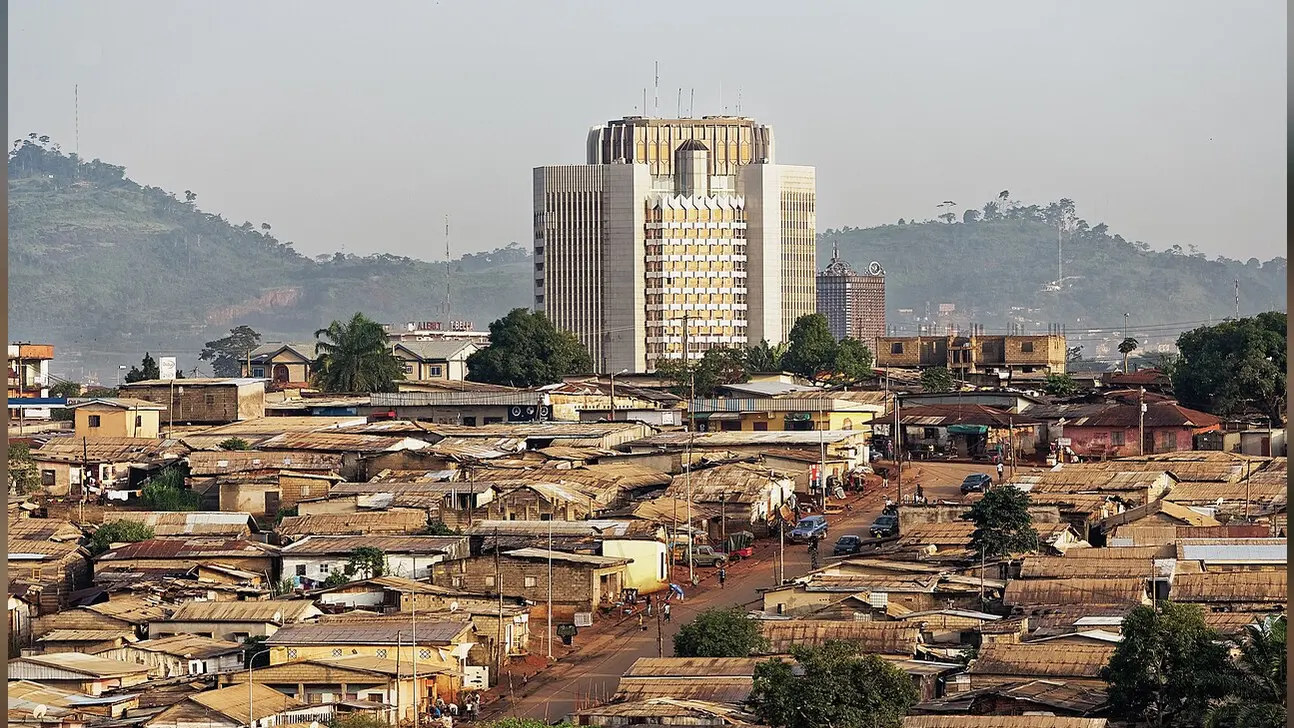
The Development Bank of the Central African States completed its first international bond issue, worth $222 million, on 13 October 2026. The operation marks a new stage in the institution's funding strategy, reports Tchadinfos.
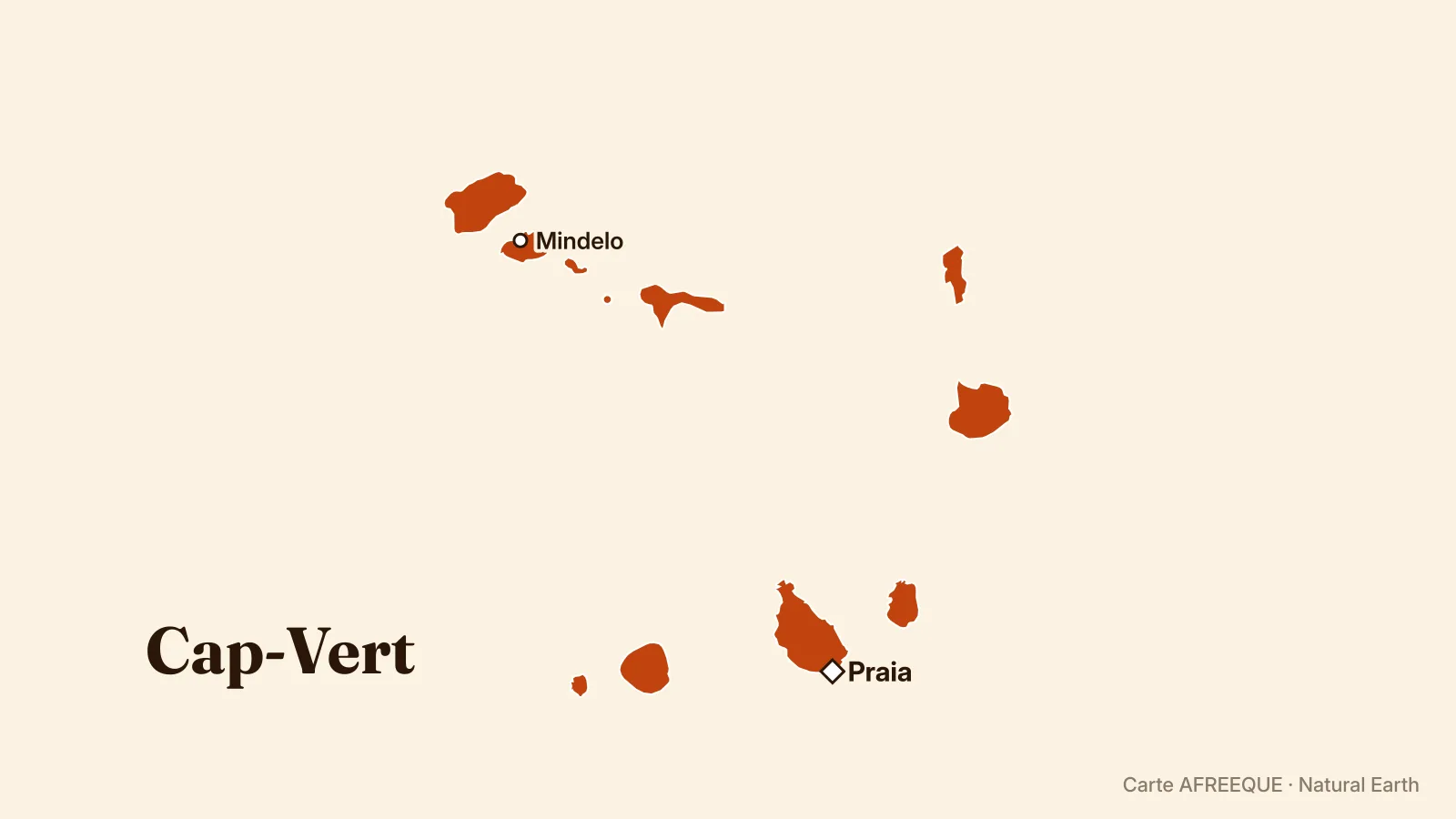
Jorge Maurício, president of the Barlavento Chamber of Commerce, is calling on Cape Verdean authorities to provide greater support for aquaculture, presented as a means of diversifying the economy, reducing imports and creating jobs. He made the call at the opening of an international conference in São Vicente, on the sidelines of Expomar, according to Expresso das Ilhas.
Senegal’s 2026 Food Insecurity Response Programme is mobilising 2,322,014,700 CFA francs to help 17,200 vulnerable households in five departments. Each household will receive a one-off transfer of 135,000 CFA francs during the lean season, with support from the World Bank, according to Dakaractu.