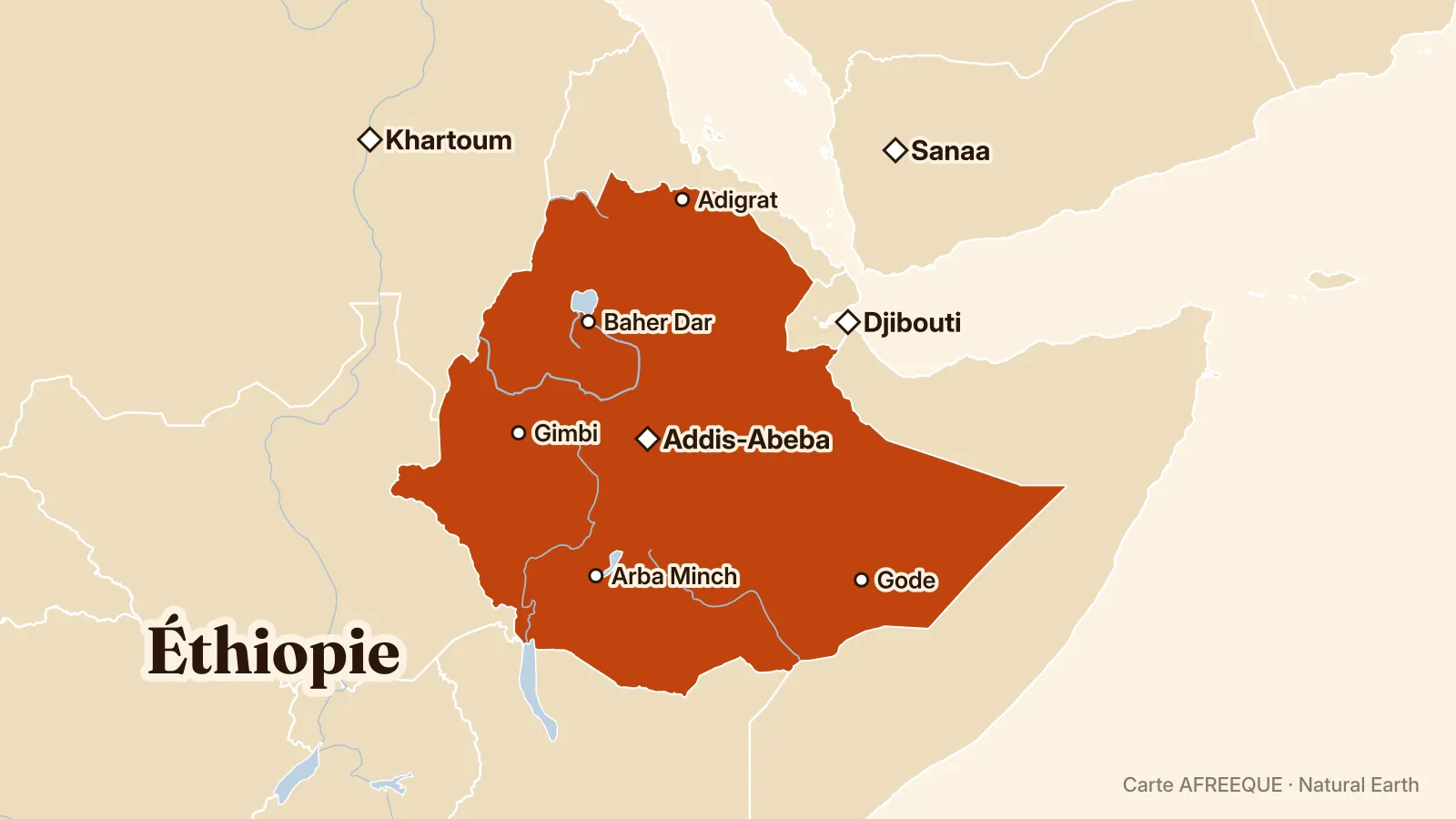
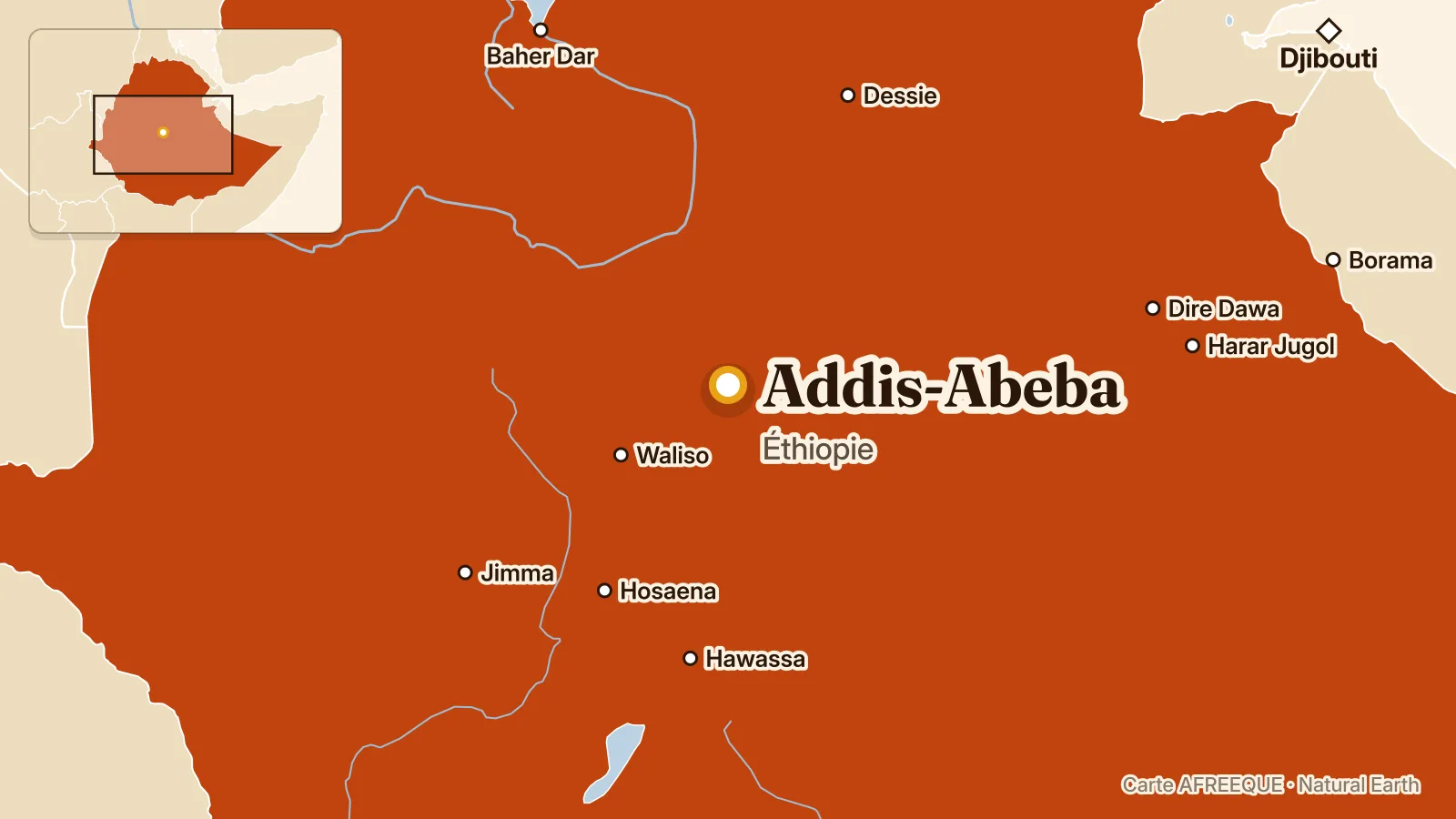
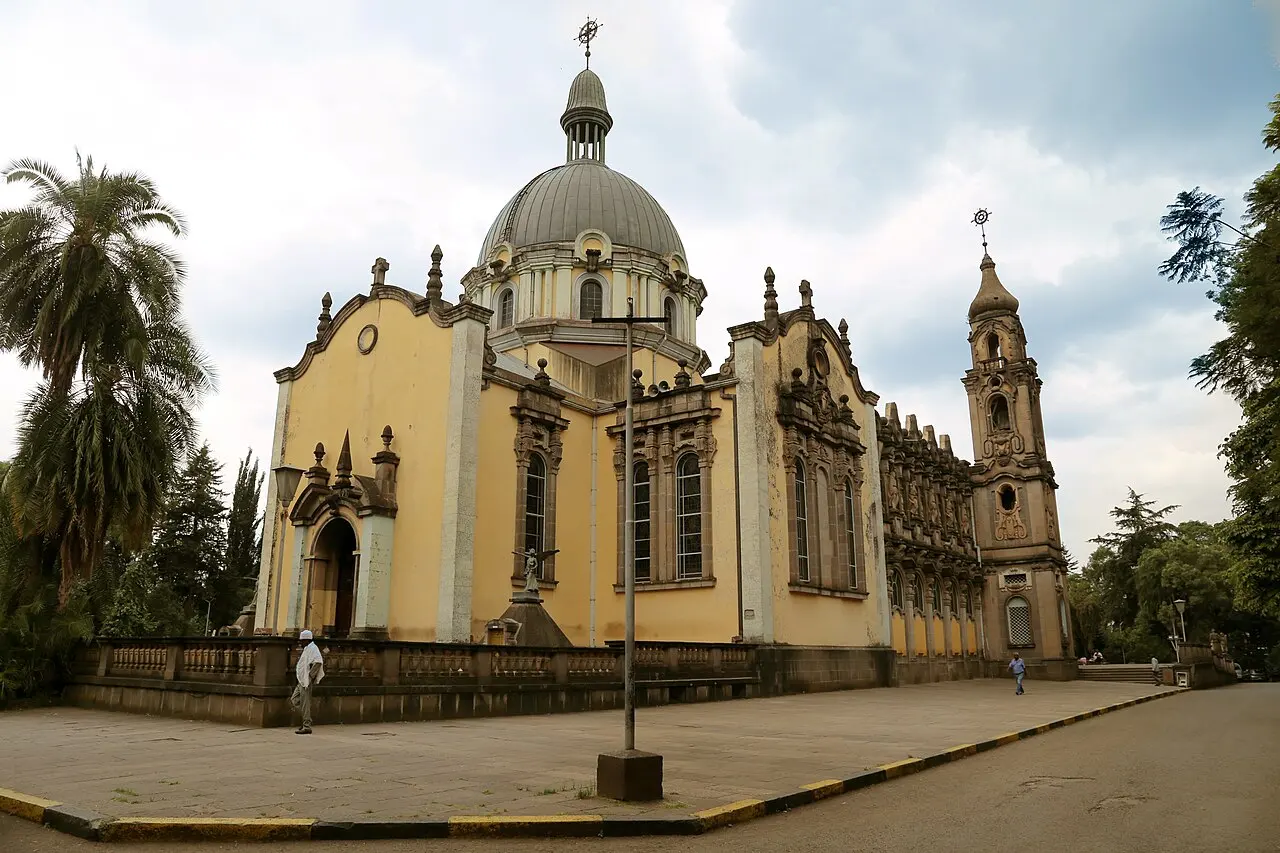
At COP31 in Antalya, Turkey, Ethiopia is seeking to strengthen international confidence in its climate commitments and attract investment before hosting COP32 in Addis Ababa in 2027. Ethiopia's pavilion offers around 60 programmes, according to Finance Minister Fitsum Assefa, reported by Fanamc.
The president of the Democratic Front of Guinea (FRONDEG), Abdoulaye Yéro Baldé, took part from 5 to 7 November 2026 in the second edition of the African Political Parties Summit, held in Addis-Ababa, Ethiopia, focusing on governance and the continent's economic transformation. He spoke at the second plenary session, devoted to productive economic activity, industrialisation and employment, according to Visionguinee.
Ethiopia’s Green Legacy Initiative has planted more than 56 billion seedlings since 2019, while forest cover rose from 17.2% to 23.6% between 2019 and 2023. The programme also supports African environmental cooperation and renewable energy development, reports Fanamc.
Ethiopia becomes Africa's fifth-largest economy after a rebasing of its national accounts, with nominal GDP of $210.7 billion for the 2025/26 fiscal year, ahead of Morocco and Kenya. Finance Minister Fitsum Assefa announced on 4 November 2026 a 59.2% revaluation of the 2024/25 economy, according to the Zambian Observer.
Ethiopia’s central bank keeps its policy rate unchanged as Treasury bills trade well below it, amid liquidity fuelled by gold. Bankers, however, dispute the excess-liquidity explanation, Addis Fortune reported on 8 November 2026.
Ethiopian commercial banks may serve as custodians for foreign portfolio investors without creating separate subsidiaries. Capital market regulators describe the measure as a temporary exemption from a directive by the National Bank of Ethiopia, according to Addis Fortune.
Ethiopia is reallocating up to $543 million from projects already funded by the World Bank to cushion the rise in fuel and essential goods prices, according to Addis Fortune. The shift comes as the Bretton Woods institution considers emergency aid for 30 to 40 countries hit by an energy surge linked to tensions in the Middle East.
Ethiopian Deputy Prime Minister Temesgen Truneh presented the country's Islamic heritage as a national asset to be preserved and developed for development, tourism and social cohesion. He was speaking at the close of the first regular assembly of the year of the Ethiopian Islamic Affairs Supreme Council, recalling the role of the Kingdom of Aksum in the first Hijra, according to Fanamc.
African political parties adopted the Addis Ababa Declaration, which calls for stronger public institutions, industrialisation and economic integration across the continent. The text adopted on 7 November also sets long-term national priorities for parties with measurable objectives and an accountability requirement, according to the summit.
Adem Farah, vice-president of Ethiopia’s Prosperity Party, calls on African parties to turn the commitments of the Addis Ababa Declaration into concrete action. He announces a monitoring and reporting mechanism to assess progress before the next African political parties summit, according to Fanamc.
Ethiopia’s Prosperity Party and the Zimbabwe African National Union – Patriotic Front sign an agreement to strengthen relations and institutional cooperation. The agreement provides for exchanges of experience on governance, leadership training and national development, according to Fanamc.
Ethiopia’s Prosperity Party was unanimously chosen to lead the African Political Parties Initiative, while Bikila Hurissa becomes its executive secretary. The appointments are intended to strengthen the institutional capacity of political parties and implement decisions from the second African Political Parties Summit, according to the party.
Ethiopian minister Bikila Hurisa believes the Medemer philosophy can help African countries combine their resources and capabilities to increase their collective prosperity. He defended the approach at the second African Political Parties Summit in Addis Ababa, according to his statements to the media.
Ethiopia has raised the measured size of its economy by 59.21%, putting nominal GDP for 2024/25 at 24.03 trillion birrs, or $201.4 billion. The revision affects debt and tax revenue indicators in particular, according to a November report by Ethiopia’s Ministry of National Strategy.
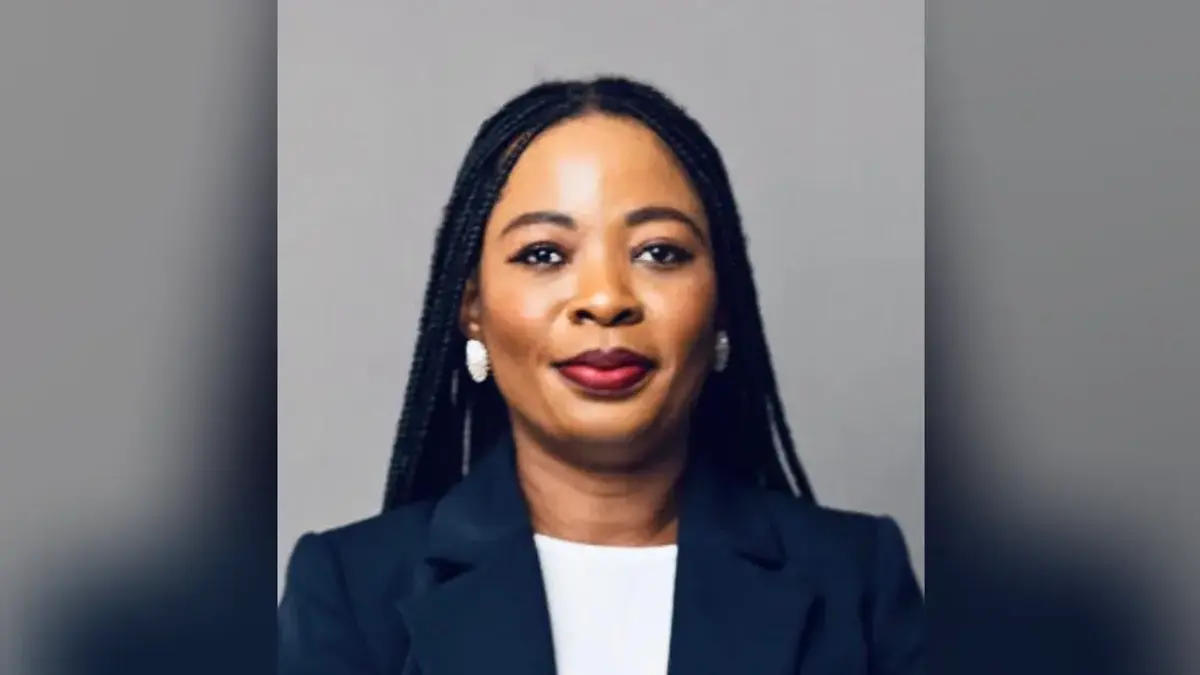
Benedicta Lasi, chair of the Africa Governance Centre, calls on African political parties to strengthen their skills and institutional capacities before taking power. She says this preparation is essential to ensure continuity of economic policies beyond electoral cycles, in Addis Ababa.
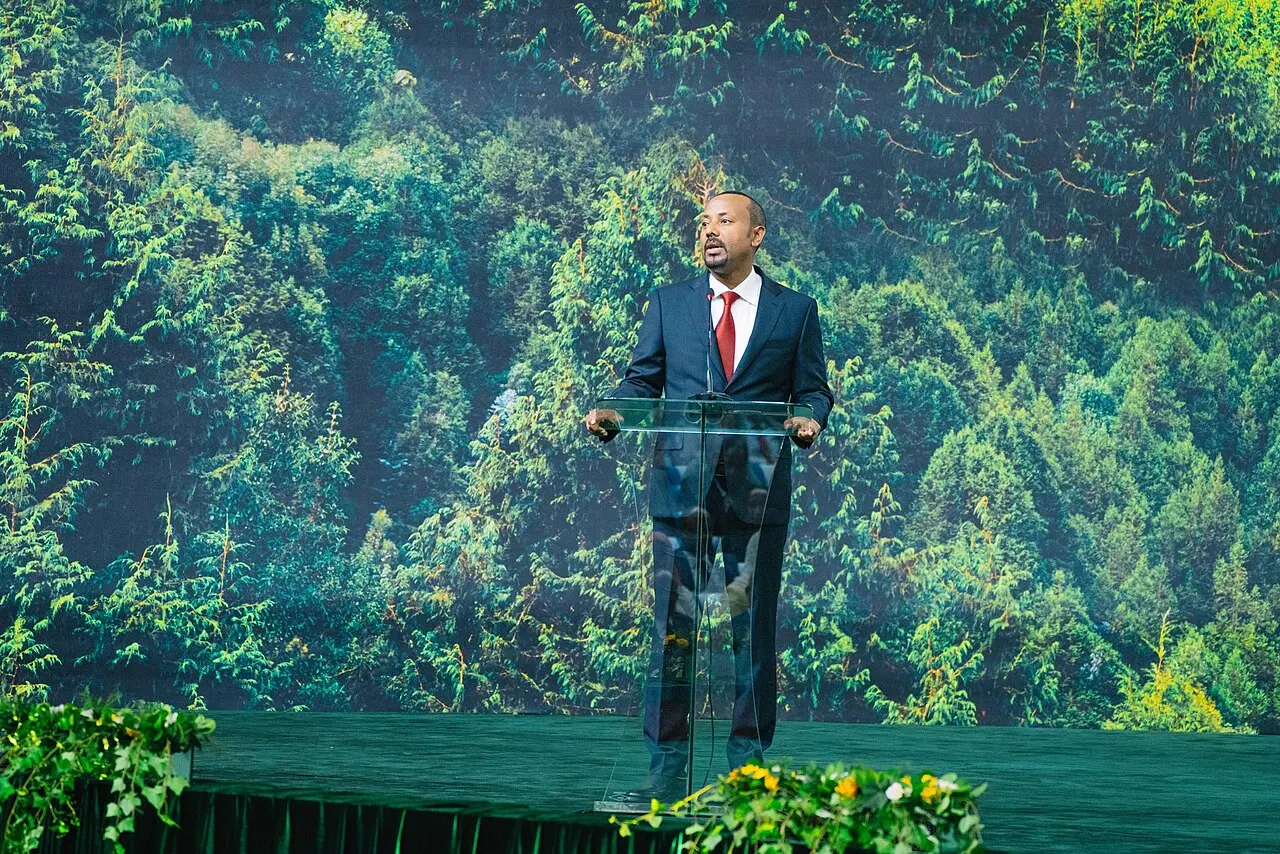
African Union Commission Chairperson Mahmoud Ali Youssouf praised Ethiopian Prime Minister Abiy Ahmed’s political leadership and his vision for transforming the country. The statement was made on 6 November 2026 in Addis Ababa, during the Second African Summit of Political Parties, according to Ethiopian agency Fanamc.
At least 34 Ethiopian Orthodox Christians were killed on Thursday 5 November 2026 by armed men in Endato village, Robe district, Oromia, bringing the death toll to at least 94 in less than three weeks. The Ethiopian Human Rights Commission attributed previous attacks to the Oromo Liberation Army, according to Meseret Media.
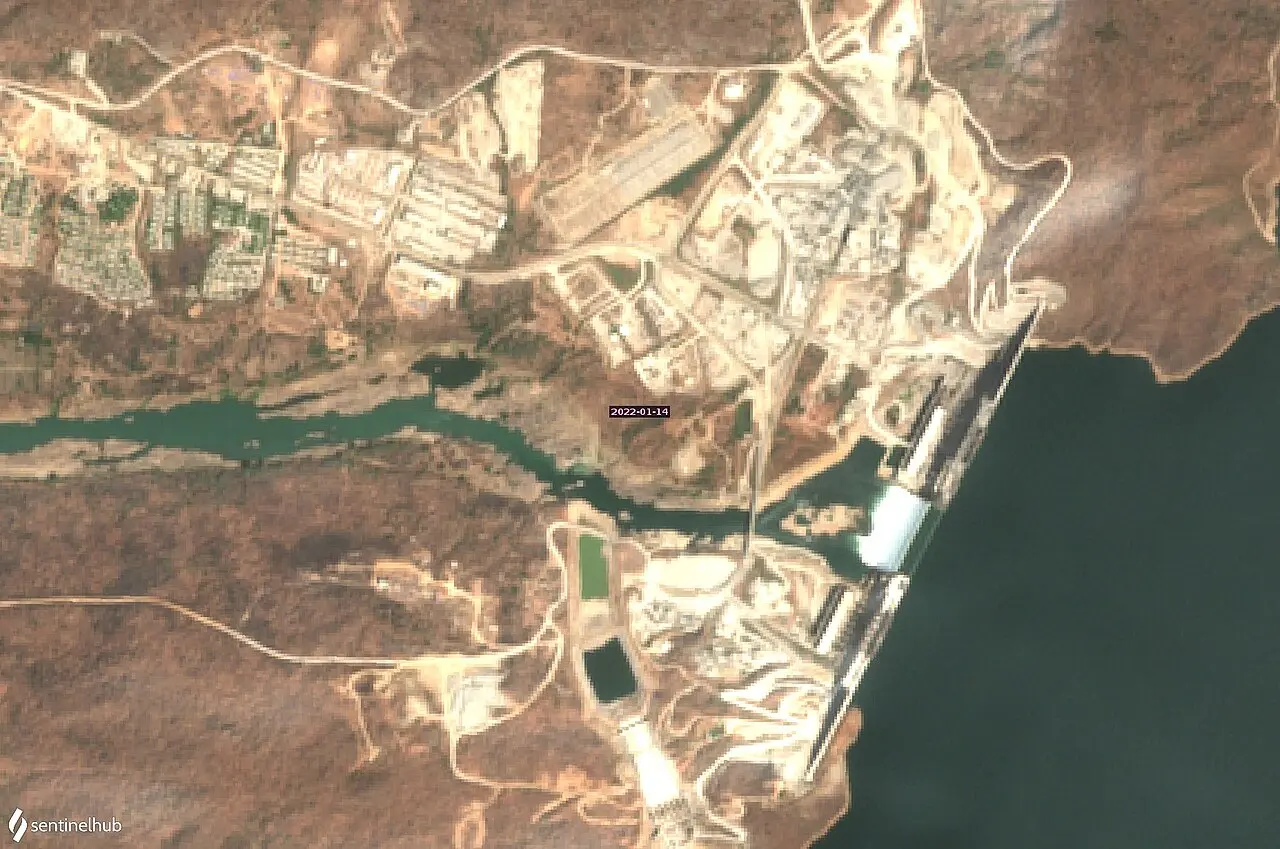
Ethiopian Water Minister Habtamu Itefa accused Egyptian officials of favouring protests over technical arguments on Ethiopian dams. Addis Ababa plans to present evidence at the UN water conference in Abu Dhabi that its projects can benefit neighbouring countries, according to Fana Media Corporation.