Health news from Africa summarised in English: epidemics, public health, hospitals, accidents and natural disasters, from the local press. 185 articles published.
✓Updated around the clock from 400+ African and international news outlets in 54 countries. Every article names its source. Our method
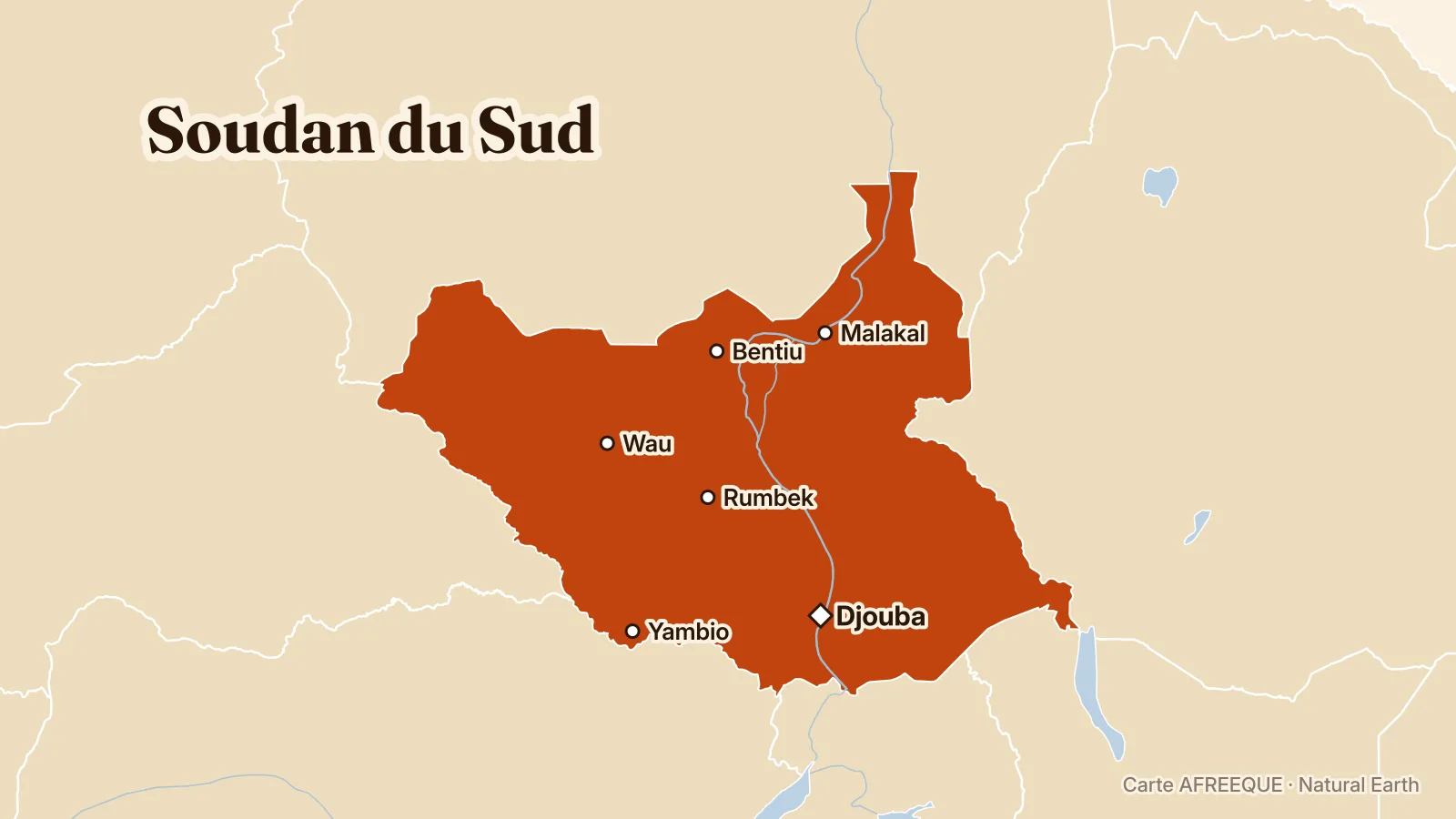
The caretaker governor of Lakes State, Rin Tueny Mabor, fears a food shortage after insufficient rain for crops. He urges residents to build up supplies and facilitate travel to areas with food, reports South Sudanese radio station Eye Radio.
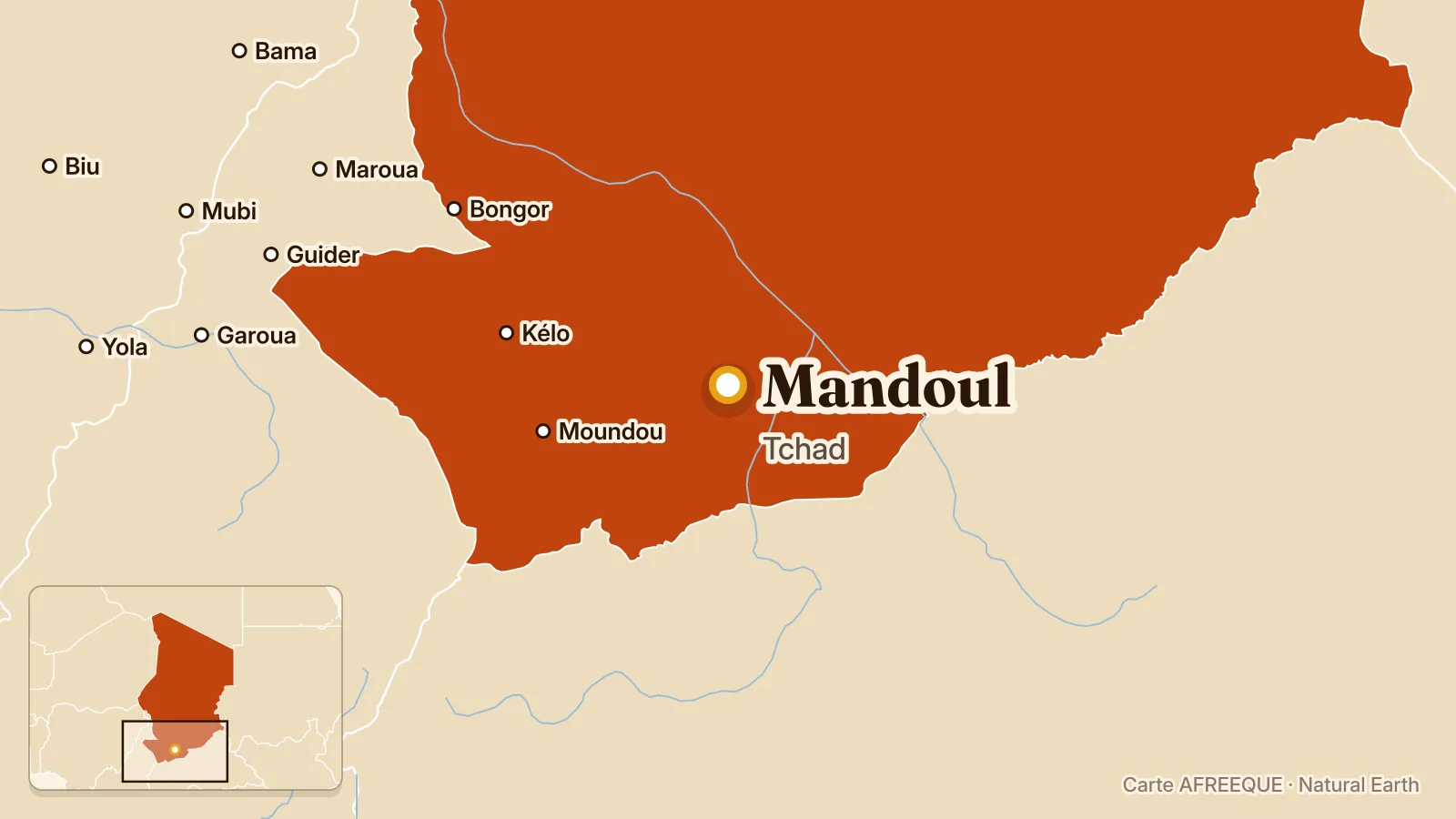
Chad’s Health Minister brought together authorities and community representatives in Koumra to prevent the return of Guinea worm to Mandoul province, which maintains zero cases. The meeting focused on surveillance and awareness-raising, with support from the Carter Centre, according to Tchadinfos.
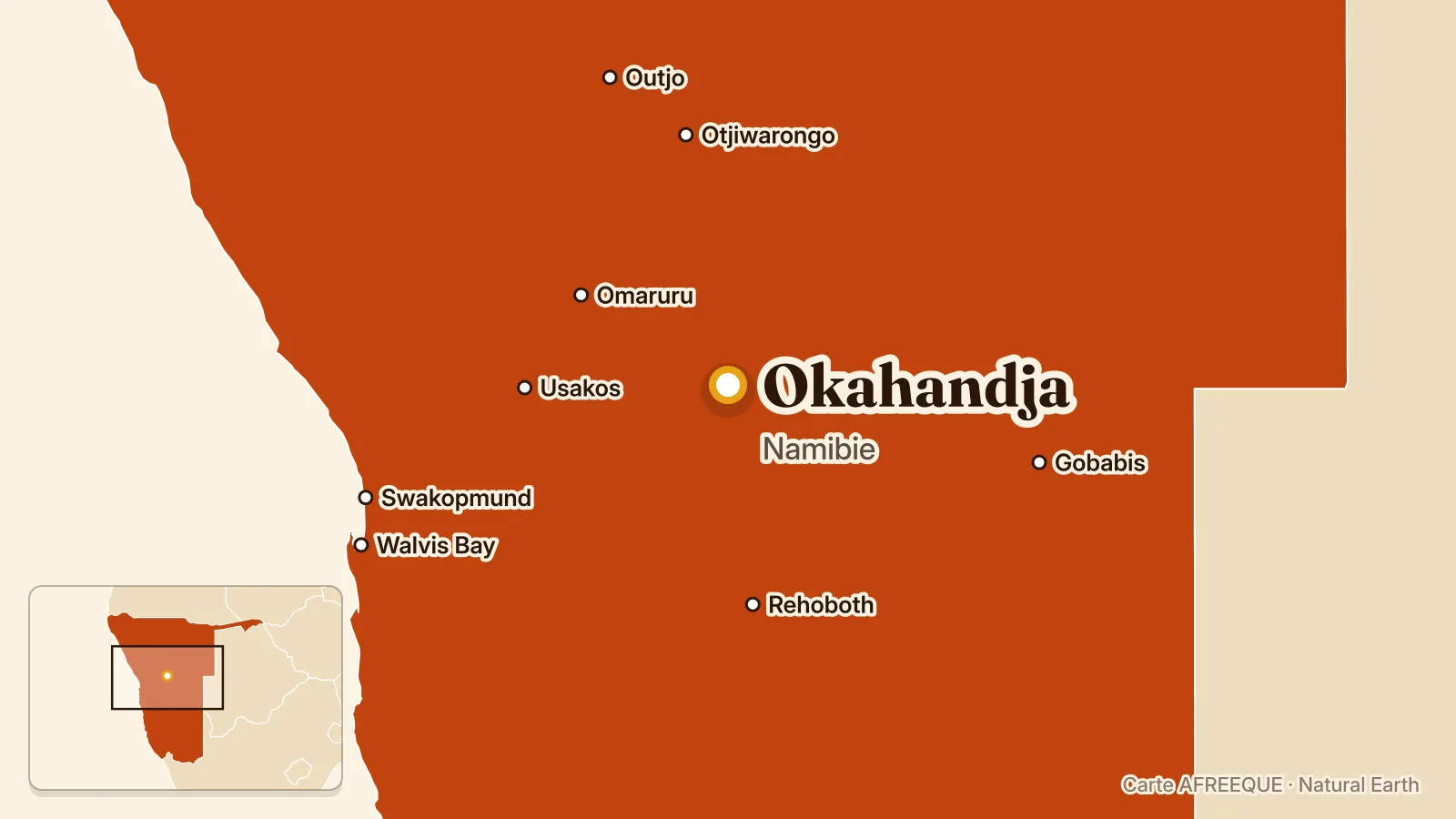
Namibian company NamWater says tap water in Okahandja remains safe to drink despite an unusual taste and smell. It attributes these seasonal changes to natural variations at Von Bach Dam and is stepping up treatment and quality monitoring, according to a statement cited by The Namibian.
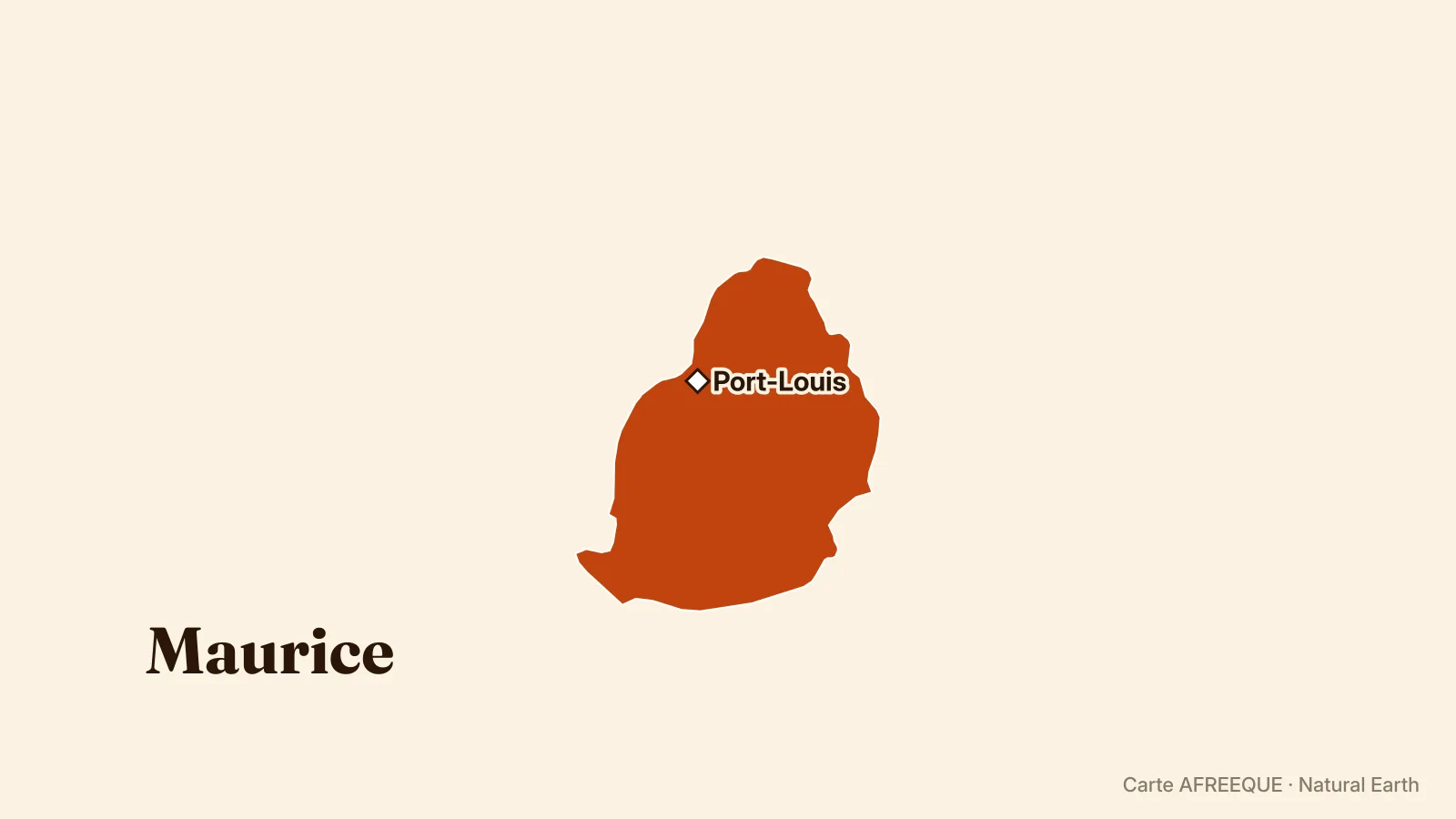
Mauritius’s Independent Police Complaints Commission has taken statements from the driver and a passenger in the minibus where Élodie Thomas was shot and injured in Camp-Levieux on 9 October. Sergeant Gowtamsingh Taukoor, known as Deepak, now faces two provisional charges after a charge of possessing a firearm with intent to endanger life was dropped, Defimedia reports.
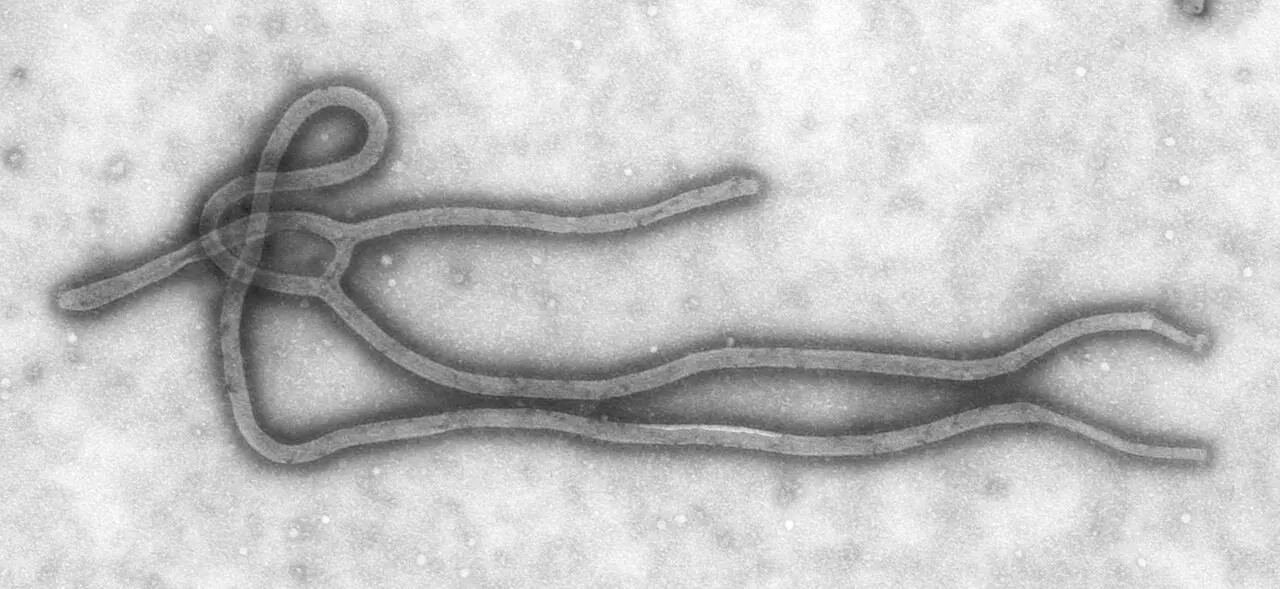
Voluntary vaccination against Ebola, caused by the Bundibugyo strain, has begun in Beni to protect healthcare workers and frontline responders. The programme also covers surveillance, laboratory and safe-burial teams, alongside screening and care, according to coordinator Steven Ahuka.
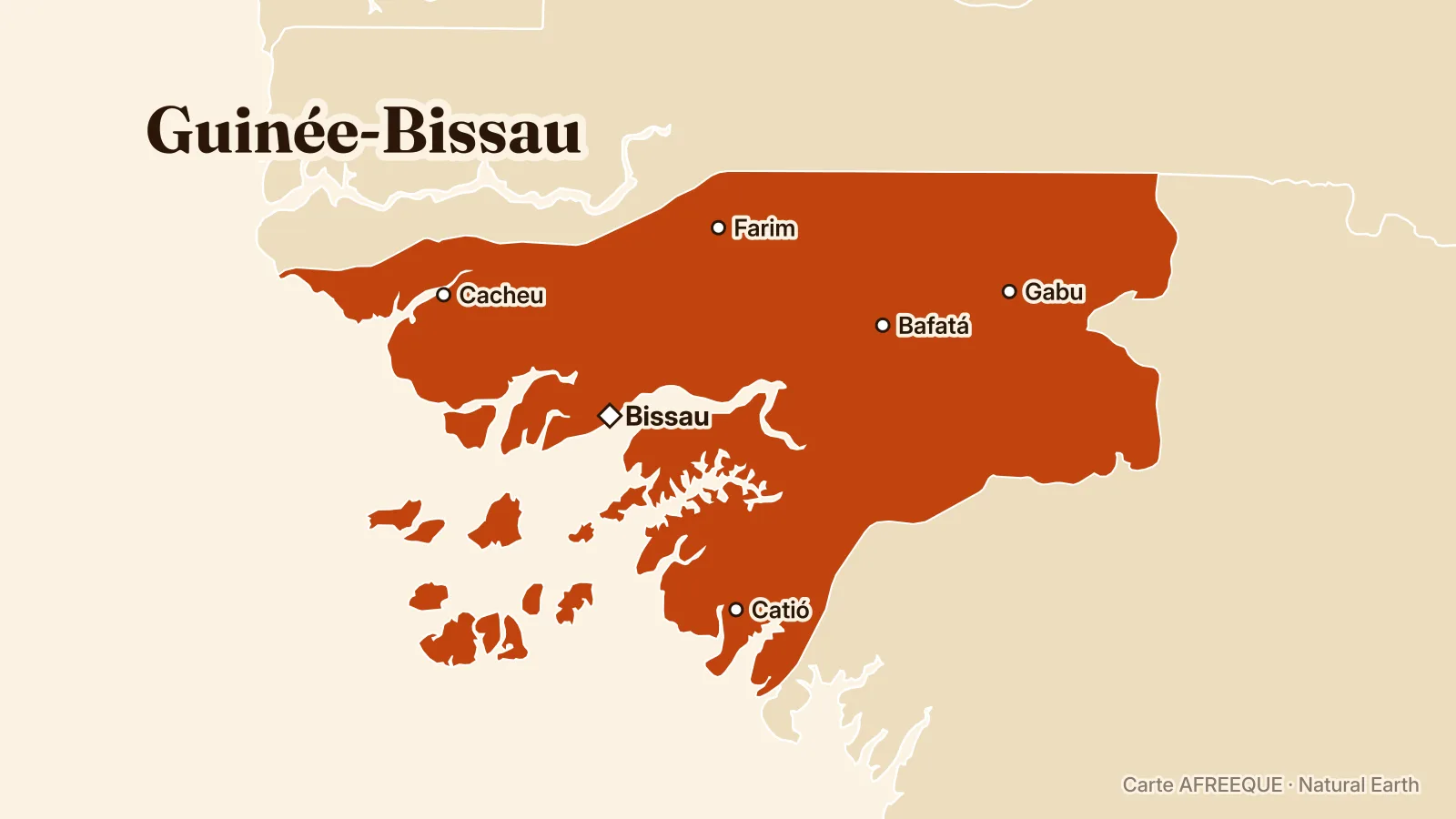
Guinea-Bissau’s Council of Ministers confirms its rejection of a study on hepatitis B vaccination in newborns, under the protocol for the Bandim Health project. The decision was taken at an extraordinary meeting in Bissau after rumours circulating on social media were examined, according to the official statement.
A heatwave will persist this weekend in KwaZulu-Natal, the Eastern Cape and Mpumalanga, with very high temperatures in several South African regions. The South African Weather Service is also forecasting isolated showers and an increased fire risk in the country’s interior, IOL reports.
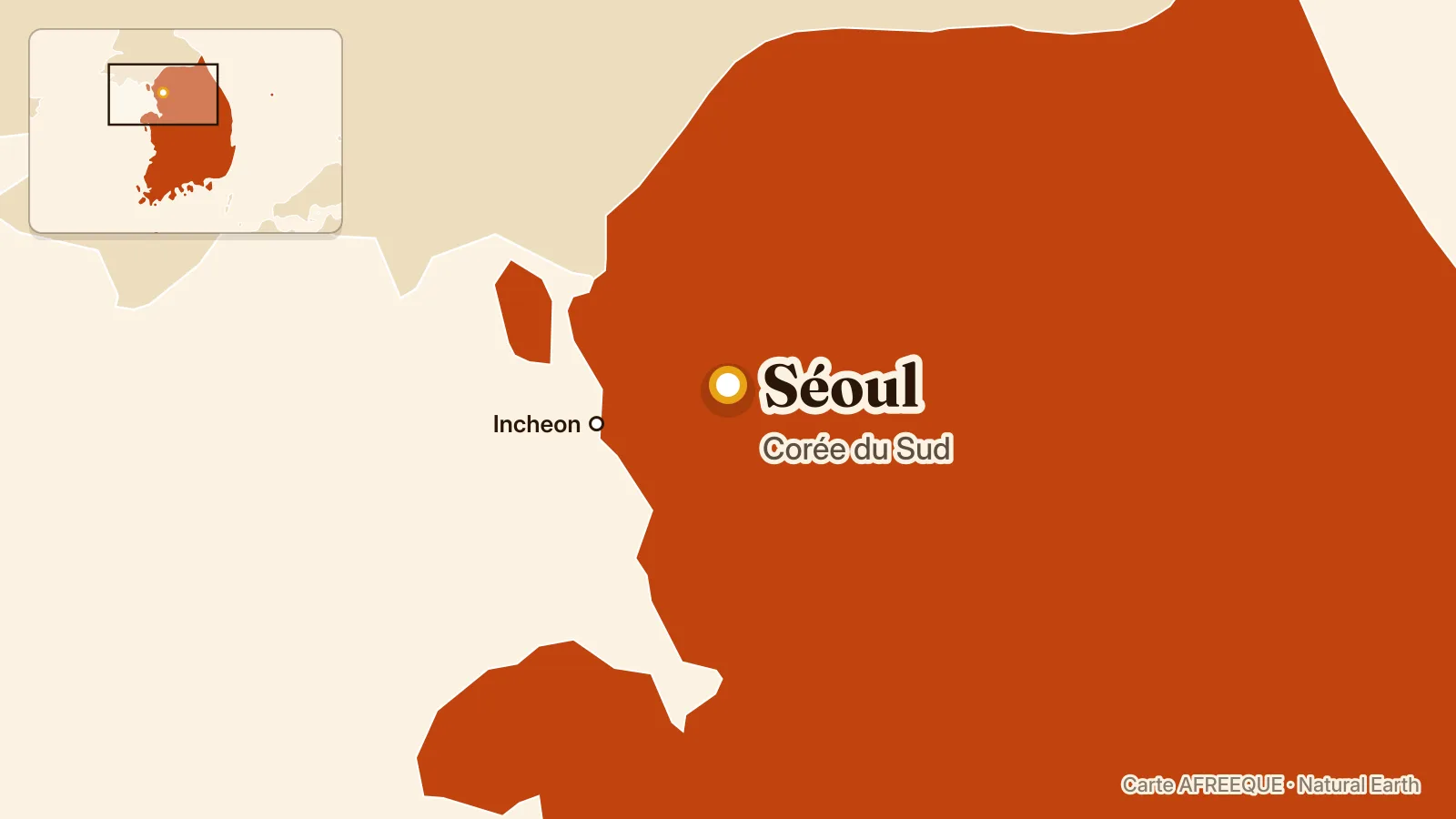
Thousands of French women are travelling to Seoul for stays dedicated to dermatological care and Korean cosmetics, or K-beauty. The offering combines ancient rituals and recent techniques, and contributes to South Korea’s cultural influence, according to Le Monde.
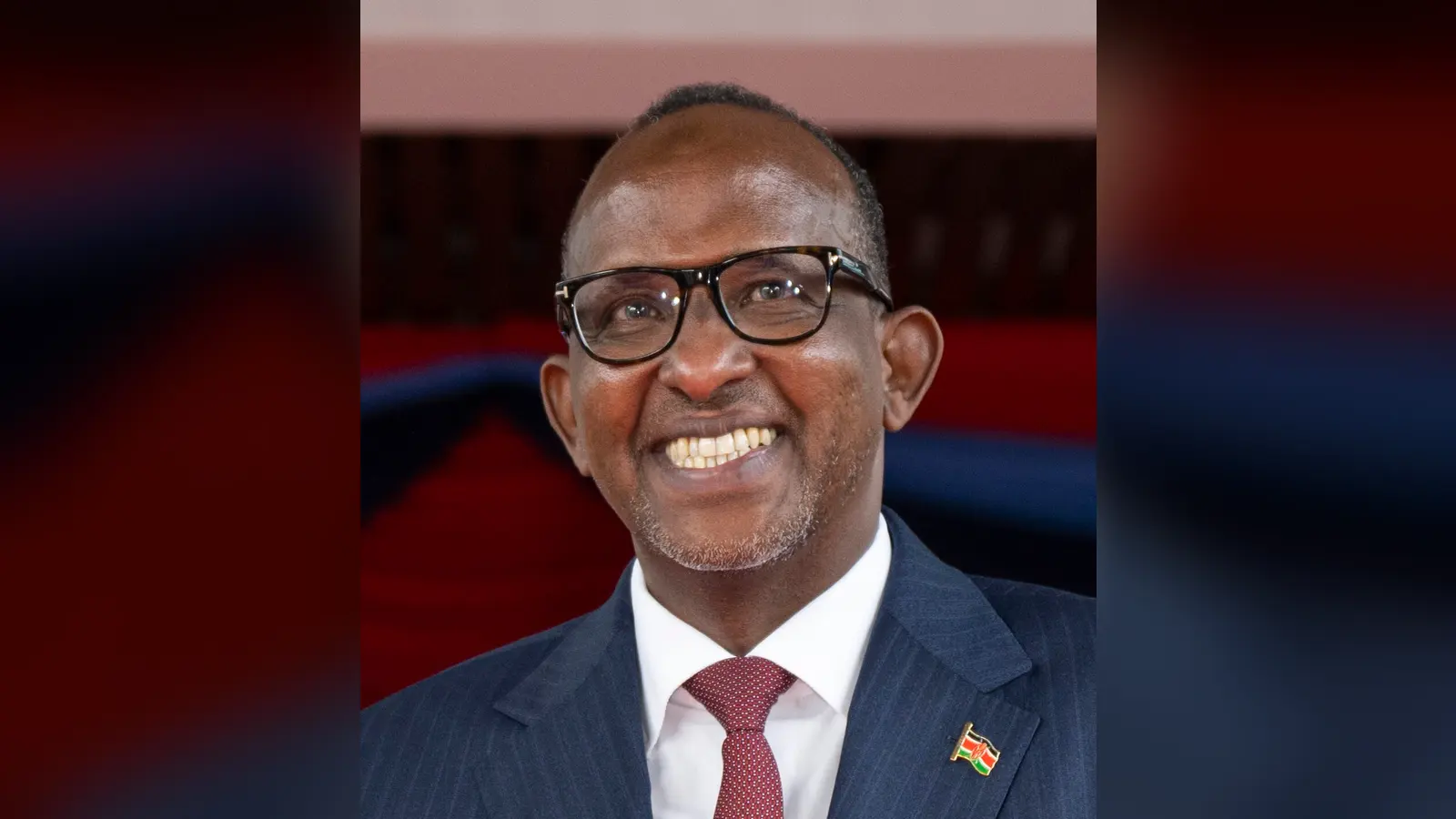
Kenyan Health Minister Aden Duale says no restrictions apply to travel, trade or gatherings after the country’s third Ebola case was confirmed. The ministry says 127 of the 130 identified contacts have been located, or 97.7%, according to its 16 October 2026 statement.
Ghanaian professor John H. Amuasi called at the 2026 World Health Summit for governments to tackle the environmental, social and economic causes of disease, rather than prioritising treatment after diseases emerge. This upstream prevention approach aims to reduce health risks and strengthen health system resilience, according to his remarks in Berlin.
Kenya’s Ministry of Health has confirmed a third Ebola infection, in a 65-year-old woman related to the first two cases. The patient had been in quarantine since 6 October, according to the official announcement reported by Africanews.
Thirty people, including 17 women and five children, were killed and more than 40 injured in the bombing of a livestock market in Nyala, Sudan, according to the Rapid Support Forces and the Tasis alliance. The groups accuse the Sudanese army and Egypt, while local sources attribute the strike to the army, Sudan Tribune reports.
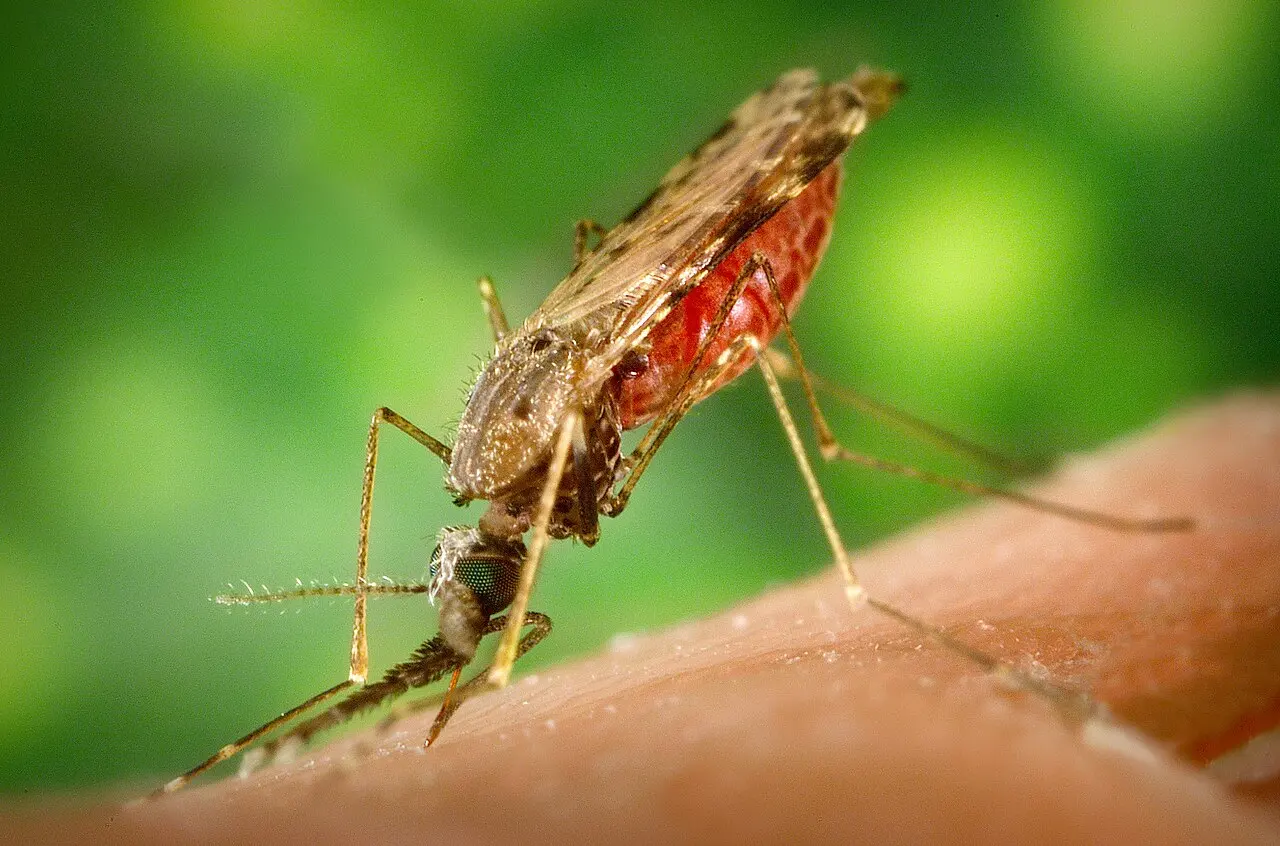
The fourth and final phase of Burkina Faso’s seasonal malaria chemoprevention campaign is targeting around 5.5 million children. During a visit to Laye, the secretary-general of the Ministry of Health, Joël Arthur Kiendrébéogo, said the operation mainly concerns children aged 3 to 59 months and extends to 5- to 9-year-olds in the Nazinon region, according to Burkina 24.
Angolan group Omatapalo organised a breast cancer screening campaign for its female employees in Benguela on 13 and 14 October. The initiative, held as part of Pink October, aims to promote prevention, regular examinations and early diagnosis, reports Mercado.
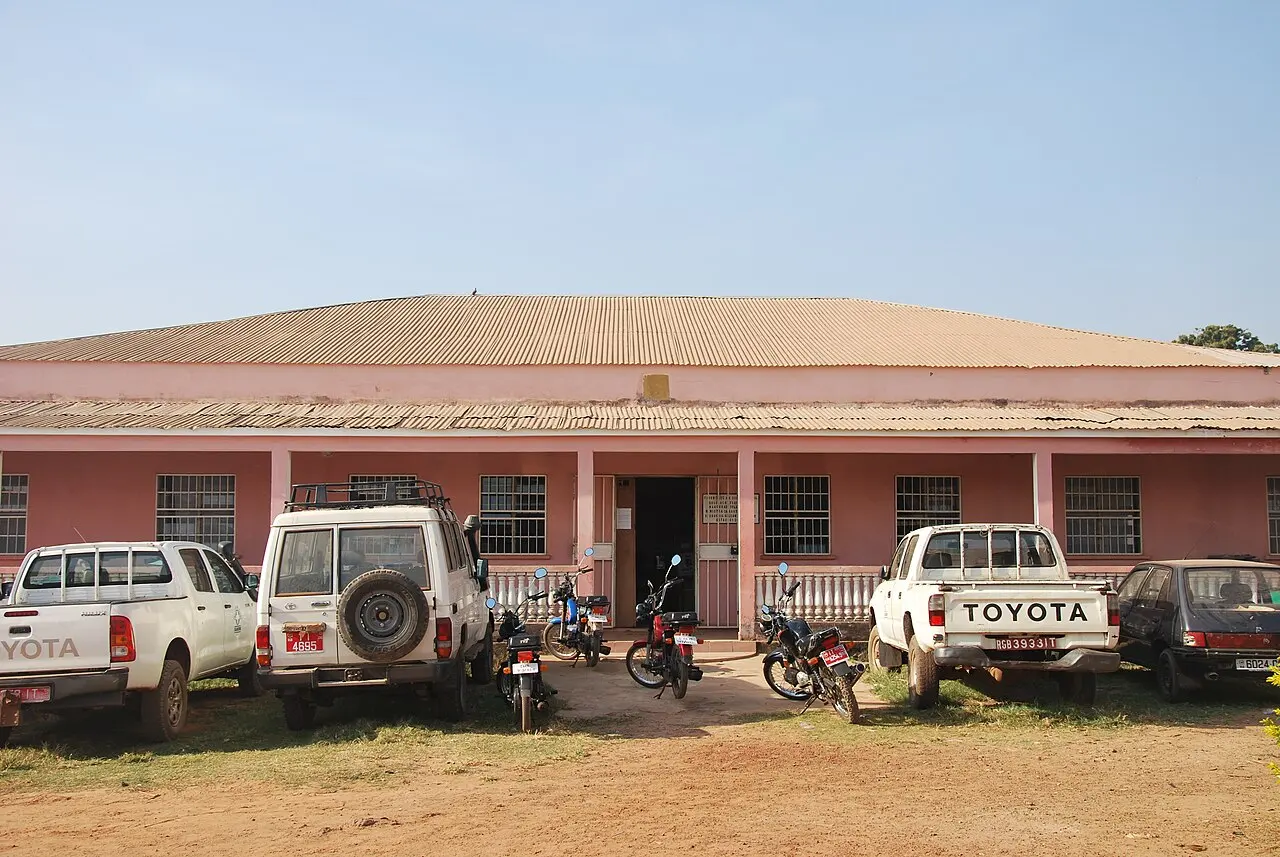
China handed medicines and medical equipment to the Guinea-Bissau government at a ceremony at the Amitié sino-guinéenne Main Military Hospital in Bissau. Public Health Minister Quinhin Nantote described the health system’s needs and asked officials to preserve the donations, according to O Democrata.
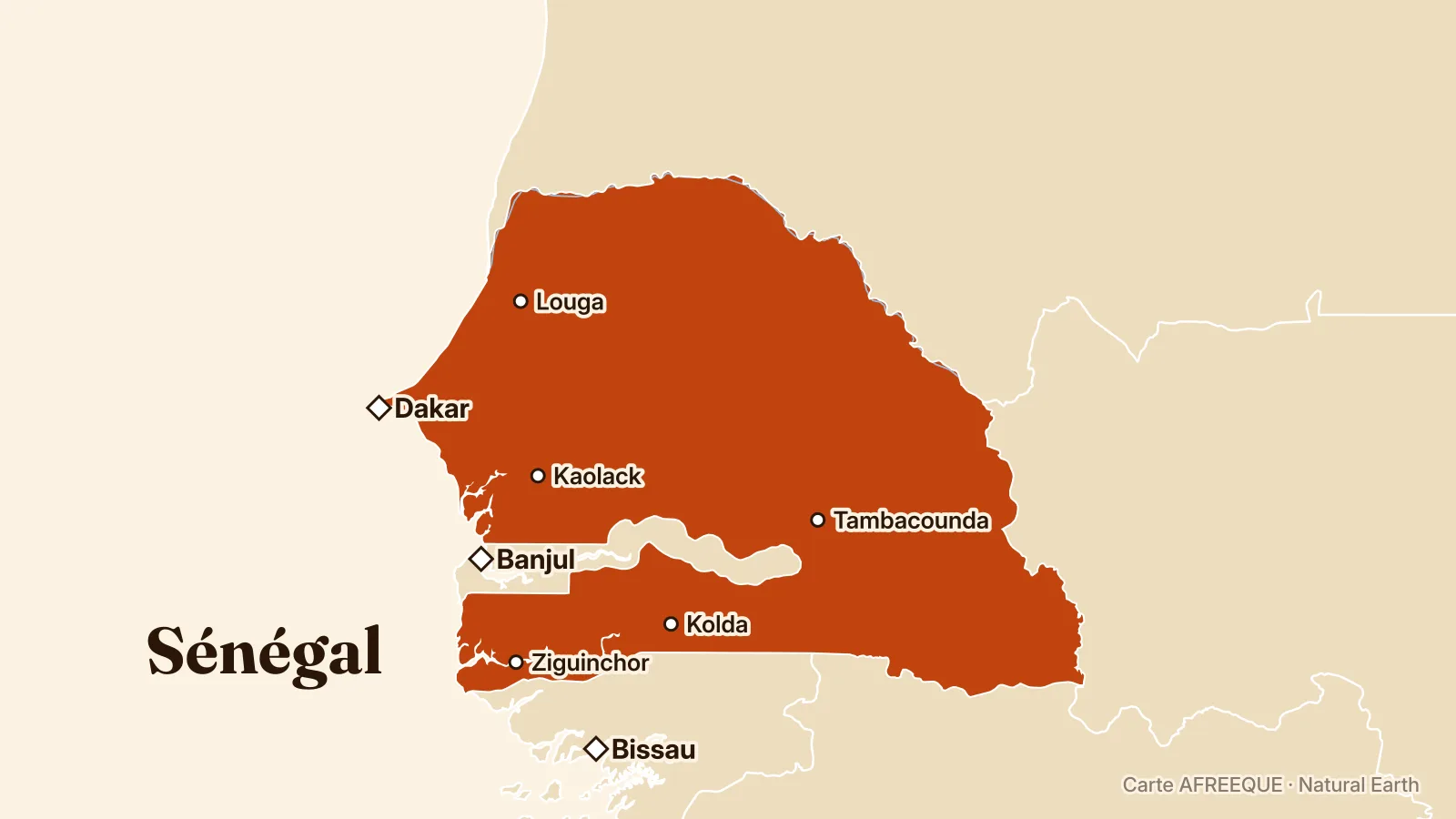
In Senegal, a round of in vitro fertilisation with micro-injection can cost up to 2.5 million CFA francs, while medicines account for nearly 800,000 CFA francs, according to obstetrician-gynaecologist Philippe Moreira of Dalal Jamm Hospital. These costs, which are not covered by insurance or health insurance institutions, were discussed at a workshop in Dakar organised by the Association of Health Journalists and the Directorate of Maternal and Child Health, Le Soleil reports.
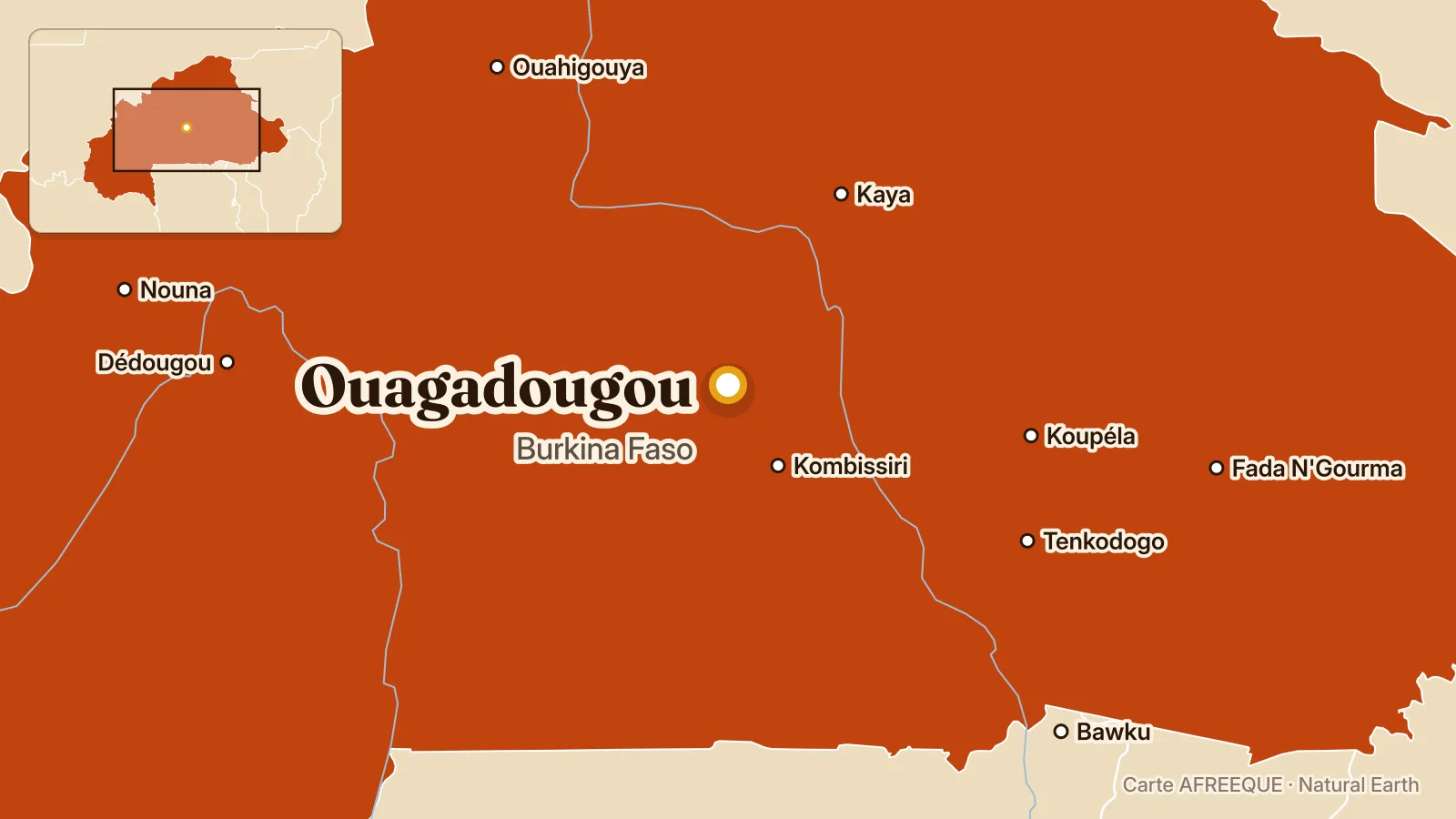
Dadoh University’s General Students’ Bureau held a free screening day for breast and cervical cancer on 16 October in Ouagadougou. The initiative also included gynaecological consultations and aimed to promote prevention among the university community, according to Burkina 24.
Professor Bangaly Traoré, coordinator of the fight against breast cancer in Guinea, recommends that women whose screening results are negative repeat the test three years later. He says examinations remain available throughout the year at Donka National Hospital, where the Village Rose campaign was launched, according to Guinee360.