Olive tuberculosis infects 120,000 trees in Mahdia, Tunisia
By the AFREEQUE newsroom, based on La Presse de Tunisie
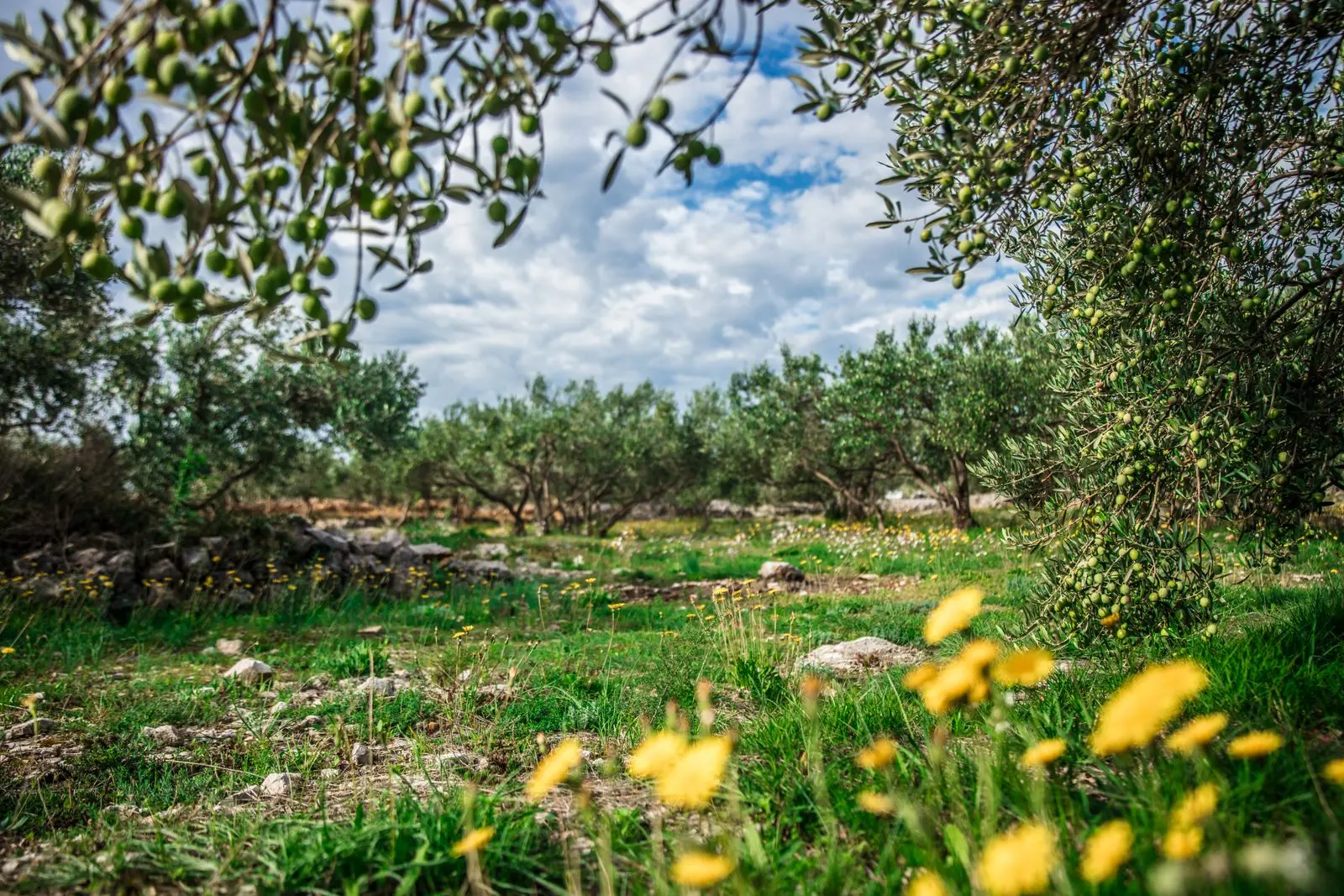 Illustrative image · Hani Salama · Pexels · Licence Pexels
Around 120,000 of the 433,000 olive trees recorded in Melloulèche and El Aïtha, in Tunisia's Mahdia governorate, are affected by olive tuberculosis, or nearly 28% of the trees, including 4,000 severely affected. A specialised mill is processing olives from infected trees and the most severely affected trees will be pruned and burned after the harvest, according to Mouna Mahafedhi, director of plant protection.
Olive tuberculosis affects around 120,000 of the 433,000 trees recorded in Melloulèche and El Aïtha, in Mahdia governorate, representing nearly 28% of the olive trees in the two areas. Of these, 4,000 have severe symptoms, Mouna Mahafedhi, director of plant protection at the General Directorate of Plant Health and Agricultural Inputs Control, said on Express FM.
The authorities brought forward the harvest date and mobilised a specialised mill to process olives from infected trees. After the harvest, the trees with the most severe infections are to be pruned and destroyed on site by burning, while affected trees will be treated with copper by the General Directorate of Plant Health, according to Mouna Mahafedhi.
Analyses carried out by the National Oil Office on samples from olives harvested from infected trees showed that the quality and composition were identical to those of oil from healthy olives, the official added. The disease manifests itself in particular through swellings and tumours on branches and can also affect oleander and jasmine, considered secondary hosts.
The outbreak of olive tuberculosis in Mahdia follows interventions against olive canker in the governorate on 15 October. Tunisian teams deployed against olive canker in Mahdia had then been mobilised to combat the plant disease.