Global crisis weighs on Ugandan household budgets
By the AFREEQUE newsroom, based on PML Daily
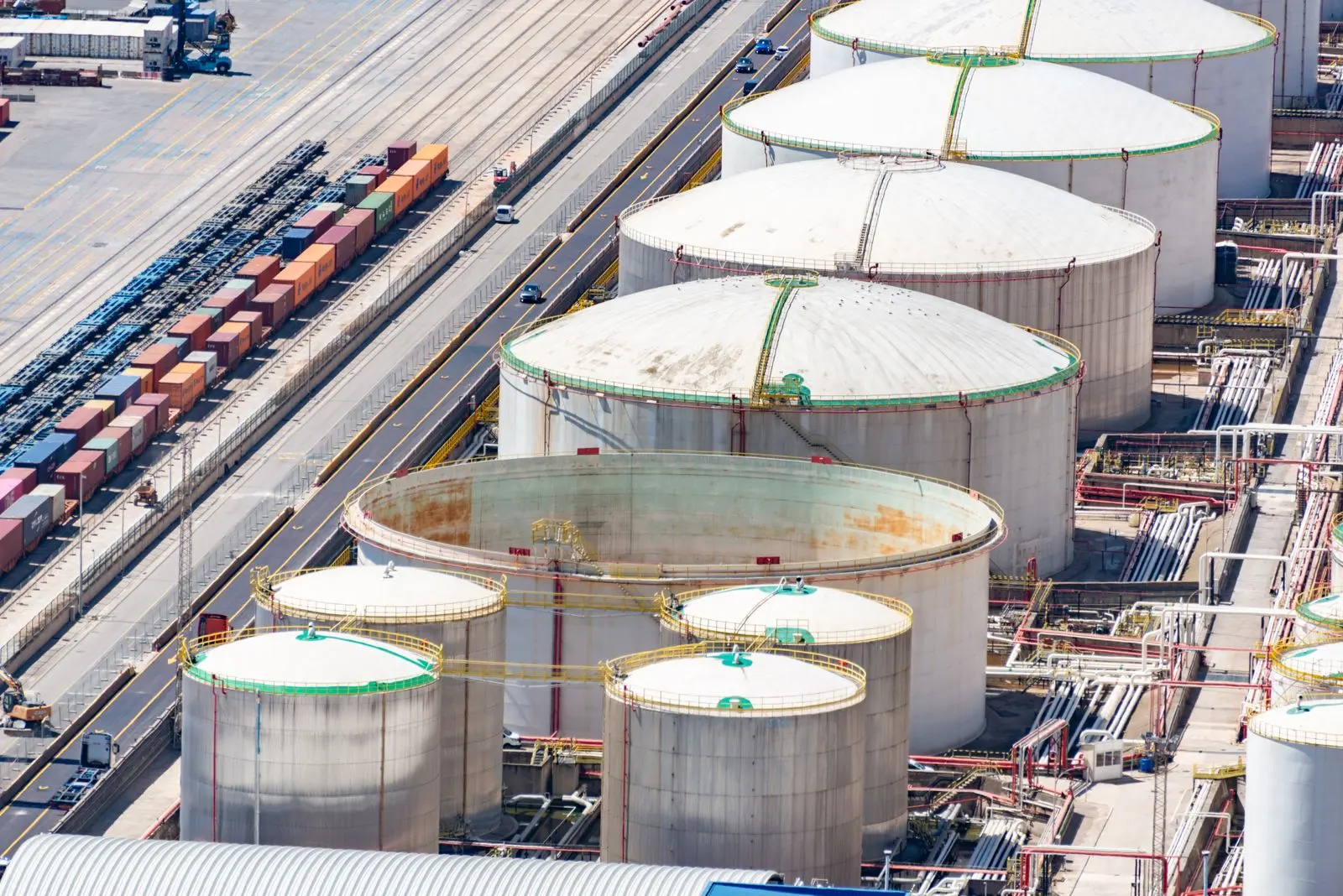
 Illustrative image · Mwesigwa Joel · Pexels · Licence Pexels
Rising food, fuel and commodity prices, along with the depreciation of the shilling, are reducing the purchasing power of Ugandan households. The effects vary according to income, exposure to imports and changes in interest rates, Michael Jjingo explains in an analysis published by PML Daily.
The depreciation of the Ugandan shilling and rising food, fuel and commodity prices are reducing the purchasing power of households in Uganda, reports PML Daily. A household earning 5 million Ugandan shillings a month can therefore buy fewer goods and services than a year ago, while school fees, food, transport, utilities and healthcare costs continue to weigh on the same income.
PML Daily links these pressures to developments in the global economy, including conflicts in the Middle East, rising international oil prices, currency fluctuations and supply chain disruptions. The effects differ between households: oil-exporting countries can benefit from higher prices, while importing countries face additional costs.
The media outlet also notes that two families with the same income can experience a period of economic tensions differently. One may have car loans, a mortgage and high expenses, while the other maintains precautionary savings, holds productive assets and invests regularly.
This analysis comes as rising prices have already reduced Ugandans' spending, according to an earlier PML Daily report published on 28 October. It also follows the decline in Uganda's PMI to 53 in September, reported on 7 October.