Rising electricity prices cripple South African municipalities
By the AFREEQUE newsroom, based on Sowetan
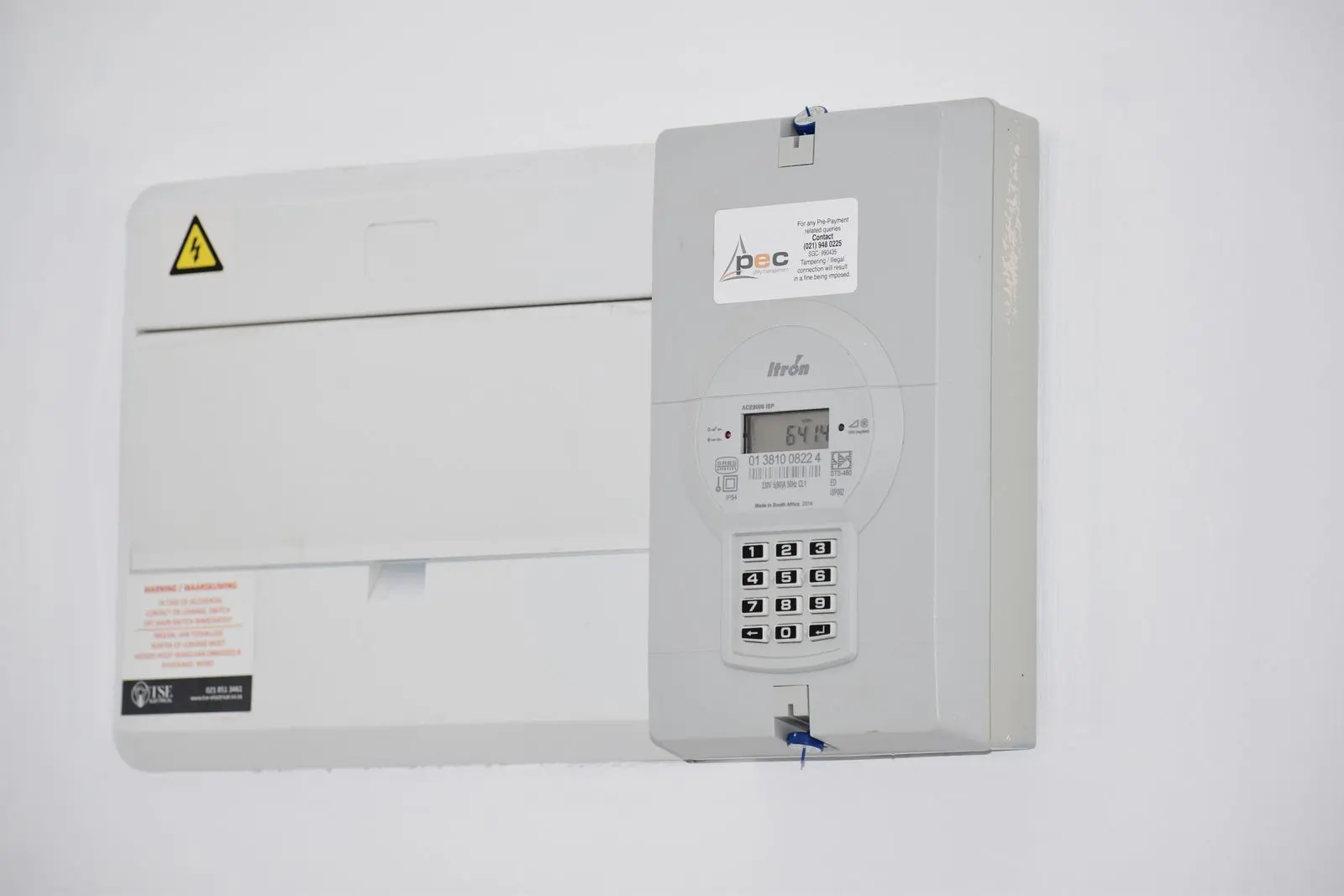 Illustrative image · Akashni Weimers · Pexels · Licence Pexels
In an opinion piece in the Sowetan, Philip van Ryneveld and Jugal Mahabir, two contributors to the White Paper on local government, explain that rising electricity prices have exhausted the surpluses municipalities made from reselling Eskom power wholesale, weakening their finances. This item, the largest in municipal budgets, also weighs most heavily on households.
South Africa’s major municipalities generally buy electricity wholesale from Eskom, then resell it to consumers with a margin intended to fund their distribution networks, including their operation, maintenance, transformers and power lines, according to the Sowetan. Historically, this activity generated a surplus that municipalities used to subsidise other services.
Electricity also represents the main item in municipal budgets and the largest component of households’ municipal bills, according to the Sowetan. The recently launched White Paper on local government also identifies internal problems such as poor administration and corruption, as well as external difficulties faced by municipalities. Its authors, Philip van Ryneveld, former chief financial officer of the City of Cape Town, and Jugal Mahabir, a researcher at the Public Affairs Research Institute, took part in drafting it.
The financial difficulties linked to electricity come as South Africa prepares a reform of the electricity sector without price increases, announced on 1 November 2026 by the South African government. Water and electricity cuts were also among voters’ main concerns ahead of the local elections, according to an article published on 5 November 2026 on electoral concerns.