AfCFTA could strengthen Africa’s automotive value chains
By the AFREEQUE newsroom, based on TimesLIVE
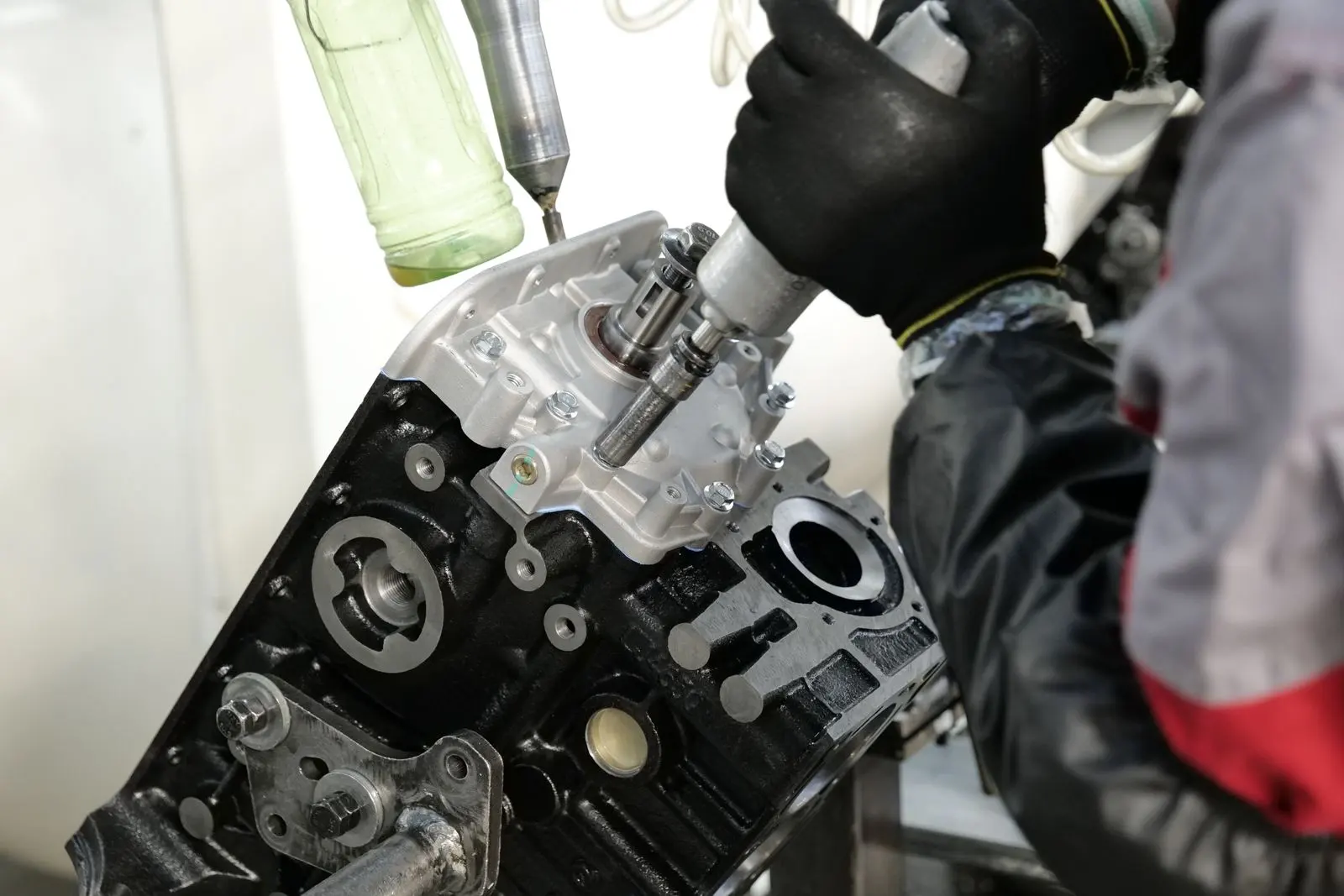 Illustrative image · Auto Tech · Pexels · Licence Pexels
The African free trade agreement could help turn the continent’s automotive potential into factories, suppliers and jobs, Michael Whitfield argues. The challenge now is to convert agreed rules of origin into investment and regional production, according to his analysis published by South Africa’s Sunday Times.
AfCFTA, the free trade agreement aimed at increasing trade between African countries, could help structure regional value chains in the automotive industry, TimesLIVE says. The challenge now is to turn common rules into investment, industrial production and jobs.
The AfCFTA’s automotive rules of origin have been approved, according to TimesLIVE. They were at the centre of discussions at the Africa Automotive Investment Forum held in Alamein, Egypt, in October, where a draft automotive pact between the Southern African Customs Union and Egypt was also presented.
The model envisaged is based on distributing activities among several countries: one hub could assemble vehicles while others produced wiring harnesses, trim, tyres, glass, batteries or plastic components. Mineral processing, logistics, ports, distribution, financing and training could also be integrated into this chain, according to TimesLIVE.
Africa’s automotive sector continues to face constraints related notably to vehicle costs, access to financing and the cost of ownership. TimesLIVE notes that not all countries have the conditions needed to assemble complete vehicles, particularly in terms of scale, infrastructure, skills and market access.