Cissé explains why Senegal did not activate ORSEC plan
By the AFREEQUE newsroom, based on Senego

Senegalese Interior Minister Mouhamadou Makhtar Cissé says the pumps and resources already mobilised could manage the floods without activating the ORSEC plan. He says the decision preserved existing coordination among technical services, after discussions based on weather forecasts, according to RTS.
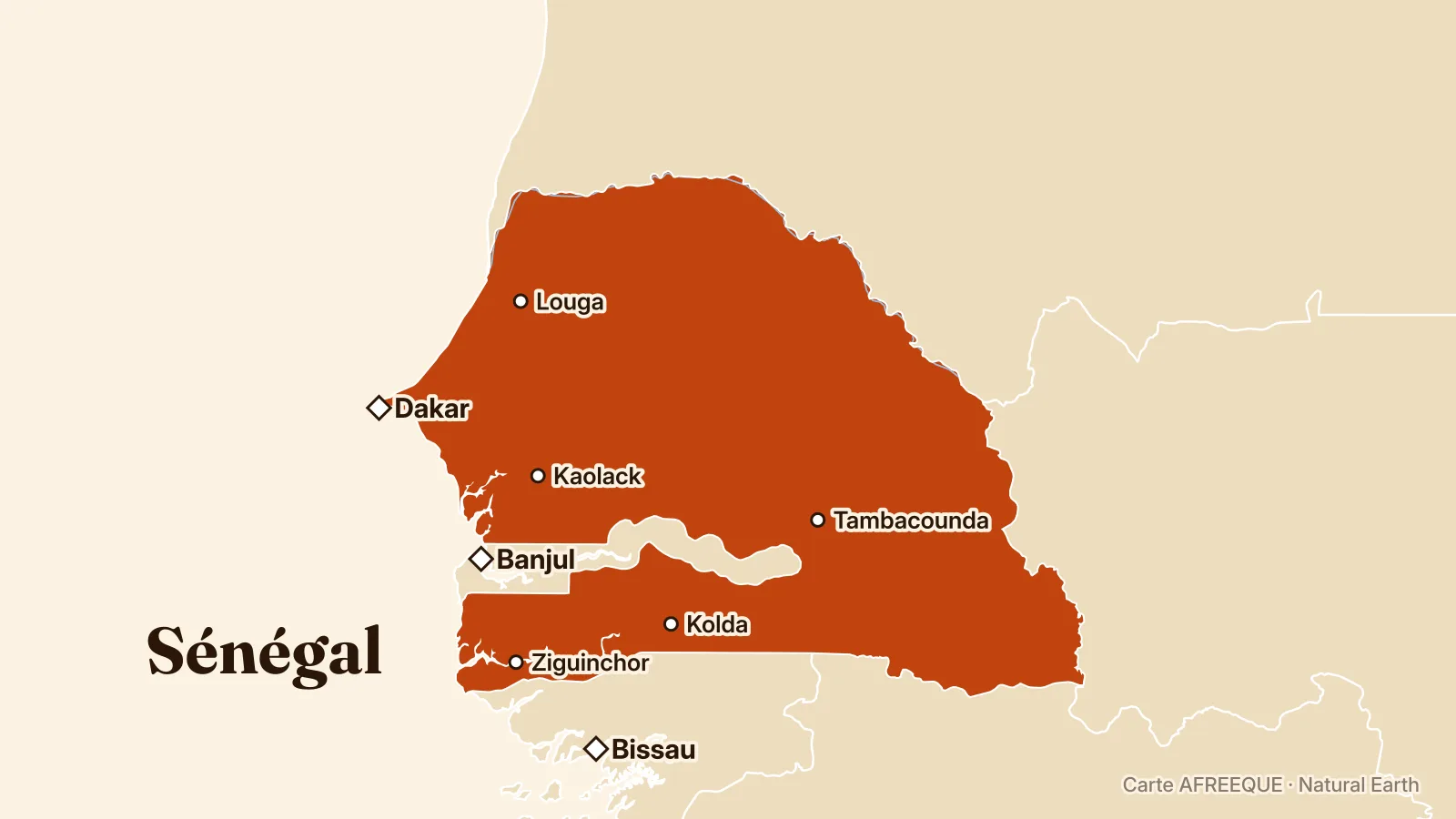
Senegal’s Interior Minister, Mouhamadou Makhtar Cissé, explained that the national emergency response plan (ORSEC) had not been activated after the floods because he considered the resources already mobilised to be appropriate. The decision was taken after discussions with technical services and experts, he said on the programme “Sans Filtre”, broadcast by RTS.
Weather forecasts had announced that the rains would end around 14 October, and the authorities estimated that the pumps could resolve the difficulties if the rainfall stopped. Prime Minister Ahmadou Al Aminou Lô had brought together the services concerned on 5 October, after heavy rains submerged streets in Dakar and affected several regions, while the Dakar Regional Emergency Plan and a Monitoring Committee had been activated, according to Senego.
Mouhamadou Makhtar Cissé said ORSEC could have added a level of command without improving the response. Coordination remained among the services already mobilised, including the National Fire Brigade and the National Office for Sanitation of Senegal, while the national committee responsible for floods is chaired by the Environment Minister.
The minister said the episode was, according to specialists, among the three largest volumes of rainfall recorded in Dakar during the century. On 5 October, the prime minister announced an allocation of 921 billion CFA francs for a plan including work on drainage networks, retention basins and exposed areas.