Senegal launches plan to decarbonise cement and concrete
By the AFREEQUE newsroom, based on APS
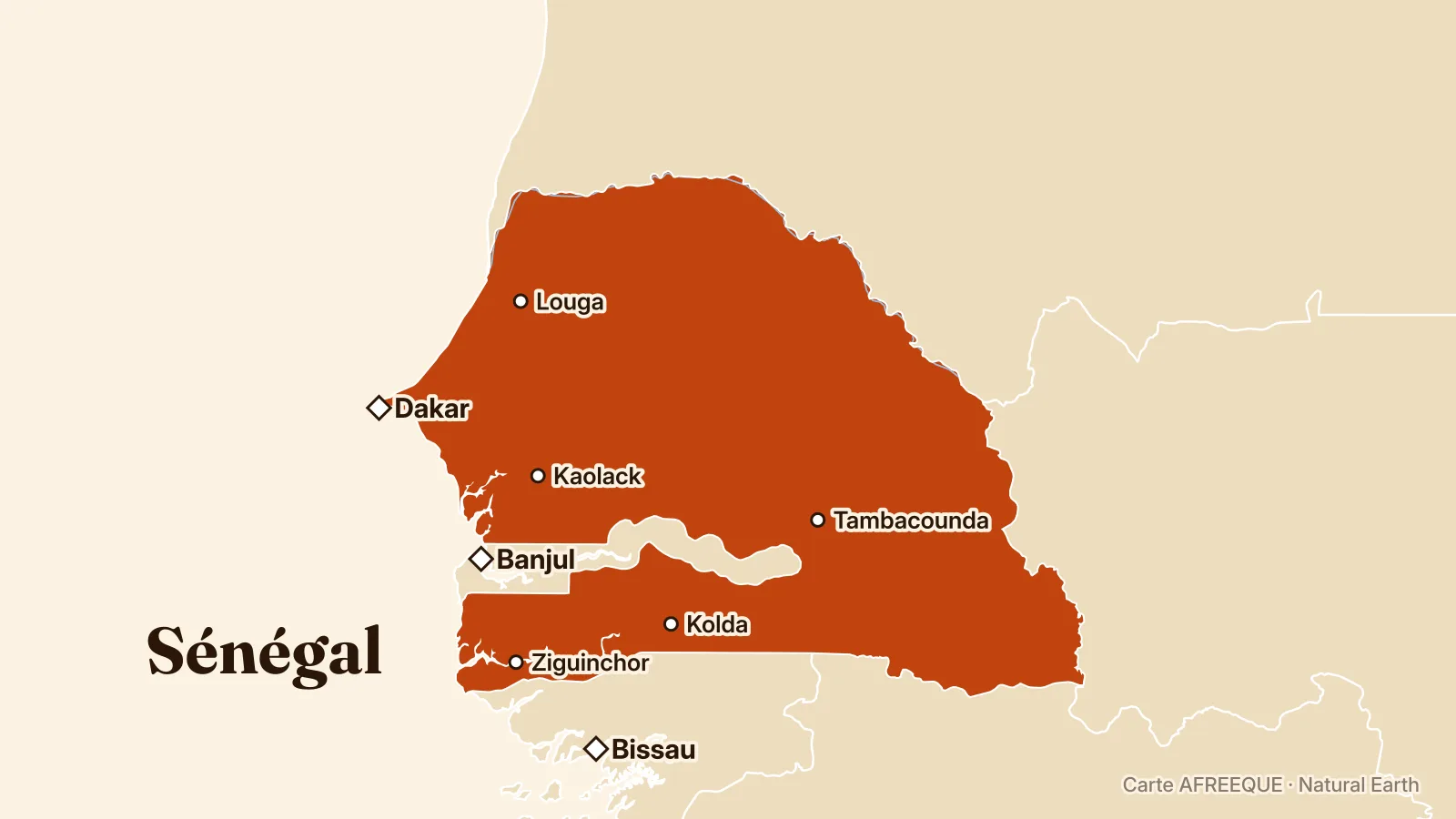
Senegal’s Ministry of the Environment has launched a roadmap in Dakar to reduce emissions from the cement and concrete industry, a major greenhouse gas emitter. The plan is to set priority technical and policy measures, strengthen monitoring and promote appropriate standards, according to the Directorate for Climate Change, Ecological Transition and Green Finance.
Senegal’s Ministry of the Environment and Ecological Transition launched the “National Roadmap for Decarbonising Cement and Concrete in Senegal” in Dakar on Monday, aiming to reduce greenhouse gas emissions from the sector. The plan is intended to identify priority technical and policy measures, strengthen monitoring and evaluation, and promote standards aligned with international best practice, according to the Directorate for Climate Change, Ecological Transition and Green Finance (DCCTEFV), which is attached to the ministry.
The gradual replacement of the most polluting thermal processes could prevent the release of 3.5 million tonnes of carbon dioxide by 2050, equivalent to 27% of the reduction effort required from the cement and concrete industry, said Madeleine Diouf Sarr, head of the DCCTEFV. The roadmap covers several stages, from the design of structures to the production of construction materials.
Samuel Tabane, director of industrial development at the Ministry of Industry and Trade, described the decarbonisation of industry as an “absolute emergency” for Senegal. The plan also provides for stronger cooperation between public authorities, industrial companies and other stakeholders, as well as raising public awareness of the transition to a low-carbon economy, according to the DCCTEFV.