Guinea: closure of Siguiri mines deprives poultry farmers of their market
By the AFREEQUE newsroom, based on Africaguinée
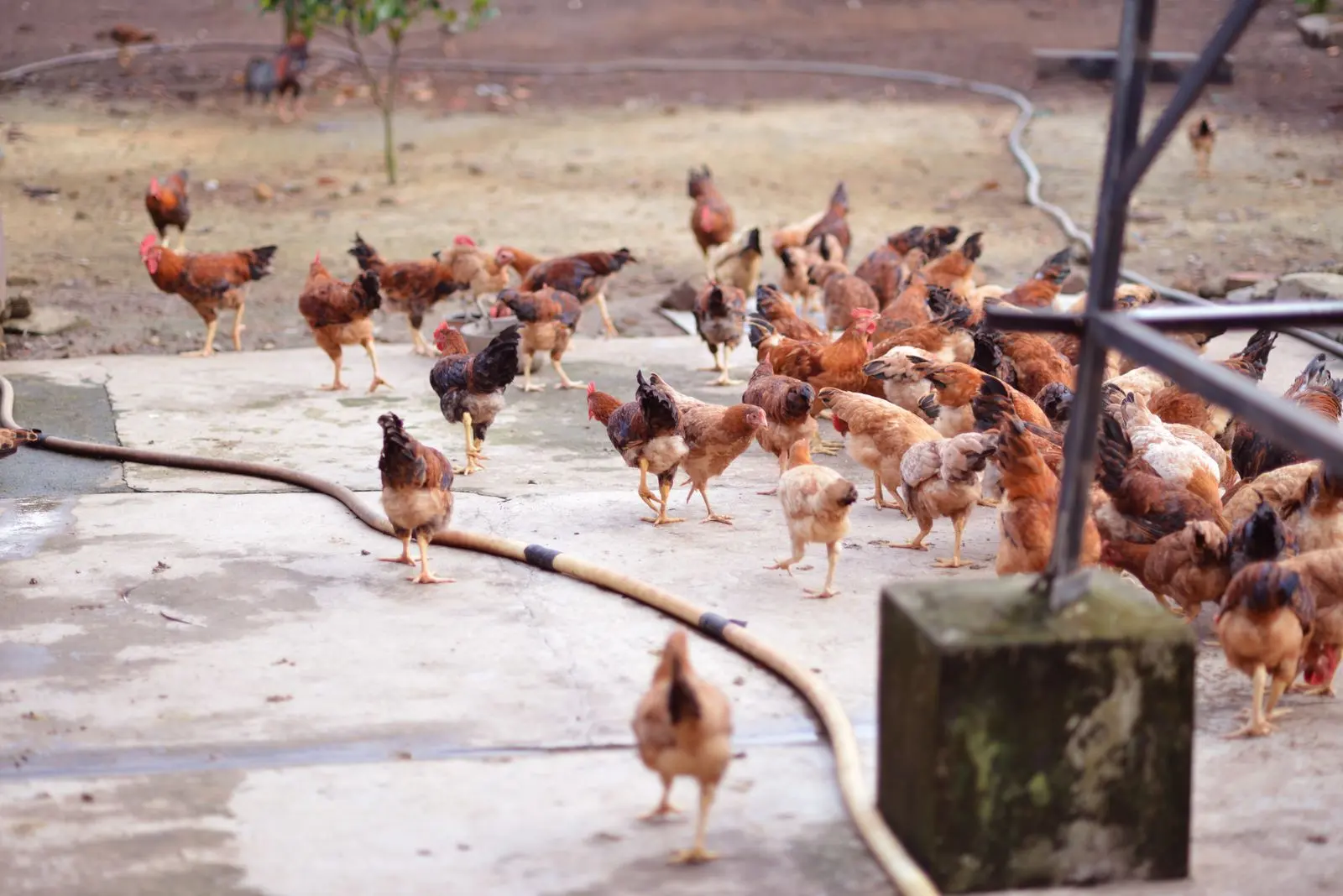 Illustrative image · Thanh Lâm · Pexels · Licence Pexels
The closure of the artisanal gold-mining sites of Siguiri, in Upper Guinea, has deprived poultry farmers of their main market, where up to 80% of the production of Middle and Lower Guinea was sold, according to Africaguinee. Breeders and poultry sellers are calling on the state to regulate the activity or open new outlets.
The closure of the artisanal gold-mining sites of Siguiri, in Upper Guinea, has deprived poultry farmers of an outlet where up to 80% of the production of farms in Middle and Lower Guinea was sold, according to sector players interviewed by Africaguinee.com.
Based in Coyah, Sanoussi Diallo, a poultry farmer since 2003, sent 3,000 egg trays to be sold in Upper Guinea every Tuesday, or 12,000 a month, and fears the collapse of the entire value chain. "We are hard hit by this decision that caught us off guard," he said, adding that other producers with greater means than his send even more.
The crisis is not limited to eggs: potato producers buy manure from poultry farms, the maize sector depends on breeders who buy a large part of the harvest to feed the poultry, and transport and fish drying are affected in the same way. Between stocks at risk of rotting and unsold goods, sector players are calling on the state to regulate artisanal mining rather than close it permanently, or to open new outlets for them to prevent the sector from suffocating.
The closure follows the suspension of all artisanal gold mining in Siguiri on 29 October, then the ban on gold mining in waterways on 2 November. The Guinean army has since closed the Siguiri gold mines to secure the gold of the Conakry refinery, and Mamadi Doumbouya has dismissed 22 administrators of the locality.