Ghana seeks to legalise artisanal mining through cooperatives
By the AFREEQUE newsroom, based on Starr FM
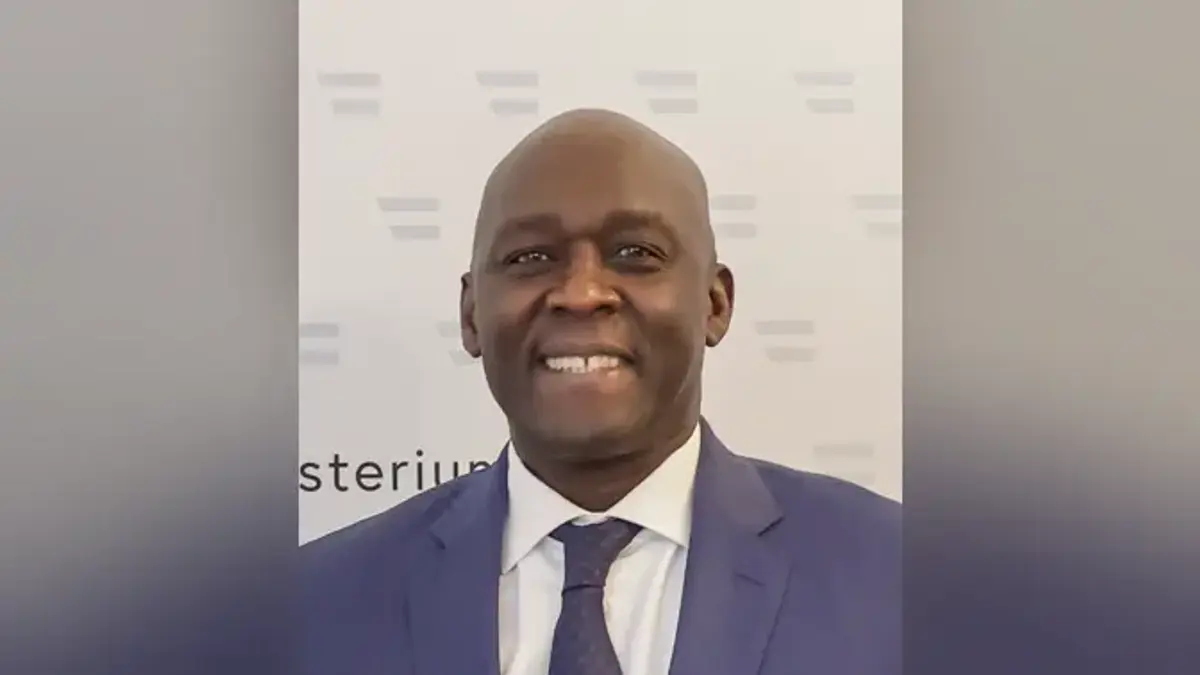
Sammy Gyamfi, chief executive of the Ghana Gold Board, is presenting a programme to organise informal artisanal miners into cooperatives, train them and make it easier to obtain licences. In a statement dated 31 October 2026, he cited experiences in Colombia, Mongolia, Peru and Tanzania as potential ways to formalise the sector and strengthen environmental protection.
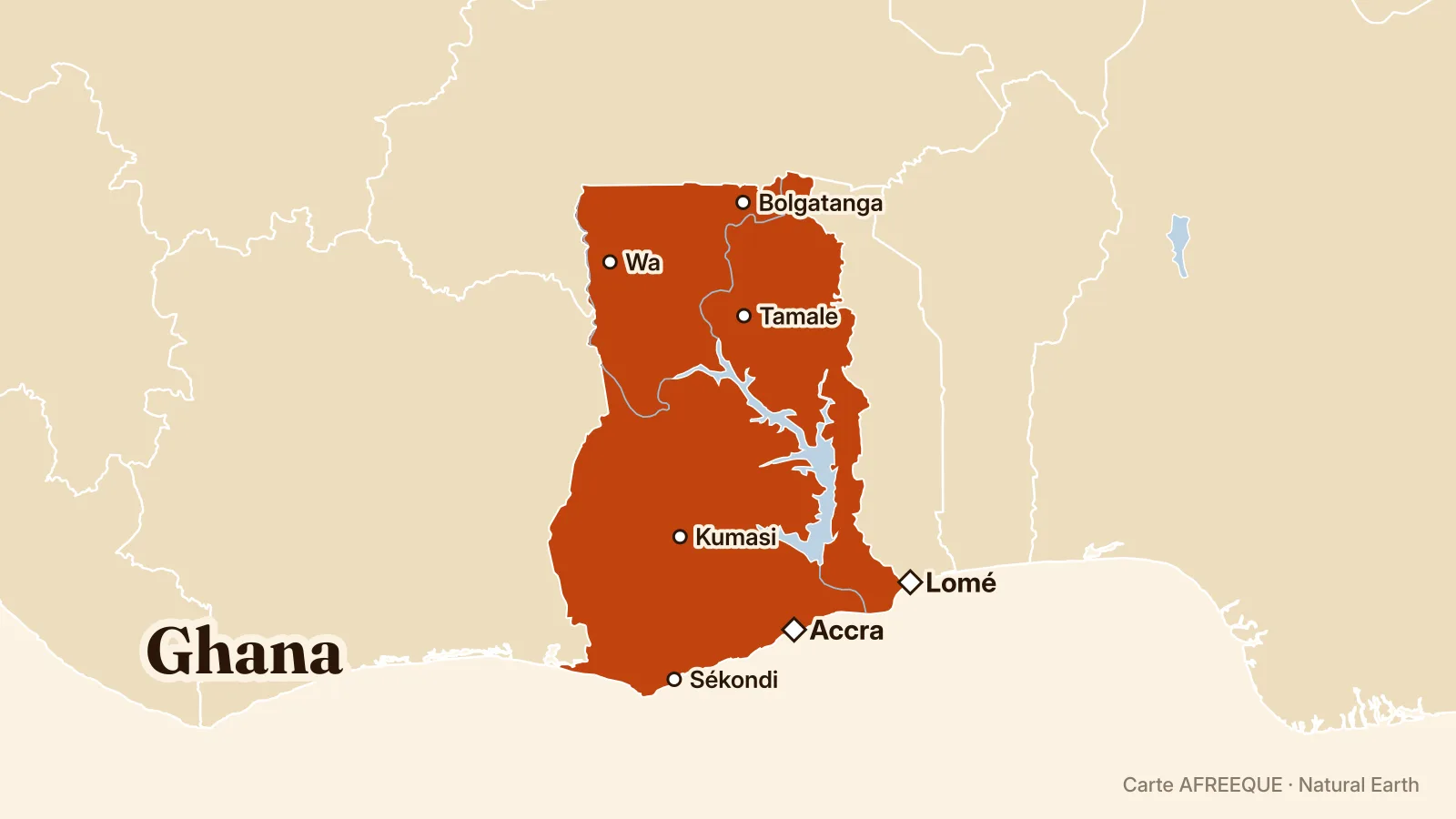
Ghana wants to organise informal artisanal miners into cooperatives, train them and make it easier for them to obtain licences so they can operate legally. The Responsible Cooperative Mining and Skills Development Programme (rCOMSDEP), led by the Ministry of Lands and Natural Resources, could draw on initiatives in Colombia, Mongolia, Peru and Tanzania, Ghana Gold Board chief executive Sammy Gyamfi said in a statement dated 31 October, Starr FM reports.
The examples cited combine different formalisation tools: Colombia passed a law in 2022 allowing traditional miners to apply for regularisation, while Mongolia opened the sector to registered cooperatives and partnerships in 2017. In Peru, the formalisation register removed 50,565 miners in July 2025 for failing to meet requirements; 31,560 others were granted an exceptional extension until 31 December 2025.
In Tanzania, the registration of eligible miners and allocation of recognised areas were accompanied by licences, technical support and mercury-free processing centres. More than 5,000 mining groups have been formed there. Ghana has already announced measures to regulate artisanal gold mining in the Western Region.