World Bank warns of unplanned urbanisation in Nigeria
By the AFREEQUE newsroom, based on Leadership
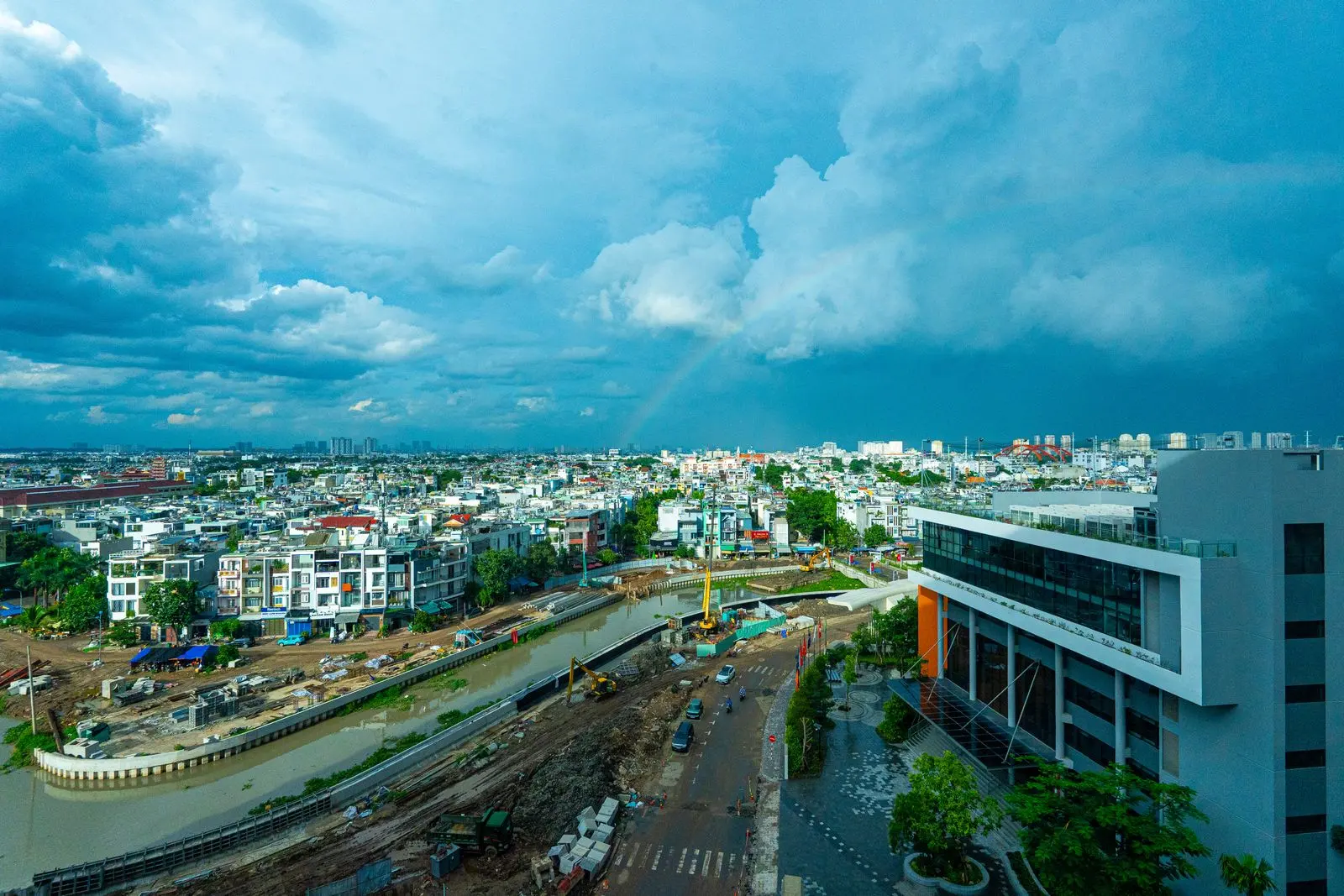 Illustrative image · Thang Nguyen · Pexels · Licence Pexels
The World Bank warns that unplanned urbanisation could increase infrastructure costs, reduce productivity and constrain job creation in Nigeria. It projects that Lagos will grow from 12.8 million to 16.2 million residents by 2050, while Onitsha will reach 8.7 million, according to its report published on Thursday.
The World Bank projects that Lagos’s population will rise from 12.8 million in 2025 to 16.2 million in 2050, an increase of more than 25%. In its report on urbanisation in sub-Saharan Africa, published on Thursday, it warned that poorly planned urban expansion would increase infrastructure costs, reduce productivity and constrain job creation in Nigeria, according to Leadership.
Onitsha’s population is also expected to rise from 5.6 million to 8.7 million over the same period, while Kano’s will increase from 4.8 million to about 6.3 million. Across sub-Saharan Africa, the area occupied by cities is expected to grow by 90% between 2025 and 2050, and 71% of urban population growth is expected to occur beyond the current boundaries of urban areas, according to the World Bank.
The institution recommends planning road networks and protecting rights of way before homes are built. It also advocates reforms to land consolidation and subdivision, as well as early investment in basic infrastructure to better connect neighbourhoods to jobs, markets and essential services.