Economist warns of consequences of Senegal budget rejection
By the AFREEQUE newsroom, based on Le Soleil
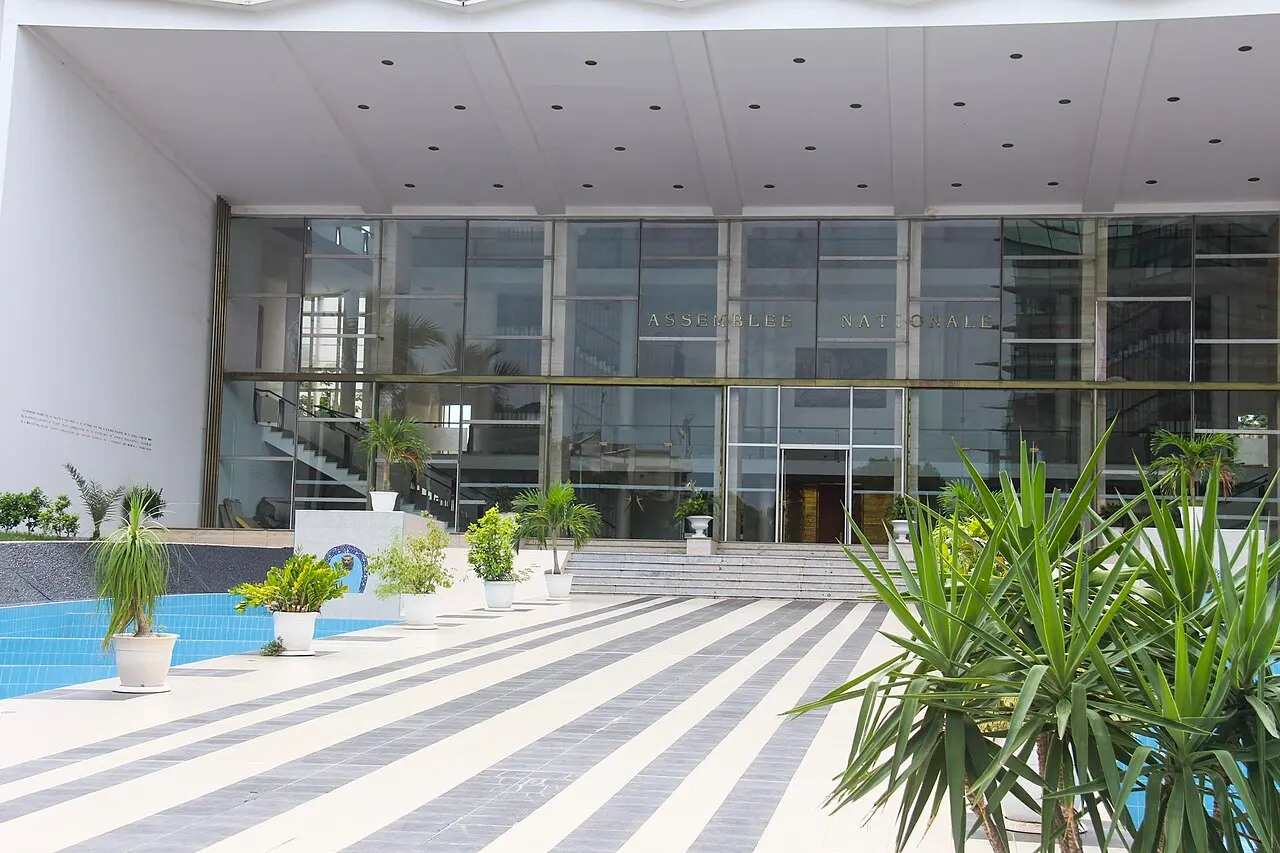
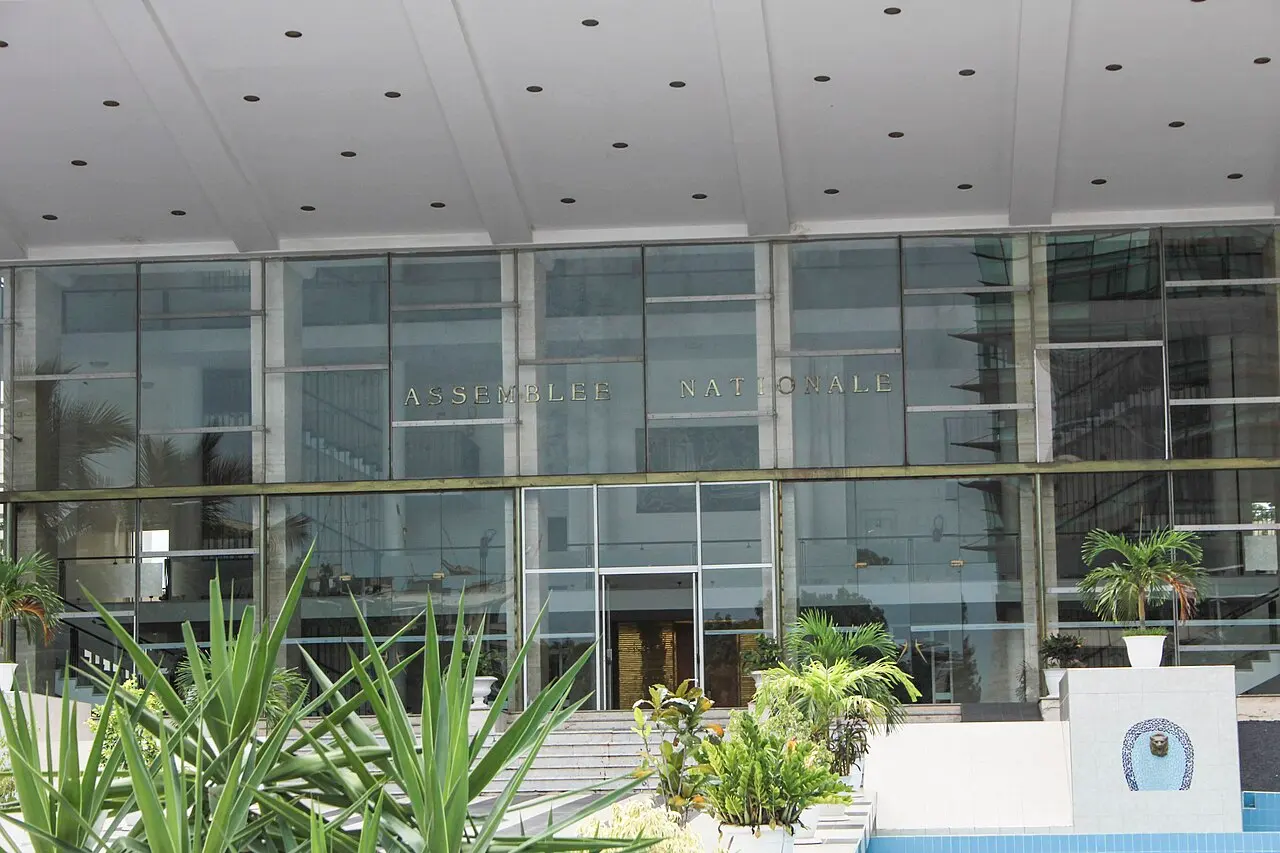
Senegal’s National Assembly rejected the 2026 supplementary finance bill by 109 votes to 20, with three abstentions. Financial economist Mouhamed Ndiaye says the decision removes neither energy spending nor salaries that must be funded, according to an interview published by Le Soleil.
Senegalese financial economist Mouhamed Ndiaye believes that rejecting the 2026 supplementary finance bill does not remove the energy bill or the state’s commitments, and calls for economic stability and the protection of the population in an interview with daily newspaper Le Soleil.
He recalled that the National Assembly rejected the bill by 109 votes to 20, with three abstentions, after adopting a preliminary objection that prevented substantive examination. According to him, the rise in the price of oil, from 73 dollars a barrel in February to more than 110 dollars in April, helped push energy subsidies from 250 billion to 790.3 billion CFA francs.
Revised projections provided for 7,583.9 billion CFA francs in spending and 5,848.7 billion CFA francs in revenue, representing a deficit of 7.6% of GDP. Expected growth was lowered from 5% to 2.7%, while revenue mobilisation measures generated 311.5 billion CFA francs, compared with the 762.9 billion initially forecast, Mouhamed Ndiaye said.
The analysis comes after the Senegalese Assembly rejected the government’s 2026 supplementary budget, announced on 24 October. On 3 November, the mayor of Mbour also warned about projects threatened by the consequences of the rejection, according to the media’s previous reports.