Moroccan researcher highlights Al Quaraouiyine's contribution to Mediterranean medicine
By the AFREEQUE newsroom, based on Libération (Maroc)
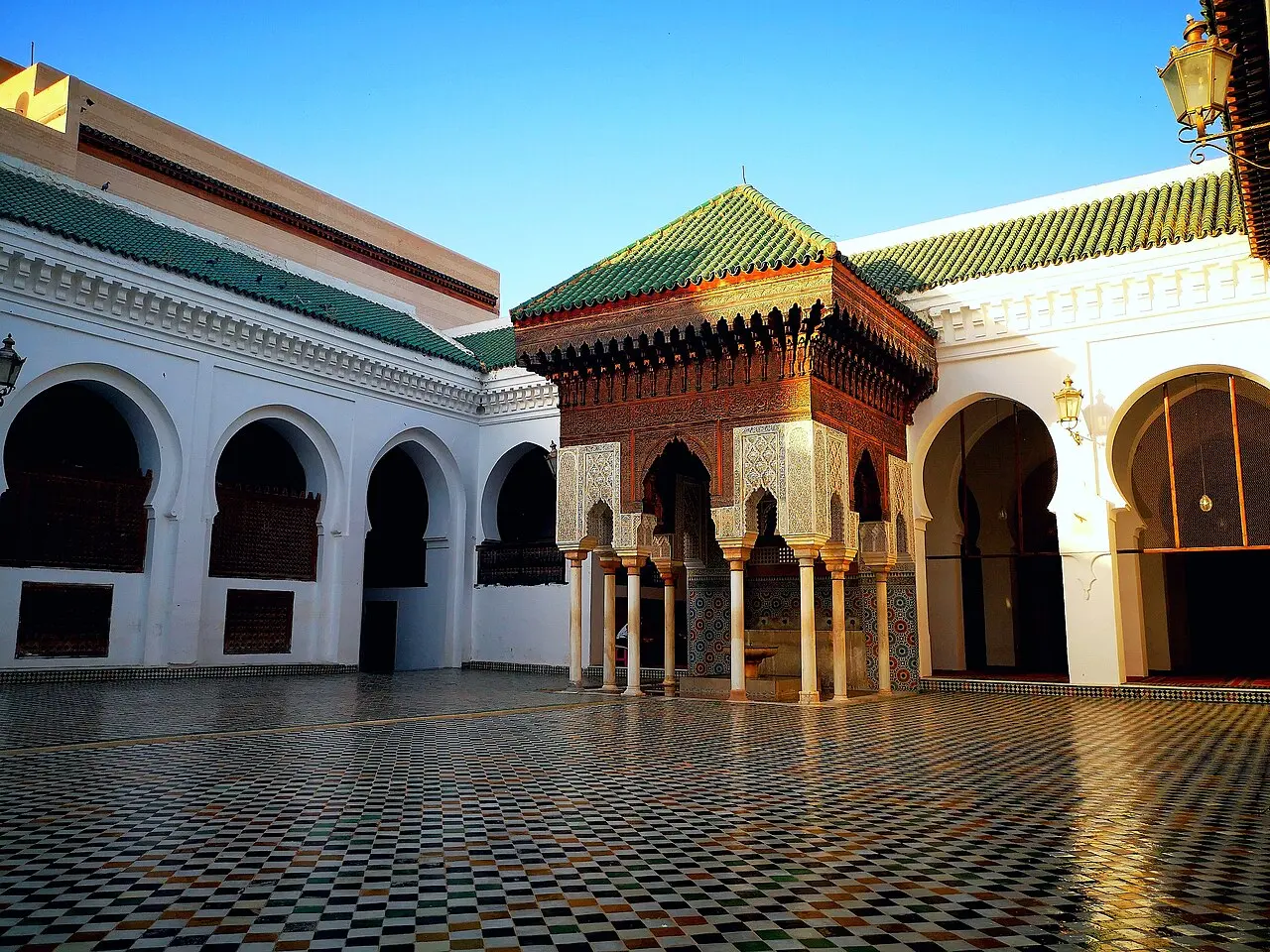
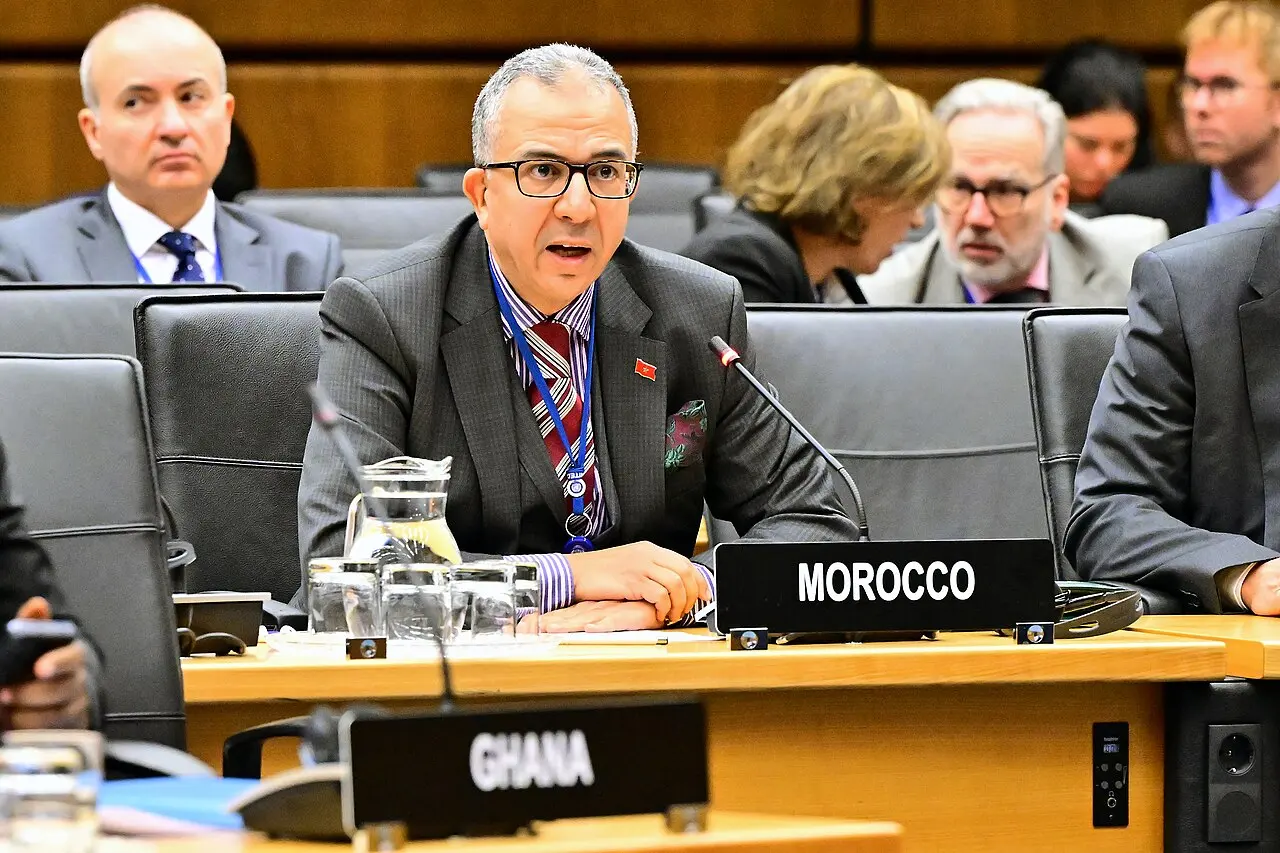
Moroccan researcher Mohamed Zine El Abidine El Hossaini presented at the 50th International Congress of the History of Medicine in Tunis the contributions of Al Quaraouiyine University in Fez and its scholars to the development of medicine in the Mediterranean, notably Abulcasis and Avenzoar. The teaching of medicine there was based on experimentation and observation, he told MAP.
Moroccan researcher in history and civilisation Mohamed Zine El Abidine El Hossaini presented in Tunis on Friday an overview of the scientific contributions of Al Quaraouiyine University in Fez to the development of medicine in the Mediterranean basin. He was speaking as part of the 50th International Congress of the History of Medicine, organised by the International Society for the History of Medicine with the Tunisian Society for the History of Medicine and Pharmacy and the Faculty of Medicine of Tunis, according to a statement to MAP carried by Libération.
Drawing on manuscripts and historical documents, the researcher cited among the scholars from the university Abou Al-Qasim Al-Zahrawi (Abulcasis), author of the medical encyclopaedia « Al-Tasrif li-man ajiza an al-ta'lif », which covers pharmacopoeia, diet, dermatology and devotes a major section to surgery, as well as Ibn Zohr (Avenzoar), author of « Al-Taysir fi al-modawat wa al-tadbir », a work on therapeutics and dietetics. According to him, Al-Zahrawi did not limit himself to a theoretical description of medical practices, unlike many scholars of his time, but used explanatory drawings and illustrations, notably in dentistry for the alignment and fixation of teeth and the removal of tartar; Ibn Massawayh adopted a similar approach in ophthalmology.
Mohamed Zine El Abidine El Hossaini called for particular attention to be paid to manuscripts and historical documents relating to Al Quaraouiyine University, given their scientific and heritage value, and for this documentary heritage to be incorporated into university programmes.