Adnane Remmal receives UNESCO-Equatorial Guinea prize
By the AFREEQUE newsroom, based on MAP
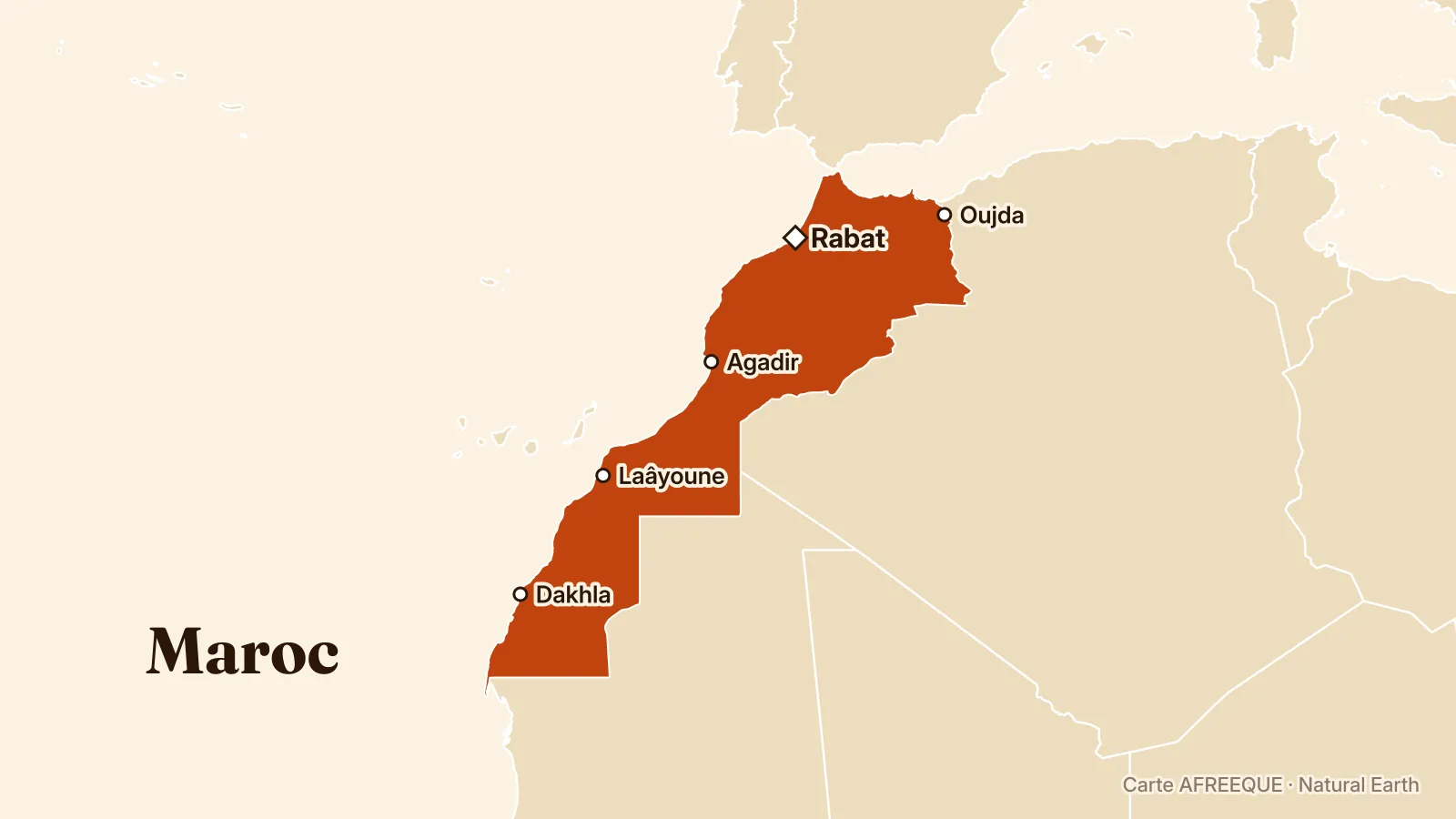
Moroccan researcher Adnane Remmal is among the three winners of the UNESCO-Equatorial Guinea International Prize for Life Sciences Research, recognised for his work against antimicrobial resistance. The prize was awarded on Friday evening in Paris, according to MAP, which also cited his work on OLIPEN.
Moroccan researcher Adnane Remmal, a professor at Sidi Mohamed Ben Abdellah University in Fez, was recognised on Friday evening in Paris as one of the three winners of the UNESCO-Equatorial Guinea International Prize for Life Sciences Research. He was rewarded for his work in combating antimicrobial resistance, according to MAP.
His research notably led to the development of OLIPEN, an antibiotic combined with an essential-oil component, approved for clinical use in Morocco and used to treat multidrug-resistant infections. Remmal has also developed natural alternatives to antibiotics for livestock farming to reduce their use and promote safer and more sustainable food production, according to MAP.
In a statement to MAP, Adnane Remmal said his approach aims to restore the effectiveness of existing antibiotics rather than systematically developing new molecules. It combines a conventional antibiotic with a natural molecule acting as a "resistance breaker", a method that has already benefited hundreds of thousands of patients in Morocco, according to the researcher.
Adnane Remmal said antimicrobial resistance poses a threat to public health, human development and food security. He thanked UNESCO and the Republic of Equatorial Guinea for awarding the prize, according to MAP.