URGENT

Moroccan Sahara: three pillars for lasting peace, according to researcher Aïdara

By , based on Senego

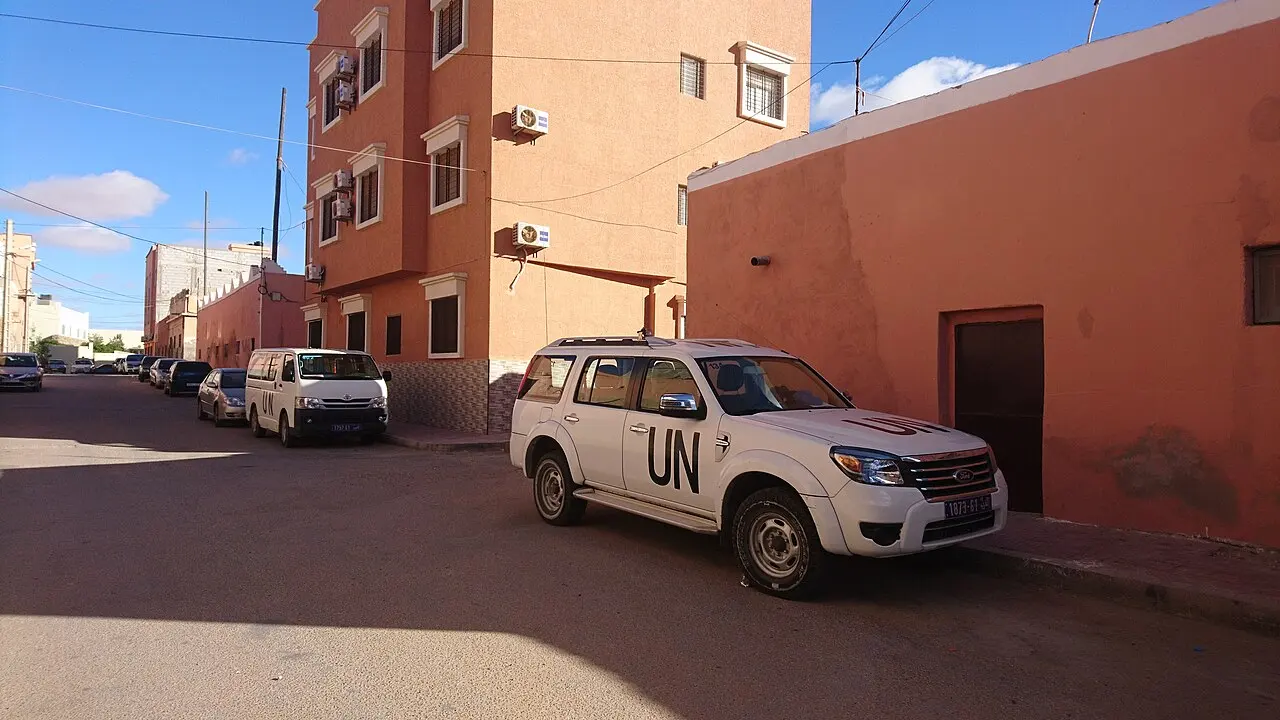
Moroccan Sahara: three pillars for lasting peace, according to researcher AïdaraAnass Sedrati · CC BY-SA 4.0

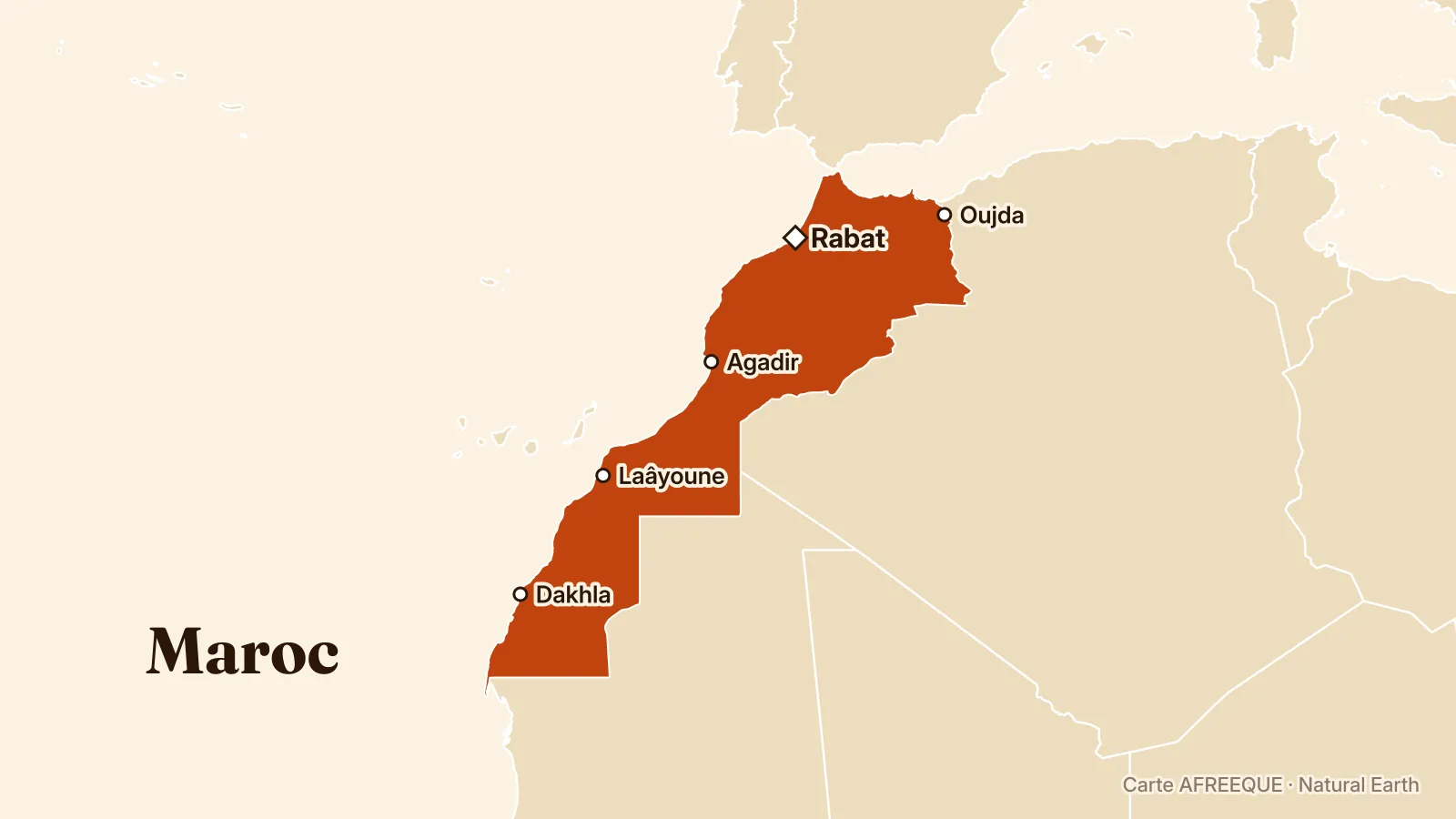
At a panel held by the Moroccan embassy in Dakar to mark 50 years of the Green March, Senegalese academic Abdou Latif Aïdara argued for a self-determination compatible with Moroccan sovereignty over the Sahara, resting on three pillars including self-government for the populations. He based his case on UN Resolution 1514, which does not impose independence, according to Senego.

Senegalese researcher Abdou Latif Aïdara argued on Friday, at a panel organised in Dakar by the Moroccan embassy in Senegal for the 50th anniversary of the Green March, for a reading of self-determination compatible with Morocco's sovereignty over the Sahara. According to the academic, international law does not necessarily reduce self-determination to independence: United Nations Resolution 1514 opens up several possibilities, including integration into a state, provided the choice is free, voluntary and democratic.

"Every time we speak of a referendum, people think of independence. Every time we mention self-determination, people also think of independence. But no. According to the United Nations, self-determination can take several forms," he explained. Professor Aïdara stressed the need to preserve the territorial integrity of states and highlighted the notion of allegiance in the Islamic tradition as a way of understanding the historical relations between Morocco and the populations of the Sahara.

He argued for a political solution resting on three inseparable pillars: the sovereignty of the Kingdom of Morocco, self-government for the populations and their freely expressed adherence. "None of these three pillars stands alone," he said, arguing that their combination was the condition for lasting peace in the Sahara.

This stance is part of a series of expressions of support in Dakar, where Hassan Naciri reaffirmed Morocco's position on the Sahara on 6 November, after the UN's adoption on 15 October of a resolution enshrining Moroccan autonomy as the basis for a settlement.
Share this article

Ongoing story · day by day

Sahara negotiations

Guterres and the UN place self-determination at the center of negotiations on the Sahara, while several countries support Morocco’s autonomy plan.

The latest developments

Earlier in this story

  1. 5 NovFatima Ezzahra El Mansouri reaffirms Morocco's position on the Sahara
  2. 5 NovRabat maintains the ceasefire in the Sahara after the end of MINURSO
  3. 4 NovRomania reaffirms support for Moroccan autonomy in the Sahara
  4. 3 NovSahara: Rachid Lazrak analyses Russia’s 30 October veto
  5. 3 NovIn Helsinki, Morocco defends autonomy for the Sahara
The whole story: 80 articles →

Related stories

In Dakar, academic Abdou Latif Aïdara defends Moroccan autonomy in the Sahara

At the celebration of the 51st anniversary of the Green March in Dakar, the academic Abdou Latif Aïdara, director of the African Centre for Strategic Intelligence, defended the Moroccan autonomy initiative in the Sahara as the "only credible alternative" to the deadlock of the referendum. He was speaking before diplomats and researchers, according to Senego.

🇲🇦 Morocco · Source: Senego ·

In Helsinki, Morocco defends autonomy for the Sahara

Morocco’s embassy in Helsinki held a meeting on its autonomy initiative for the Sahara, attended by Finnish, Moroccan and Norwegian experts. Ambassador Mohamed Achgalou presented Resolution 2797 and the recent UN vote as favourable to the option, according to MAP.

🇲🇦 Morocco · Source: MAP ·

Ould Errachid says support for Sahara autonomy is growing

Mohamed Ould Errachid, president of Morocco’s House of Councillors, says international support is growing for the autonomy initiative under Moroccan sovereignty in the Sahara. He was speaking during a joint session of both Houses on the latest developments in the issue, in Rabat, according to MAP.

🇲🇦 Morocco · Source: MAP ·

🇲🇦 Latest from Morocco

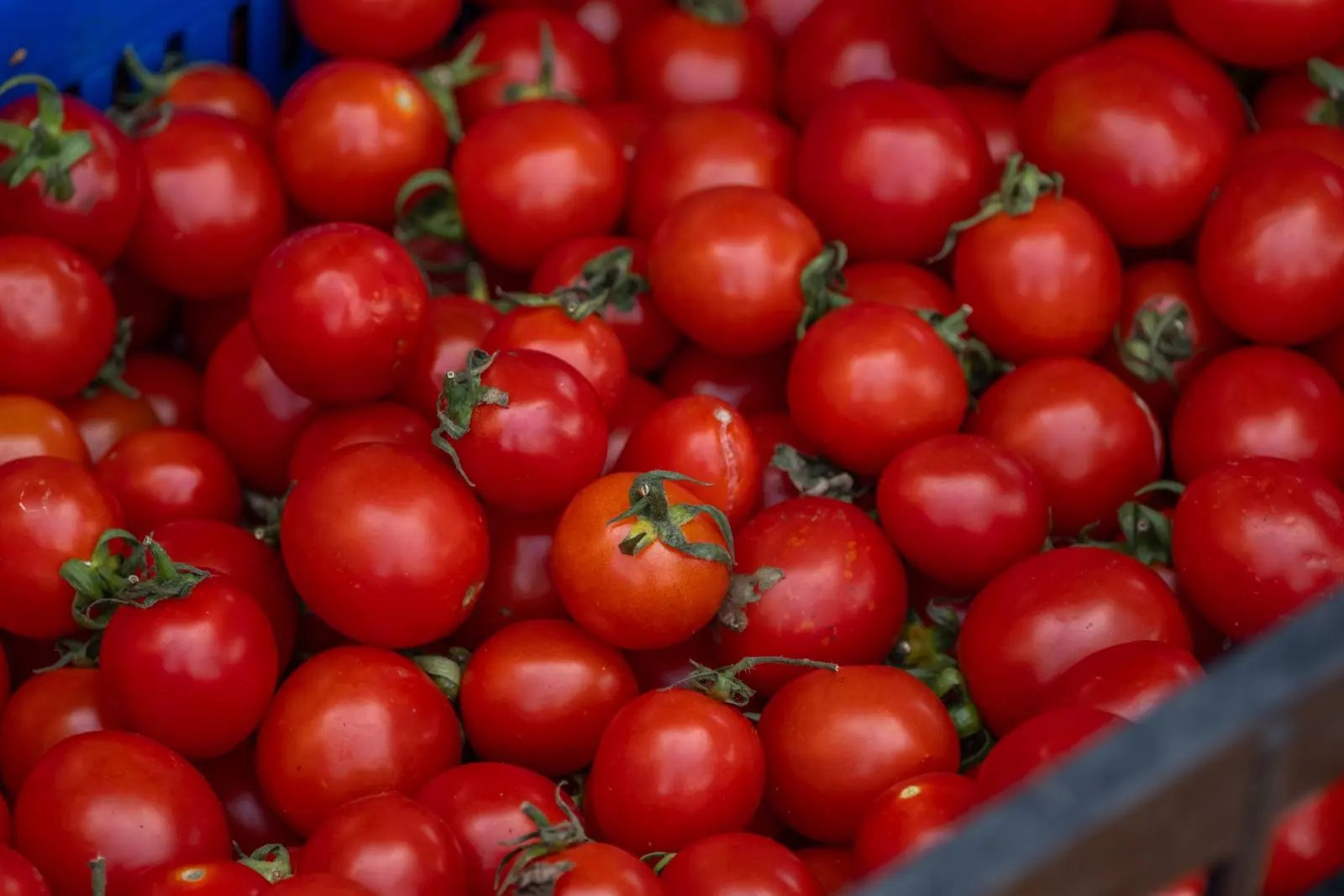
Morocco suspends tomato exports to AfricaMorocco suspends tomato exports to AfricaThe Moroccan government is temporarily suspending tomato exports to African markets to preserve domestic supplies and help lower prices. The measure was decided on 5 November amid rising domestic prices, according to information reported by Reuters.All Morocco news →

Politics in North Africa

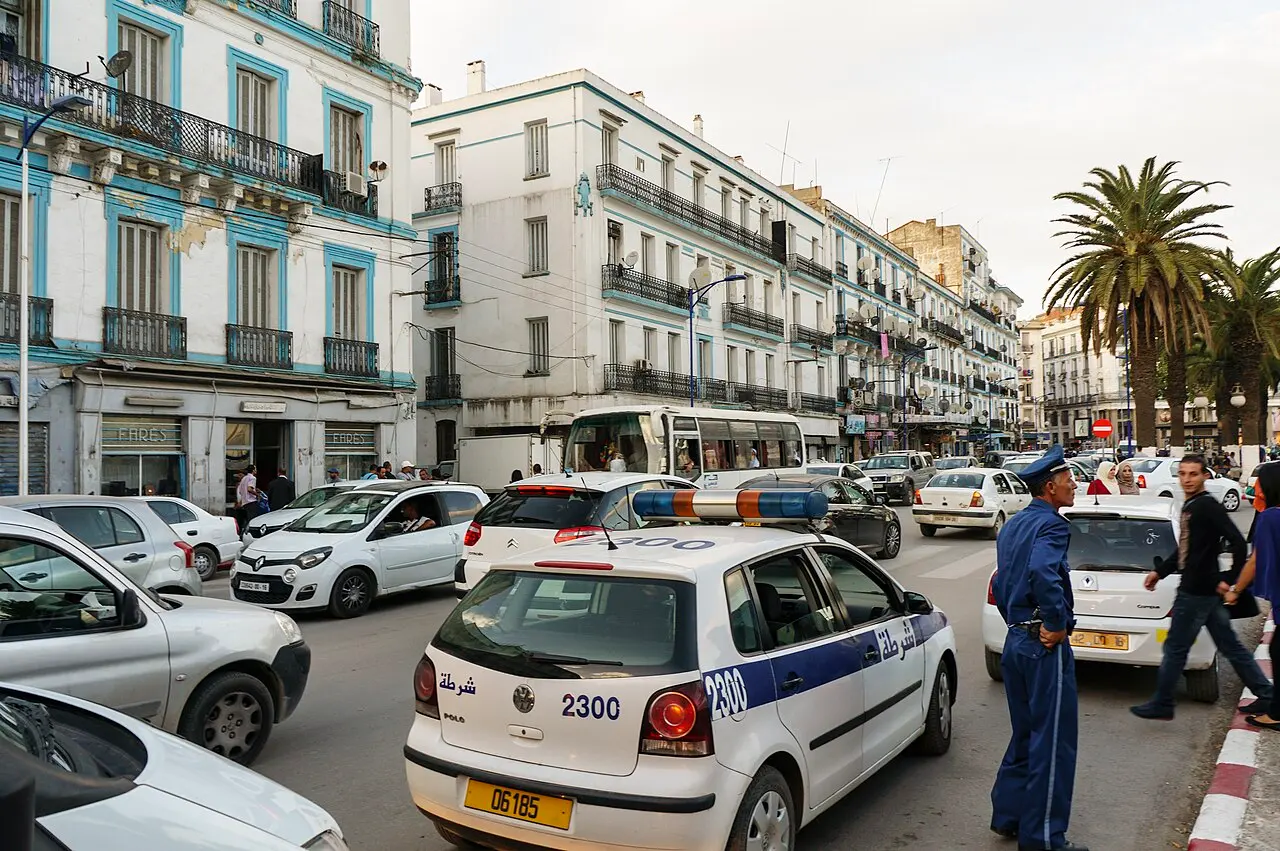
Two cocaine networks dismantled in western AlgeriaTwo cocaine networks dismantled in western AlgeriaAlgerian investigators seized more than 96 kilograms of cocaine and arrested 12 suspects in two operations in the west of the country. The value of the recovered assets exceeds 200 billion centimes, while investigations attribute control of the networks to leaders based in Morocco and Europe, reports Algérie360.All Politics news →

The week in Africa

This week’s highlights

  1. Paul Mackenzie sentenced to 200 years for 191 murders🇰🇪 Kenya
  2. Ebola in DR Congo: Tshopo provincial assembly suspends its work for 21 days🇨🇩 DR Congo
  3. Tundu Lissu sentenced to four years in prison in Tanzania🇹🇿 Tanzania
  4. Judge suspends construction of Trump's arch in Washington for 14 days🇺🇸 United States
  5. Democrats win US midterm elections🇺🇸 United States
All of this week’s highlights →

Africa in your inbox

Be the first to get our letter in English: the essentials from every region of the continent, free.

← Back to the news