In Dakar, academic Abdou Latif Aïdara defends Moroccan autonomy in the Sahara
By the AFREEQUE newsroom, based on Senego
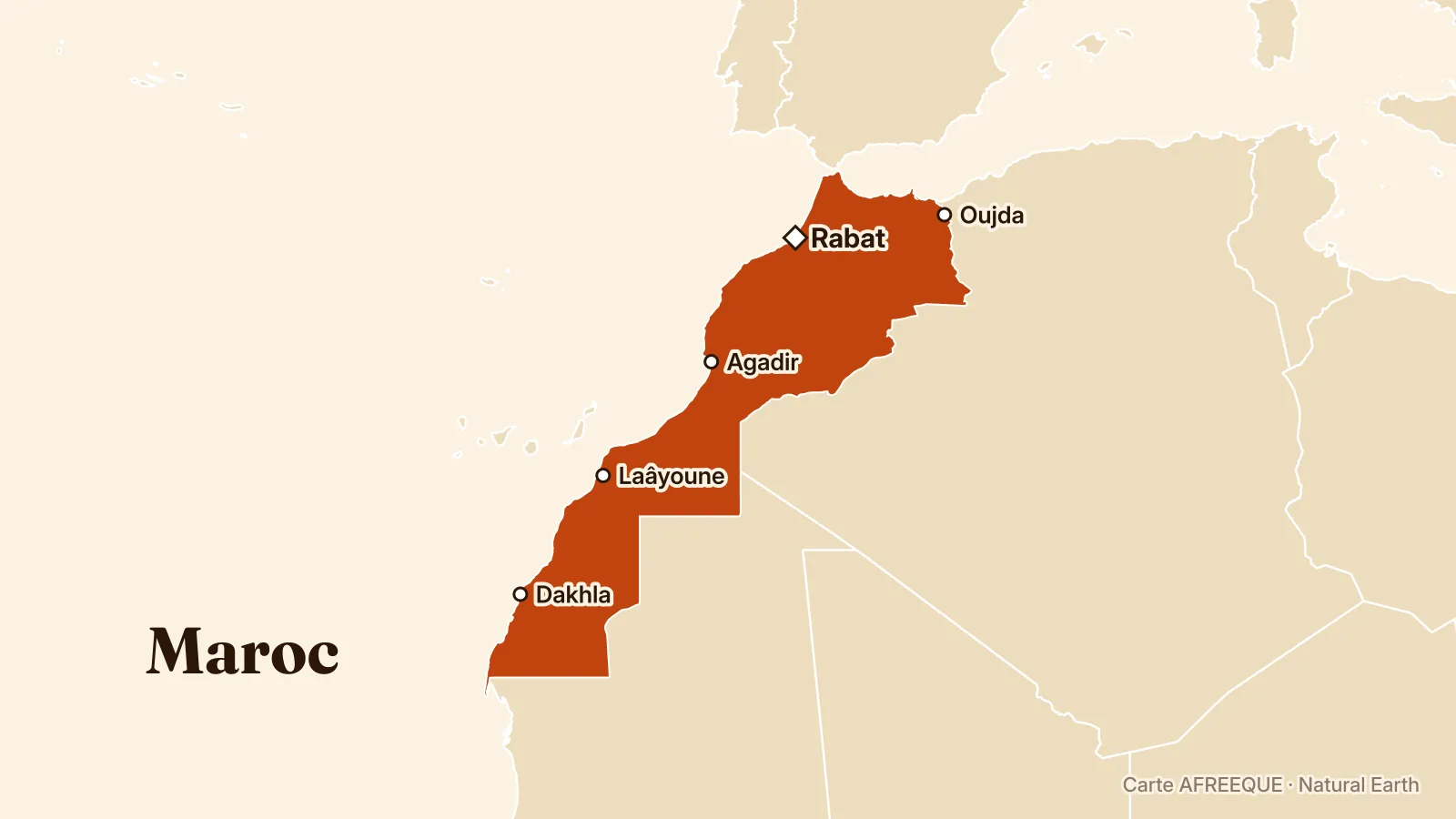
At the celebration of the 51st anniversary of the Green March in Dakar, the academic Abdou Latif Aïdara, director of the African Centre for Strategic Intelligence, defended the Moroccan autonomy initiative in the Sahara as the "only credible alternative" to the deadlock of the referendum. He was speaking before diplomats and researchers, according to Senego.
The Senegalese academic Abdou Latif Aïdara, director of the African Centre for Strategic Intelligence (CISP), defended on Friday in Dakar the Moroccan autonomy initiative in the Sahara as a credible way out of a conflict bogged down for decades, during a celebration of the 51st anniversary of the Green March organised by the Moroccan embassy in Senegal, Senego reports.
Before diplomats, academics, lawyers and researchers, he recalled the historic significance of the Green March of 6 November 1975, when 350,000 Moroccans peacefully crossed the border southwards. He structured his address around four themes: the principles of international law, the Moroccan autonomy initiative presented on 11 April 2007, recent developments at the UN and the prospects for a way out of the crisis. According to him, the referendum process envisaged since 1991 ran into persistent difficulties, notably over the identification of voters, and the Baker II plan failed.
The academic also mentioned the developments of 30 October 2026 at the Security Council, where the American draft resolution received eleven votes in favour before being blocked by Russia's veto, while the Russian draft aimed at extending MINURSO's mandate failed for lack of sufficient votes.
This stance adds to a series of similar interventions: Hassan Naciri had reaffirmed Morocco's position on the Sahara in Dakar the same day, after Morocco defended autonomy for the Sahara in Helsinki on 3 November.