Ghana’s policy rate remains at 14% to stabilise economy
By the AFREEQUE newsroom, based on MyJoyOnline
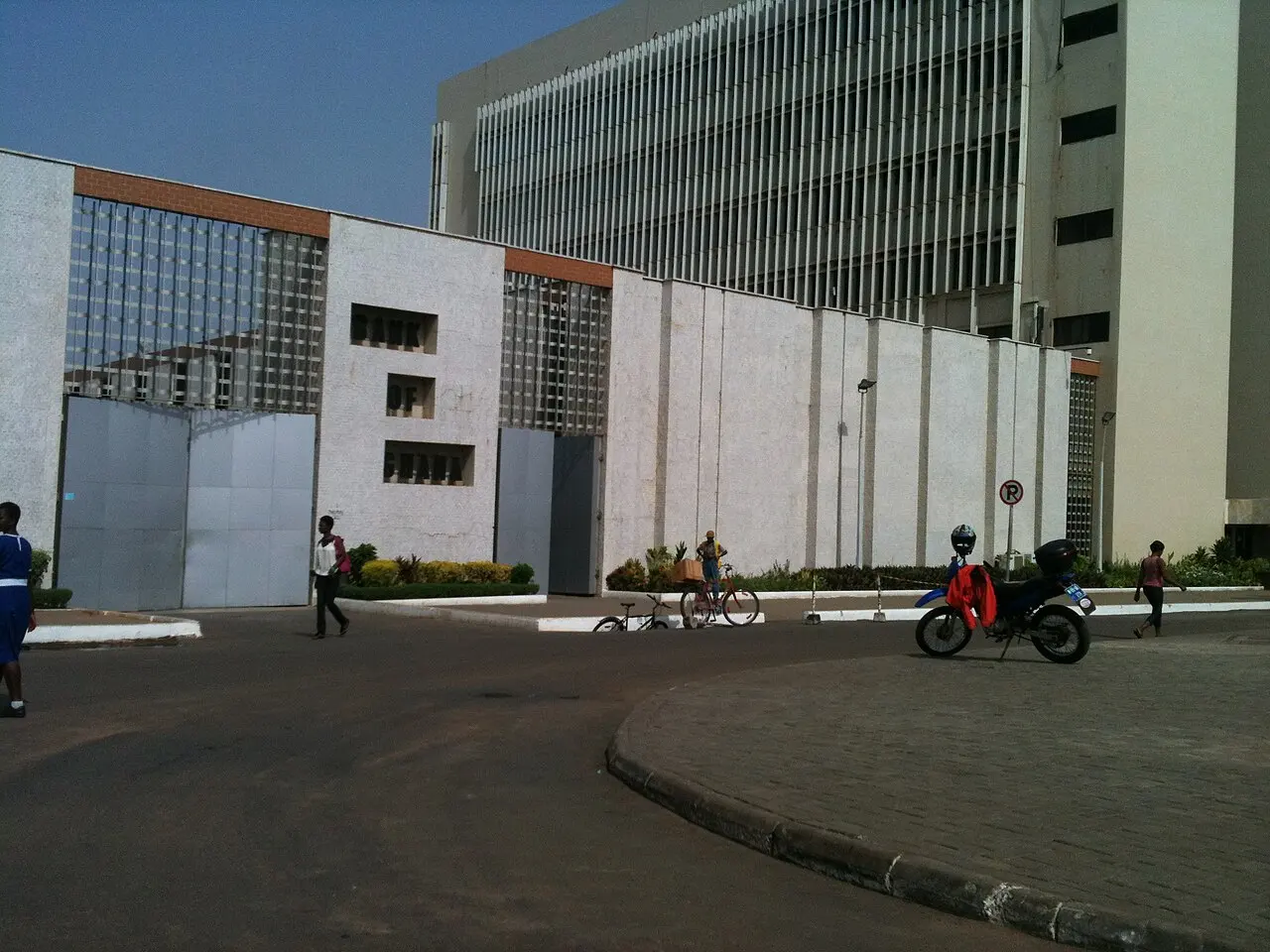
Bank of Ghana Governor Johnson Asiama defended keeping the policy rate at 14% between May and September 2026. He cited external risks and price pressures despite falling inflation, during a parliamentary hearing, according to MyJoyOnline.
Bank of Ghana Governor Johnson Asiama defended before Parliament the decision to keep the policy rate at 14% between May and September 2026, despite falling inflation and improvements in several macroeconomic indicators. He cited external risks, including rising global oil prices, and domestic price pressures, according to MyJoyOnline.
In the first quarter of 2026, Ghana’s gross domestic product grew by 6.4%, while inflation fell to 3.2% in March, below the target range of 6 to 10%, Johnson Asiama said. The country recorded a trade surplus of $8.81 billion and a current account surplus of $5.1 billion, while international reserves reached $12.94 billion, equivalent to five months of import cover.
In the banking sector, the average lending rate fell from 27% to 15.6% and credit to the private sector increased by 41.2%. Bank assets rose by 30.7% to 502.4 billion cedis and the capital adequacy ratio reached 20.4%, while non-performing loans fell from 23.1% to 16.1%, MyJoyOnline reports.
The Bank of Ghana also introduced a uniform liquidity reserve ratio of 20% and a rules-based foreign exchange market intervention framework. Its Ghana Accelerated National Reserve Accumulation Programme aims to raise reserves to the equivalent of 15 months of imports by 2028, according to the governor. This development comes after the reduction in lending rates in Ghana reported on 30 October in the decline in lending from 30.25% to 15.78% in less than two years.