Eswatini SMEs weakened by foreign competition and rising costs
By the AFREEQUE newsroom, based on Times of Eswatini
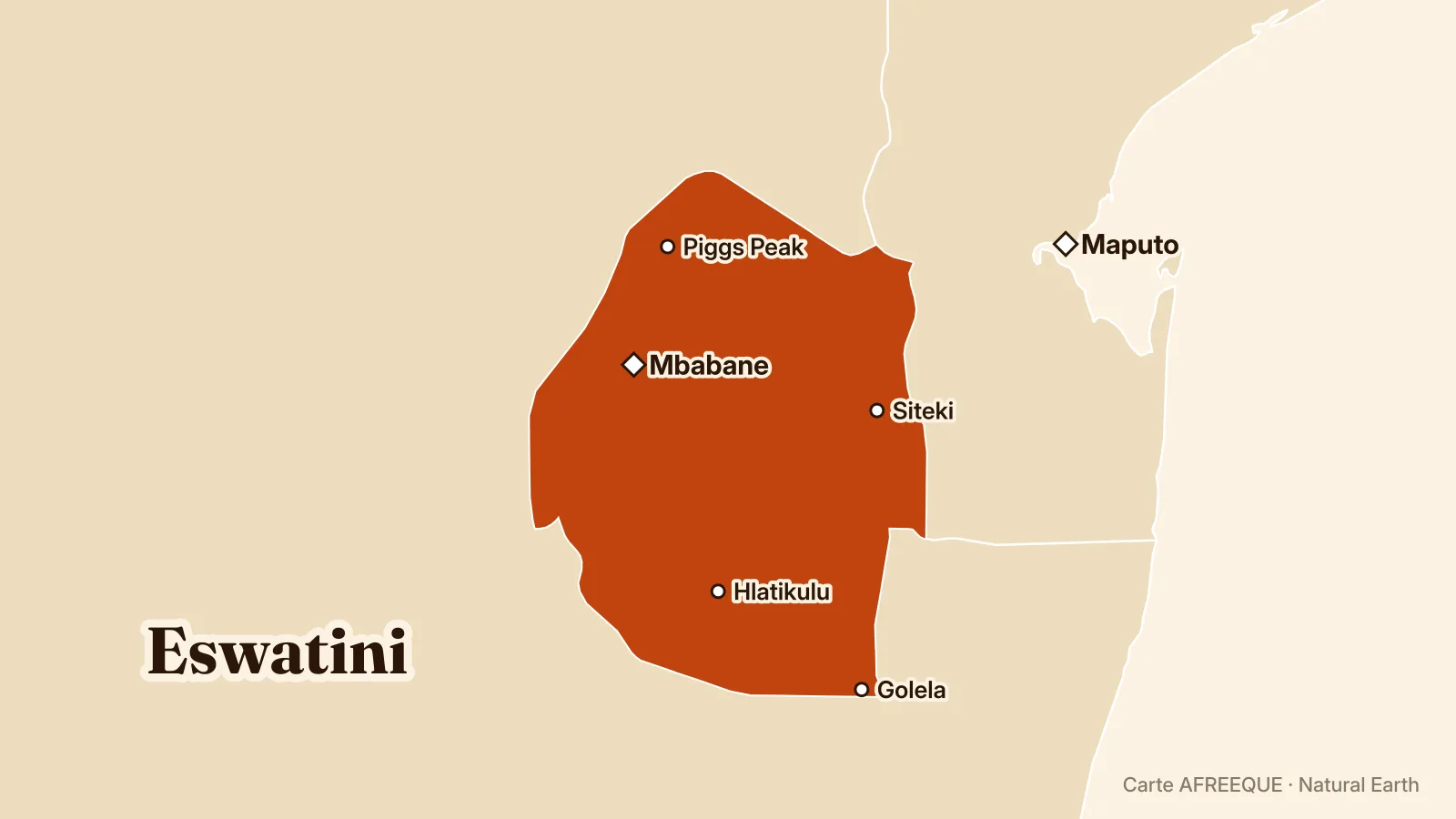
Small and medium-sized enterprises in Eswatini are being weakened by foreign competition, operating costs and a lack of access to finance, economist George H. Choongwa warns. In a policy brief cited by the Times of Eswatini, he also notes that payment delays of at least 30 days are making matters more difficult for local suppliers and calls for stronger public measures.
Local small and medium-sized enterprises (SMEs) in Eswatini are being weakened by competition from foreign companies, rising costs and limited access to finance, economist George H. Choongwa warns in a policy brief published by the Southern African Research Foundation for Economic Development (SARFED), the Times of Eswatini reports. He believes local businesses risk losing ground to competitors with larger business networks and greater access to finance.
SMEs supplying large companies sometimes have to wait at least 30 days to be paid, while continuing to cover their day-to-day expenses and rising raw material prices. Choongwa warns that these delays put pressure on their working capital and can jeopardise the continuation of their activities.
His brief also highlights the pressure of social difficulties: unemployment among 15- to 24-year-olds exceeds 52%. In 2025, about 54% of the population lived below the poverty line of $4.20 a day, calculated using purchasing power parity based on 2021. The country’s Gini index stands at 51.2, reflecting high income inequality.