US excludes South Africa and Rwanda from AGOA
By the AFREEQUE newsroom, based on O País and Premium Times
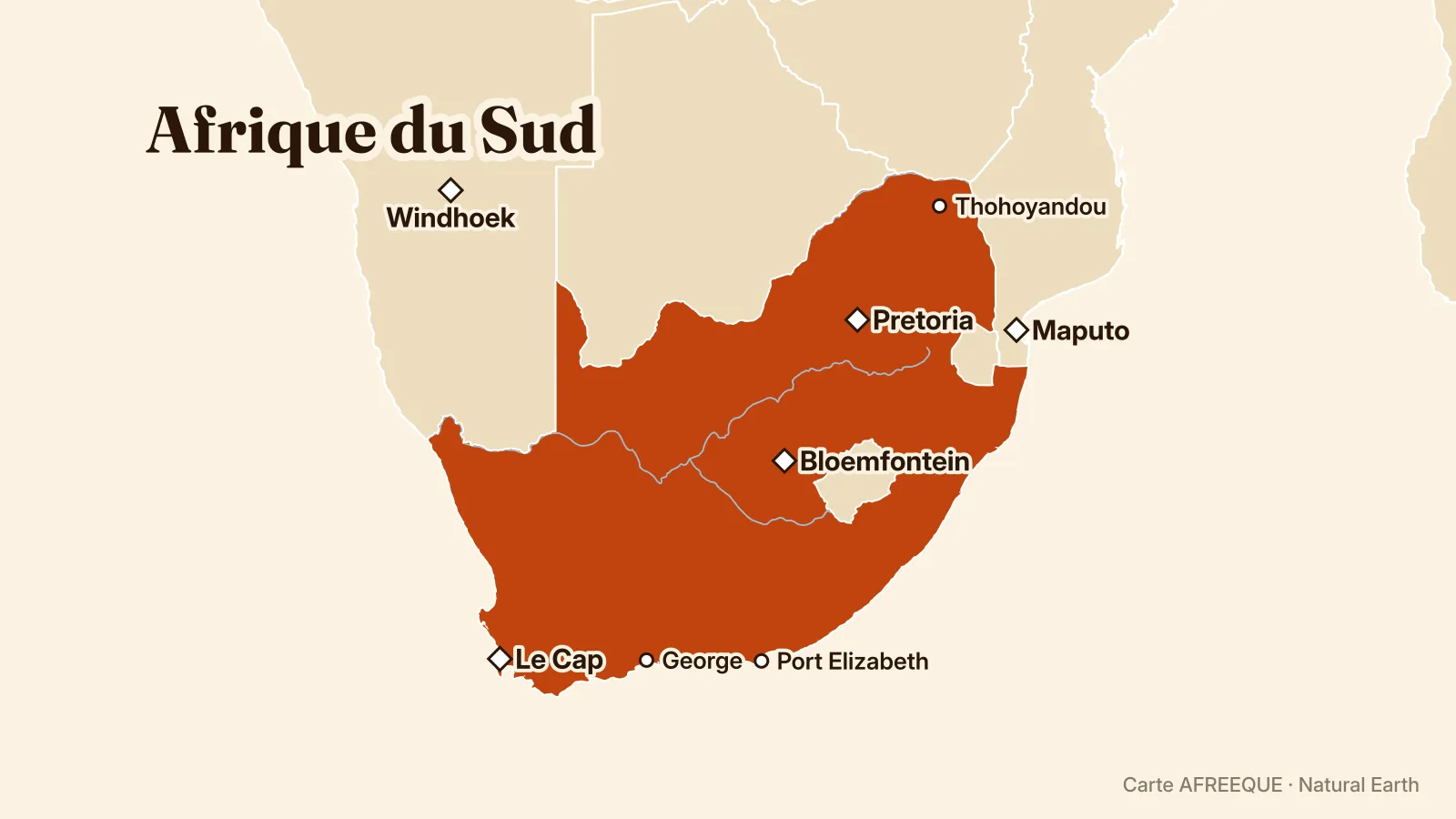
The United States is removing South Africa and Rwanda from AGOA, ending their preferential access to the US market from 1 January 2027, according to O País citing African News and several media outlets. Washington cites trade barriers and security considerations, while the withdrawal comes amid tensions with Pretoria and accusations against Kigali over the M23. France 24 reports fears over jobs and exporters’ margins.
The United States has announced the withdrawal of South Africa and Rwanda from AGOA, ending their duty-free access to the US market from 1 January 2027, according to O País citing African News, as well as Premium Times, Jeune Afrique, Ahora EG and France 24. US Trade Representative Jamieson Greer justified the decision by citing practices deemed incompatible with the programme’s criteria.
Greer referred to barriers affecting US trade and investment, as well as measures presented as a threat to US national security and foreign policy interests. He also described these practices as “concerning and widespread”, Ahora EG reports. AGOA, extended until the end of 2028, provides for an annual review of participating countries’ eligibility.
South Africa, the programme’s main African beneficiary, was already at the centre of diplomatic tensions with Washington after several months of negotiations, according to Jeune Afrique. South African Trade Minister Parks Tau had defended maintaining preferential access, while President Cyril Ramaphosa had asked the country to prepare for an unfavourable outcome. Pretoria announced on 28 October that it intended to diversify its exports amid uncertainty surrounding AGOA.
Rwanda’s exclusion comes as the United States accuses Kigali of supporting the M23, a rebel movement active in eastern DR Congo. Washington sanctioned Rwanda’s Defence Ministry the previous week over alleged links with the group, which the Rwandan government rejects. Rwandan Foreign Minister Olivier Nduhungirehe told AFP that his country should not be made a “scapegoat” and that the situation in the DRC was primarily a matter for Congolese people. South African exporters anticipate job losses and lower margins, while economists consider the overall impact probably limited, France 24 reports. Washington confirmed South Africa’s exit on 2 November, before announcing its withdrawal from the programme on 3 November.