Bluetongue disease spreads among animals in Tunisia
By the AFREEQUE newsroom, based on La Presse de Tunisie
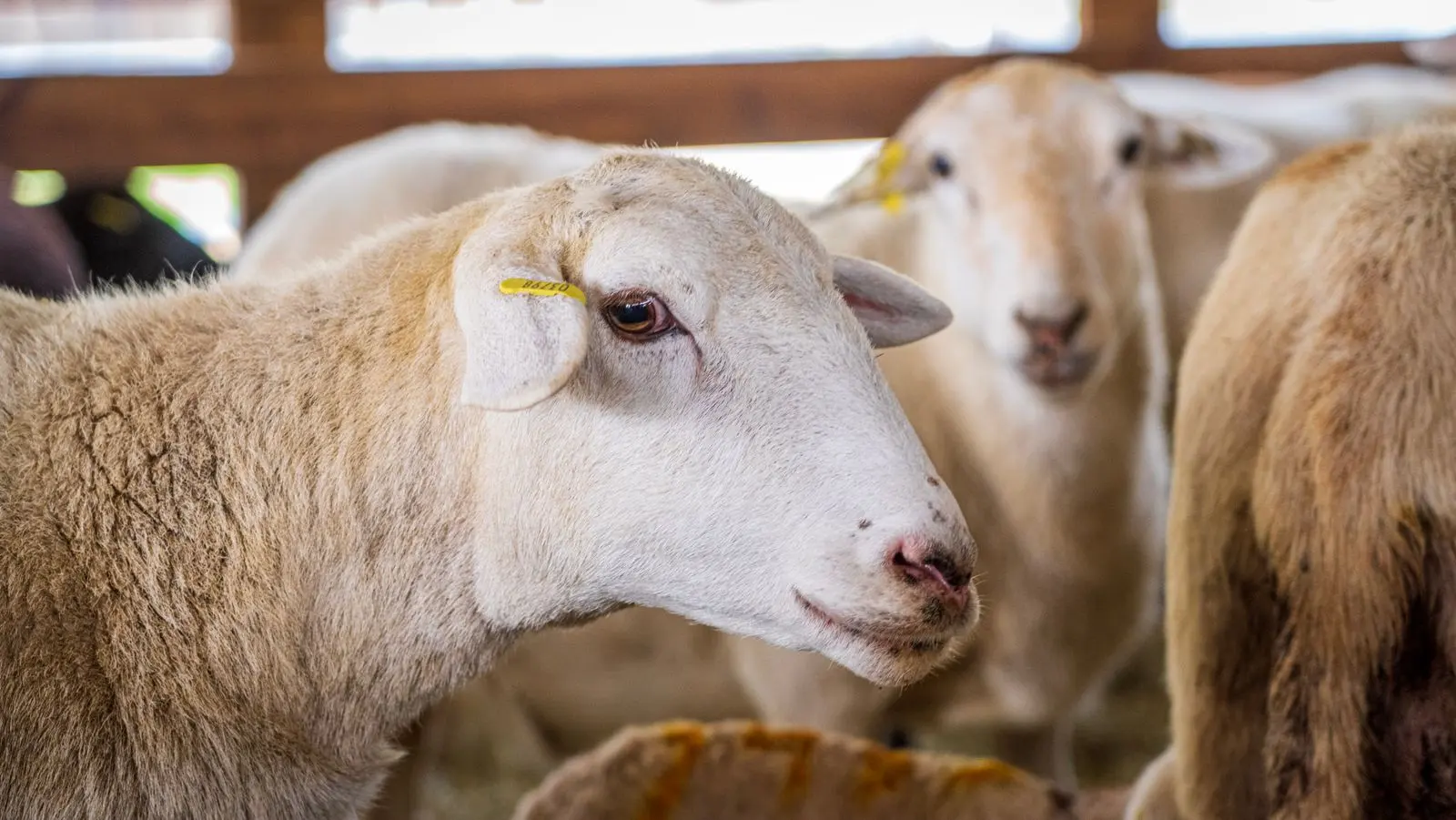 Illustrative image · Mark Stebnicki · Pexels · Licence Pexels
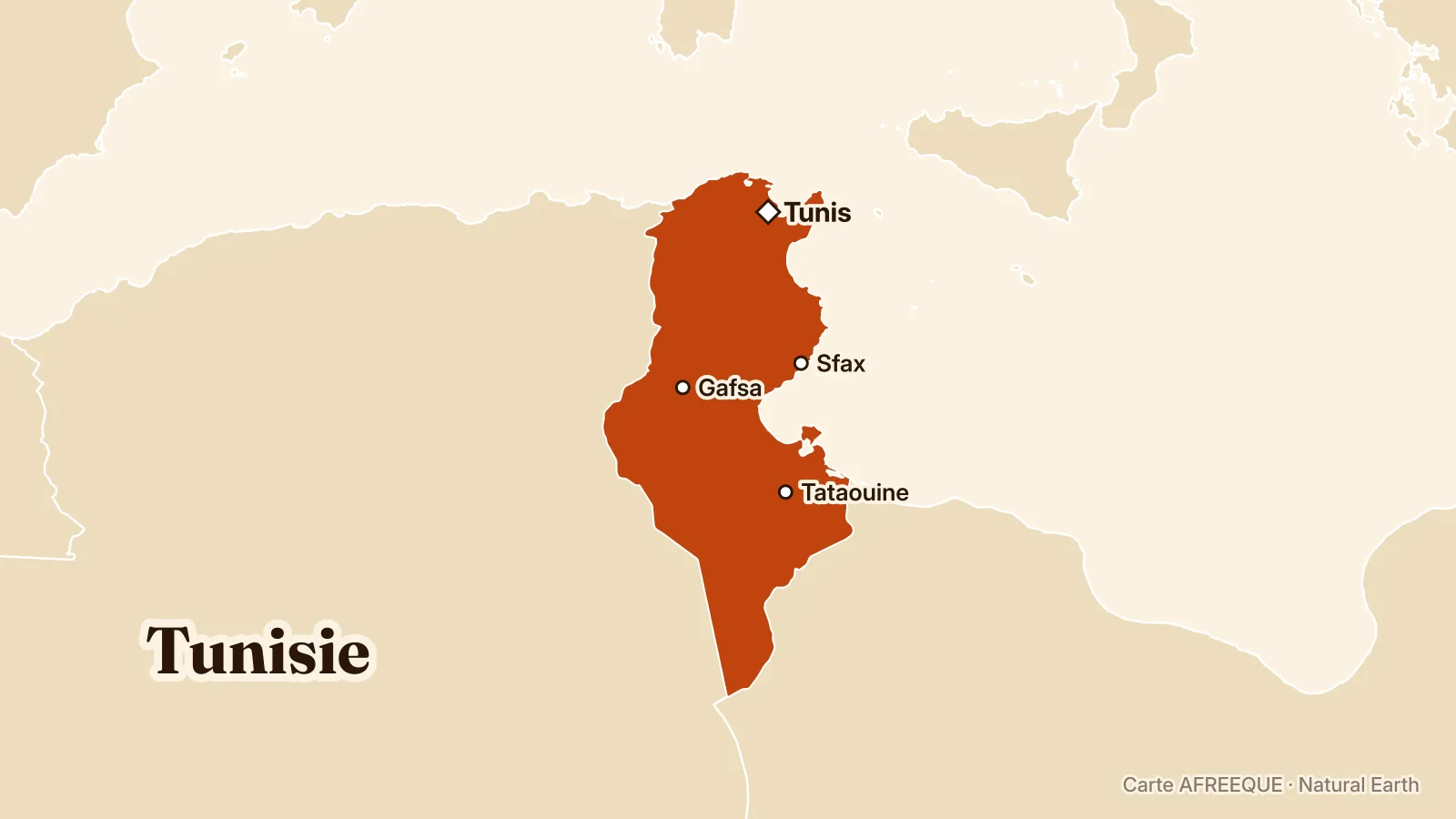
Sheep bluetongue, or bluetongue disease, is resurging in Tunisia, veterinarian Ahmed Rajeb said on 2 November 2026. The virus is transmitted between animals by vector insects, and livestock recovery depends in particular on rapid symptom detection and early veterinary care, he said.
Bluetongue disease, also known as sheep bluetongue, is seeing a resurgence in Tunisia, Ahmed Rajeb, a university hospital veterinary medicine professor, said on Monday 2 November 2026 on Jawhara FM. The disease is not directly contagious between animals: the virus is transmitted by vector insects, whose proliferation is encouraged by mild temperatures and high humidity.
Ahmed Rajeb said that the chances of livestock recovering depend on the rapid detection of the first symptoms and immediate veterinary care. He recalled that slaughtering animals is prohibited outside official abattoirs subject to state health controls.
The specialist called for a coordinated response between sectors under the “One Health” approach, which brings together animal health, human health and the environment. The virus can affect cattle, sheep, goats, deer and camels in particular. It poses no threat to human health or food safety, but can be fatal to livestock and lead to restrictions on the movement and trade of meat.
These details follow a report on the risks of sheep fever in Tunisia, presented on 2 November by another veterinarian. In severe cases, the disease can cause swelling and bluish discolouration of the tongue and mucous membranes, but this sign does not appear in all infected animals.