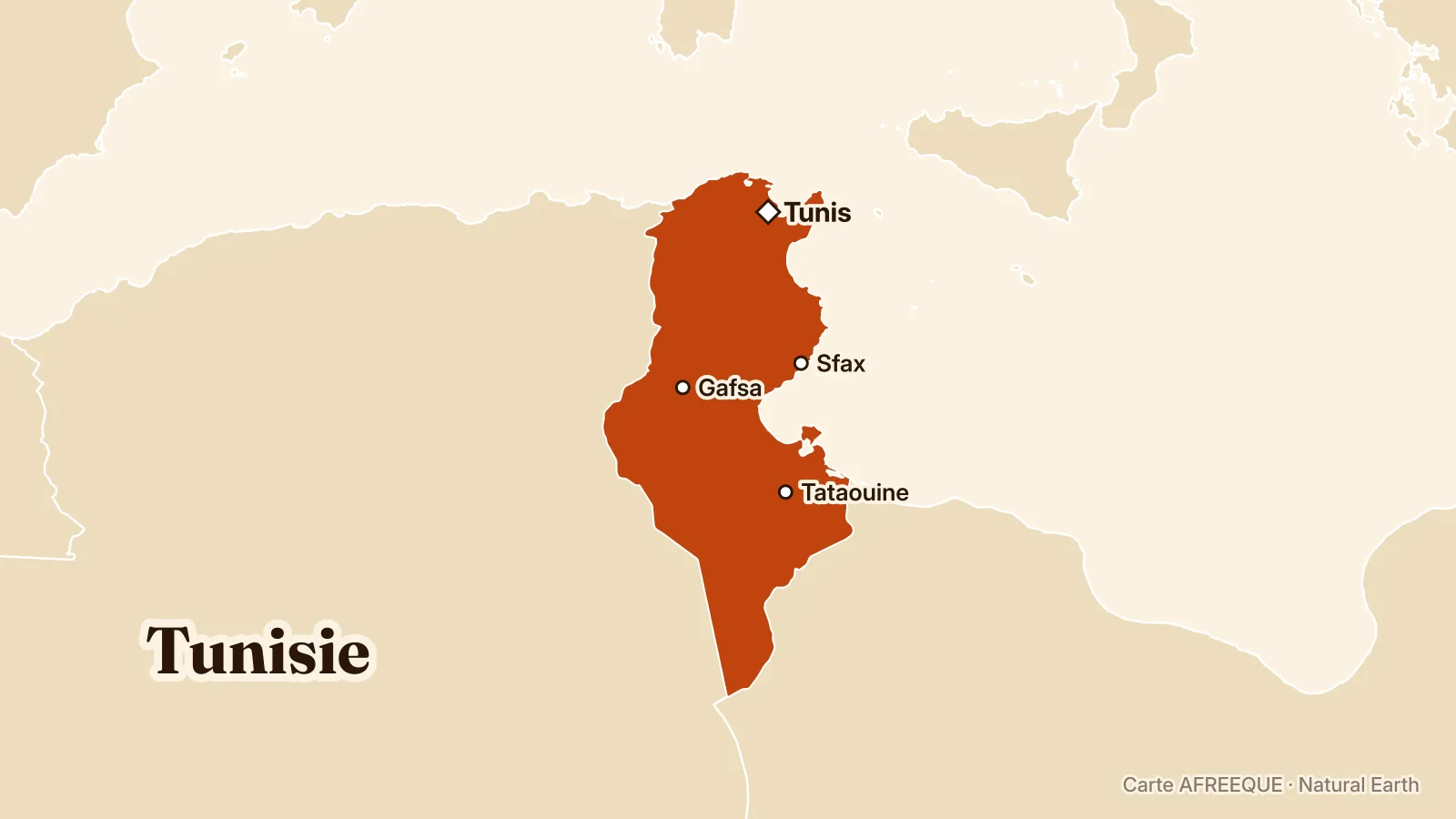
Veterinarian outlines bluetongue risks in Tunisia
By the AFREEQUE newsroom, based on Business News
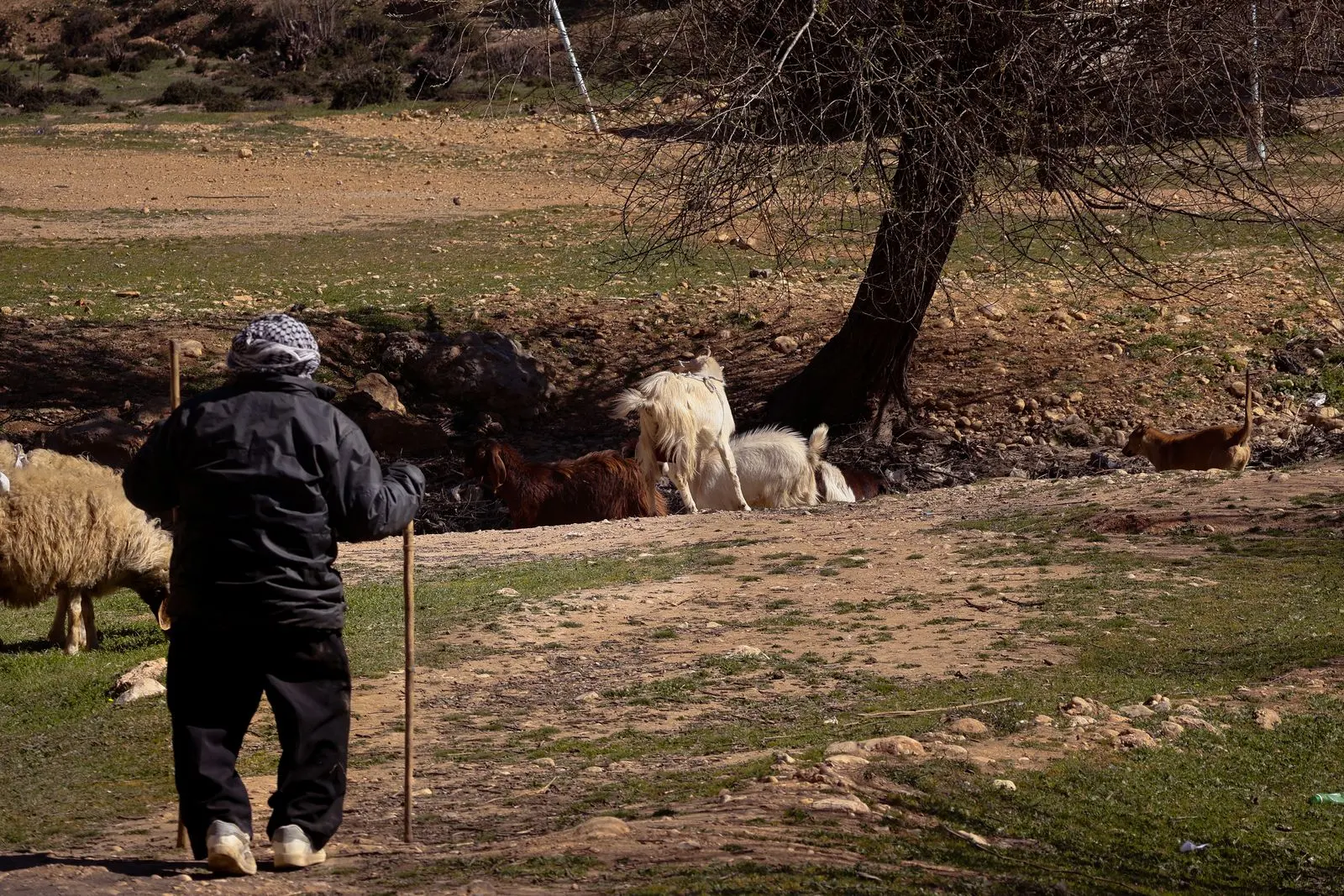 Illustrative image · Sami Raad · Pexels · Licence Pexels
Bluetongue, spread by midges of the Culicoides genus, affects ruminants but poses no danger to humans. Veterinarian Ahmed Rejeb said humidity and rising temperatures encourage the insect vectors, during an appearance on Jawhara FM on 2 November 2026.
Veterinarian Ahmed Rejeb said bluetongue, also known as blue tongue disease, is not transmitted directly between animals. The virus is spread by biting midges of the Culicoides genus, which carry it from an infected animal to a healthy one, he said on Jawhara FM on Monday 2 November 2026. The disease is not dangerous to humans, but can affect sheep, cattle and goats.
Ahmed Rejeb, president of the National Council of the Order of Veterinary Surgeons, said humidity and rising temperatures encourage the multiplication of insect vectors. Signs to watch for include fever, loss of appetite, reduced water consumption and general weakness. Lesions in the mouth and tongue, excessive salivation, difficulty feeding and movement disorders can also occur, according to the veterinarian.
The severity of the infection depends in particular on the animal’s immune status. Ahmed Rejeb stressed the need for early veterinary intervention to limit the impact on livestock farms, according to his appearance on Jawhara FM.