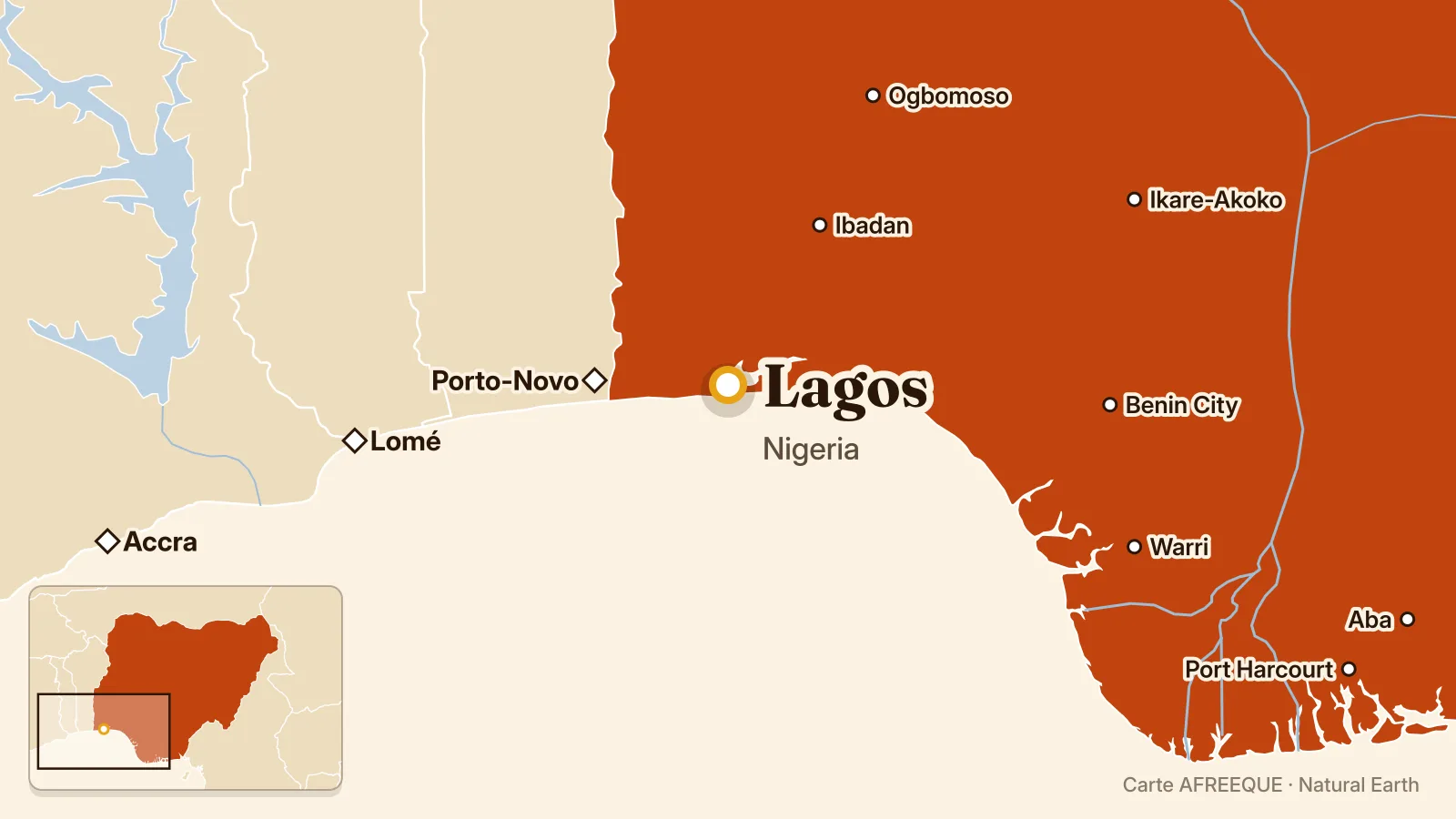
82.9% of uneducated Nigerian adults live in poverty
By the AFREEQUE newsroom, based on Punch
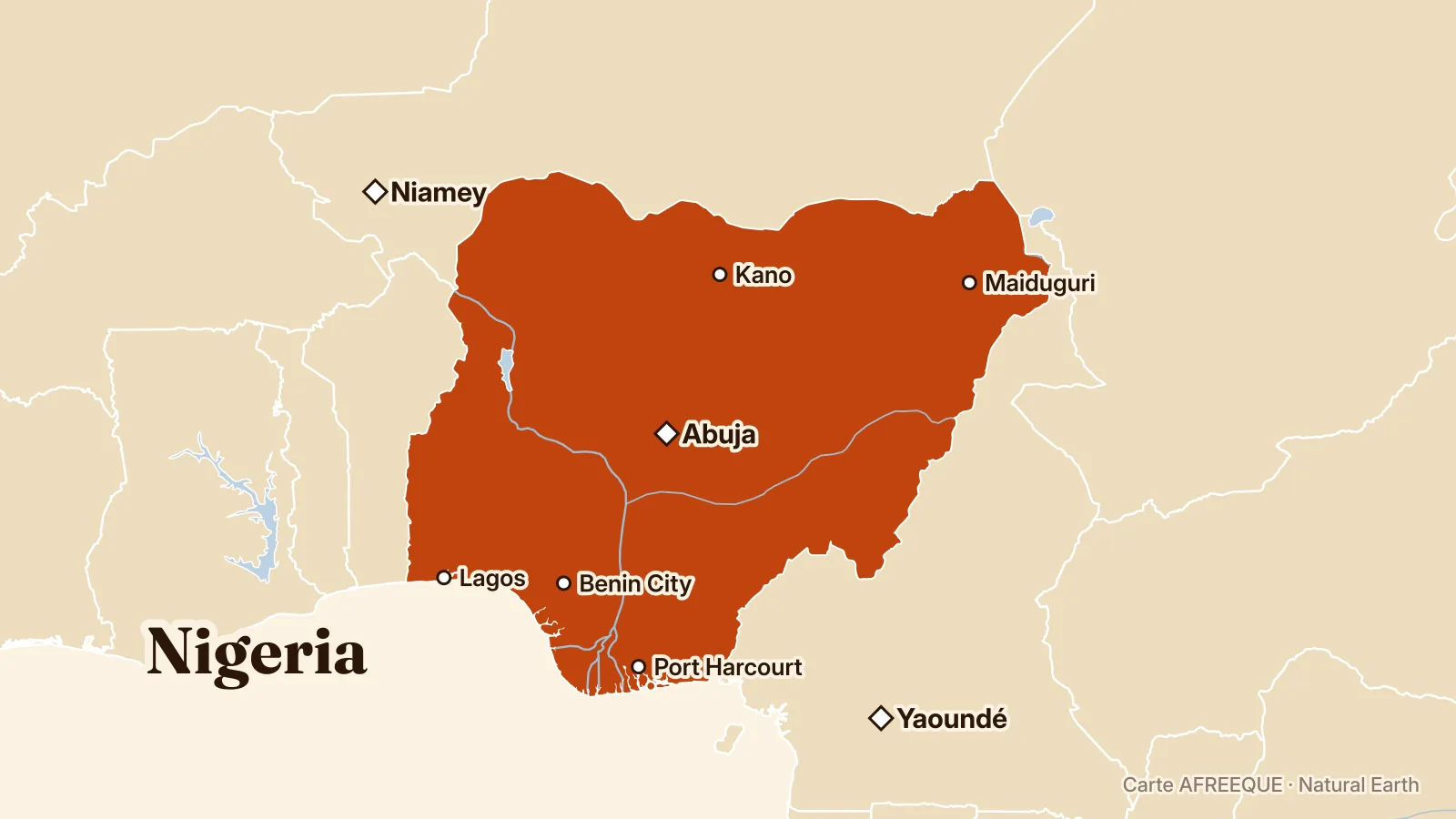
In Nigeria, 82.9% of people aged 16 or over with no formal education live below the $4.20-a-day poverty line, compared with 26.6% of higher-education graduates. The gap is 56.3 percentage points, according to the World Bank’s analysis of its October 2026 report based on a 2022 survey.
In Nigeria, 82.9% of people aged 16 or over with no formal education live below the poverty line of $4.20 per person per day, according to the World Bank. The figure is based on a household survey conducted in 2022 and appears in the institution’s October 2026 report on poverty and equity in Nigeria, analysed by Punch.
The proportion falls to 26.6% among people who have completed higher education, a gap of 56.3 percentage points. It stands at 60.9% for people who have completed primary education and 51.6% for those who have finished secondary education. Poverty is therefore more than three times as common among people with no formal education as among those who pursued higher education.
Education does not, however, guarantee living above the threshold: more than half of those who have completed secondary education and more than a quarter of higher-education graduates remain poor. The World Bank also notes a significant difference by age: 73% of children aged zero to 14 are poor, compared with 58.1% of 15- to 64-year-olds and 47.1% of people aged 65 and over.
Poverty affects 64.3% of women and 63.7% of men. In addition, 19.4% of Nigerians live in households where no adult has completed primary education.