World Bank links high electricity costs to opaque Kenyan contracts
By the AFREEQUE newsroom, based on Kenyans.co.ke
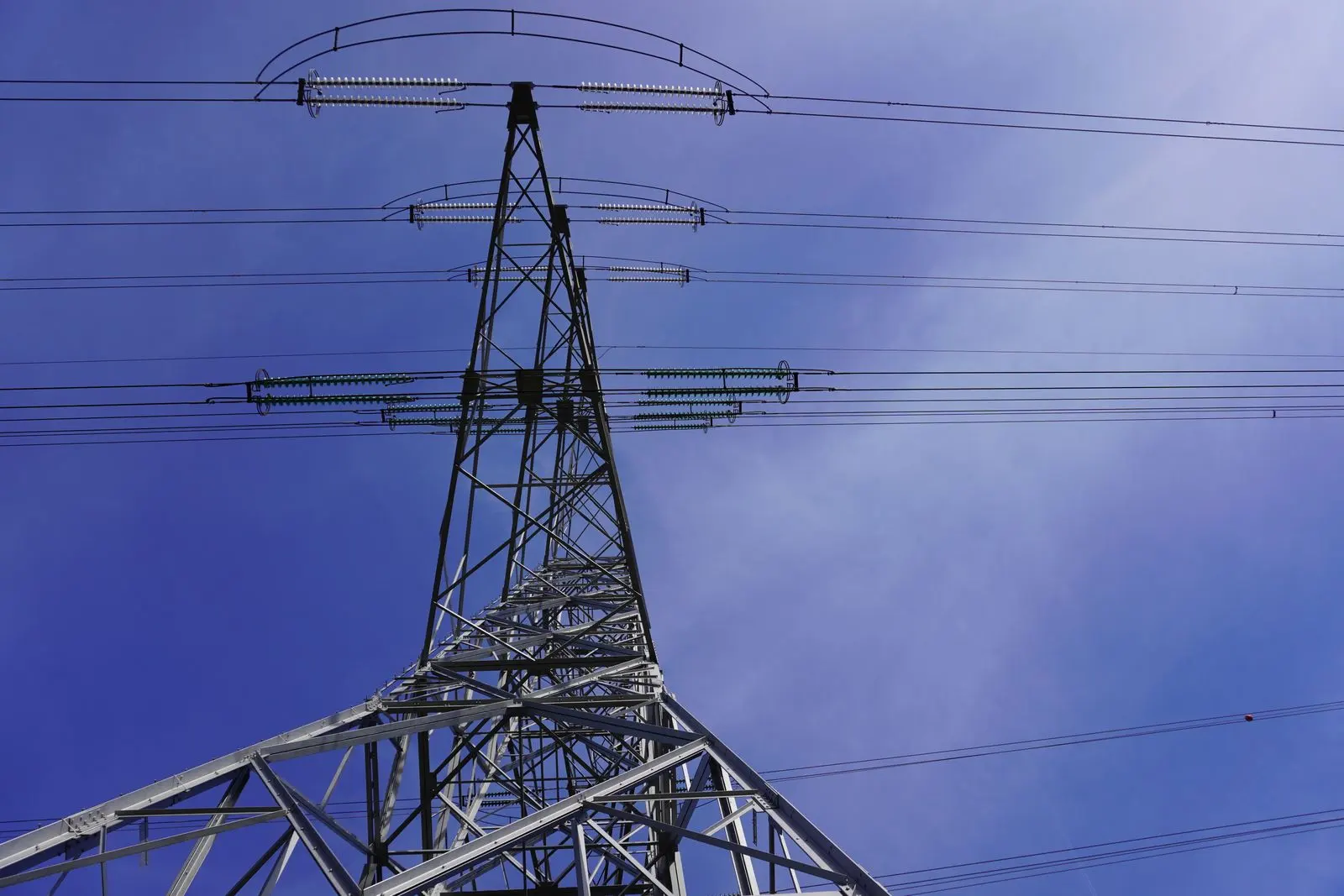 Illustrative image · Budget Bizar · Pexels · Licence Pexels
The World Bank says Kenyan businesses pay nearly 50% more for electricity than those in Uganda and more than twice as much as those in Vietnam, with an average rate of 22.60 shillings per kilowatt-hour. It links these costs to opaque purchase contracts and limited use of competitive tendering, according to its November 2026 economic report.
Kenyan businesses pay an average of 22.60 shillings per kilowatt-hour, nearly 50% more than their Ugandan counterparts and more than twice the rate in Vietnam, according to the World Bank in its November 2026 Kenya economic update. The average cost is 15.20 shillings in Uganda and 10.10 shillings in Vietnam.
The World Bank attributes these differences to costly and opaque electricity purchase contracts, as well as governance problems in the energy sector. Of the 42 contracts signed by Kenya Power, the Kenyan state-owned electricity company, only 24% were concluded following competitive tendering.
Some agreements guarantee independent producers payments even when the electricity produced is not fully used. The World Bank also reports suspected conflicts of interest, with officials participating in the approval of projects before joining or owning electricity-generation companies.
Kenyan households pay an average of 28.40 shillings per kilowatt-hour, compared with 22.20 in Uganda, 15.40 in Morocco and 10.10 in Vietnam. The country also loses more than 23% of the electricity generated before it reaches consumers, despite importing electricity from Uganda and Ethiopia.
The high cost of electricity continues to hurt businesses, according to the World Bank. The analysis comes after Kenya Power’s planned power cuts in 13 counties, announced on 20 October 2026.