Regional monitoring tracks factory ships in Bijagos
By the AFREEQUE newsroom, based on Senego
The Sub-Regional Fisheries Commission and Global Fishing Watch announced a partnership in Dakar to better identify industrial vessels that switch off their signal or enter protected areas. The seven member countries will be able to cross-reference satellite, AIS and VMS data to detect suspicious activities, according to Senego.
The Sub-Regional Fisheries Commission (SRFC) and Global Fishing Watch have announced in Dakar a partnership to strengthen monitoring of industrial fleets in the waters of their seven member states, where 20% of the world’s illegal fishing is concentrated, according to Senego.
Authorities will be able to cross-reference satellite data with signals from AIS and VMS systems, licence registers and vessel trajectories to identify unauthorised fishing, out-of-season activities and transshipments at sea. The tools presented by Capmad also estimate fishing activity based on speed, trajectories and the gear used, while deep-learning models analyse radar and optical images to detect vessels that have stopped transmitting a signal.
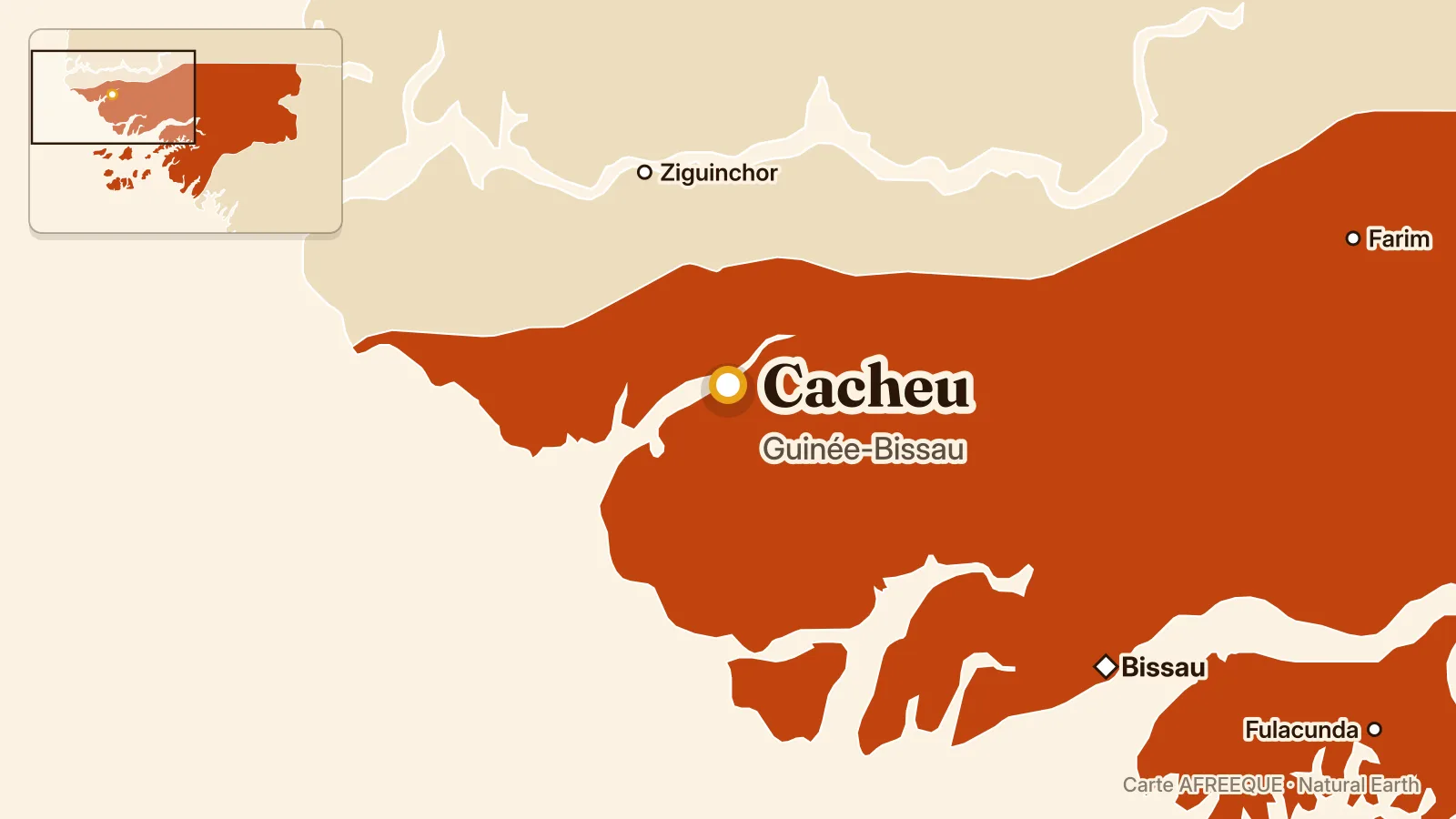
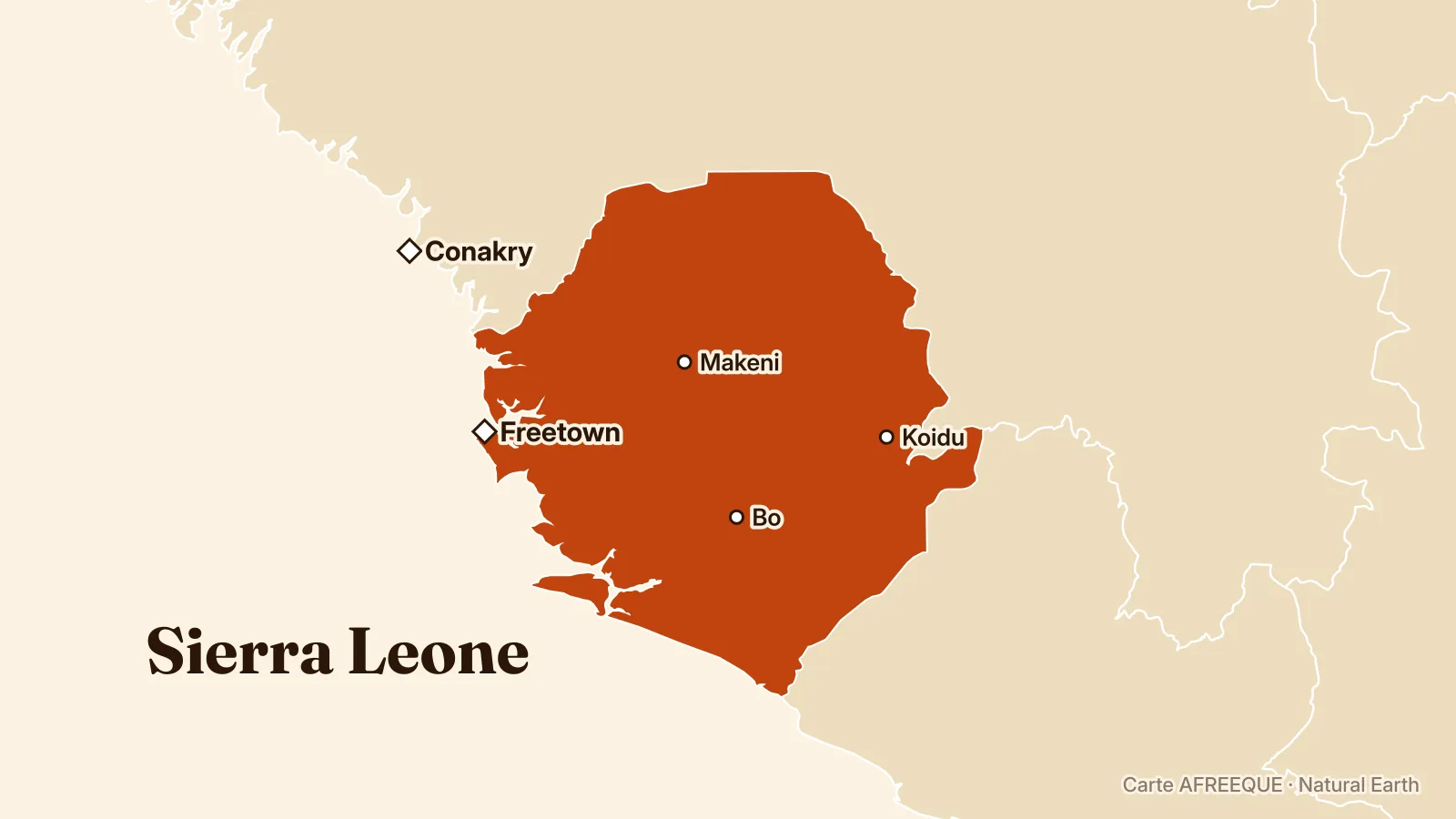
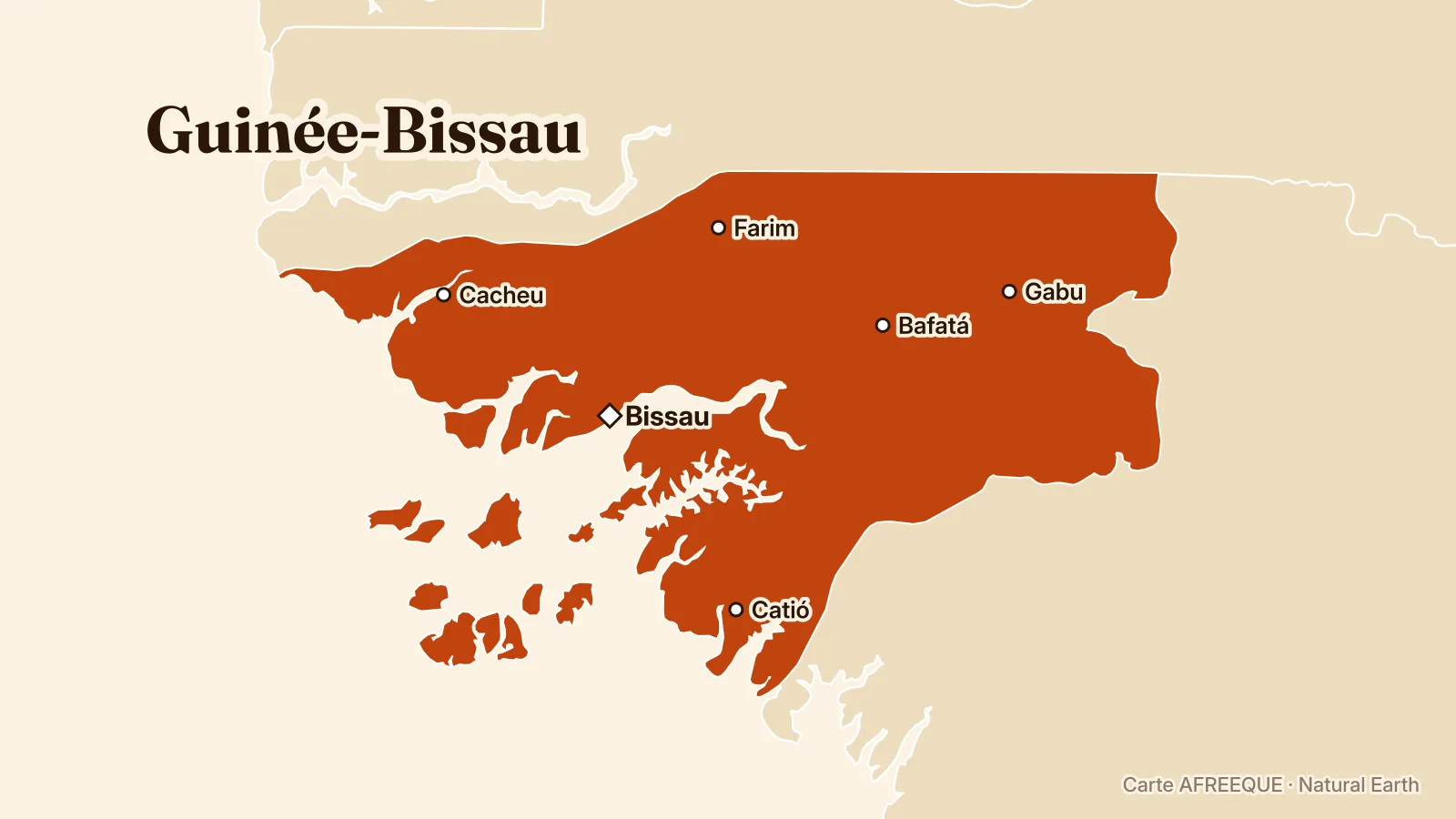
Senegal, Sierra Leone, Liberia and Cape Verde are already testing this data cross-referencing in a World Bank-supported regional programme. In Guinea-Bissau, investigations have described factory ships regularly switching off their AIS near the Bijagos archipelago’s marine protected areas, to supply fishmeal and fish oil from catches that are important to coastal communities.
The West Africa Task Force, which includes Stop Illegal Fishing and TM-Tracking, already shares information on active vessels, high-risk operators and inspection results. This regional mechanism complements European aid announced on 1 October to combat illegal fishing in Guinea-Bissau.