Nigeria secures reduced air freight rates to five African markets
By the AFREEQUE newsroom, based on Business Day Nigeria
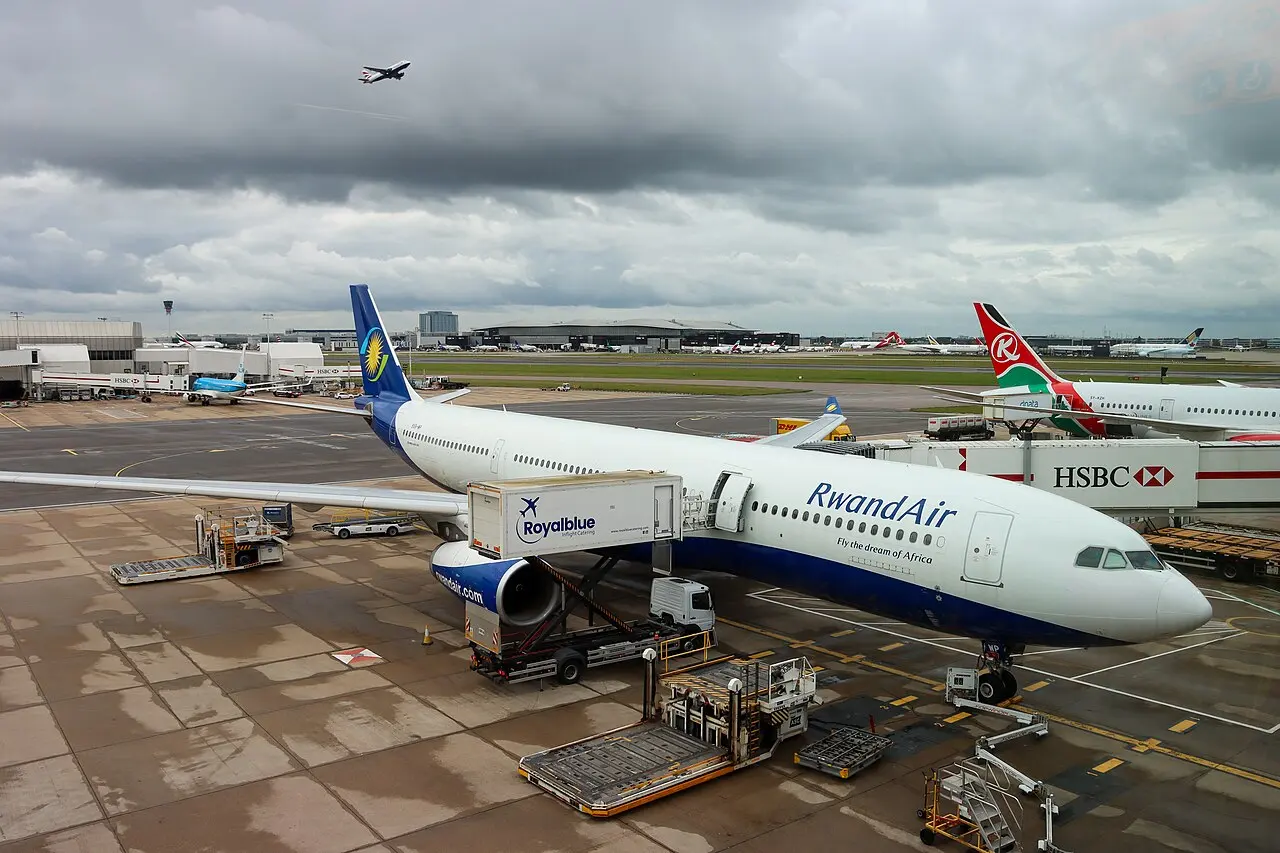
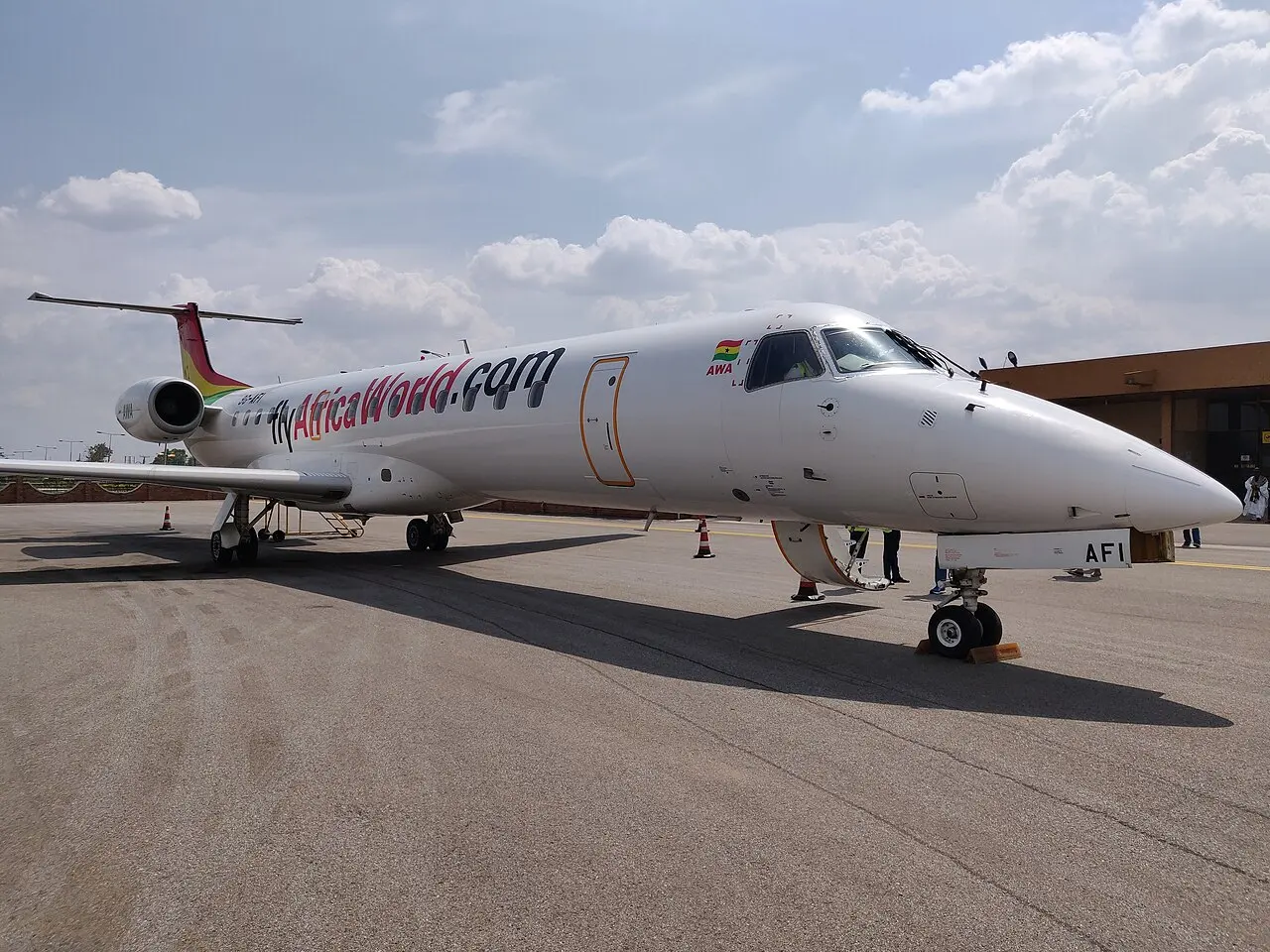
Nigeria and RwandAir have established a three-year roadmap for an air freight corridor linking Lagos to five African destinations. Rates of $1.20 to $1.90 per kilogram are intended to reduce Nigerian export costs, according to BusinessDay and the officials cited.
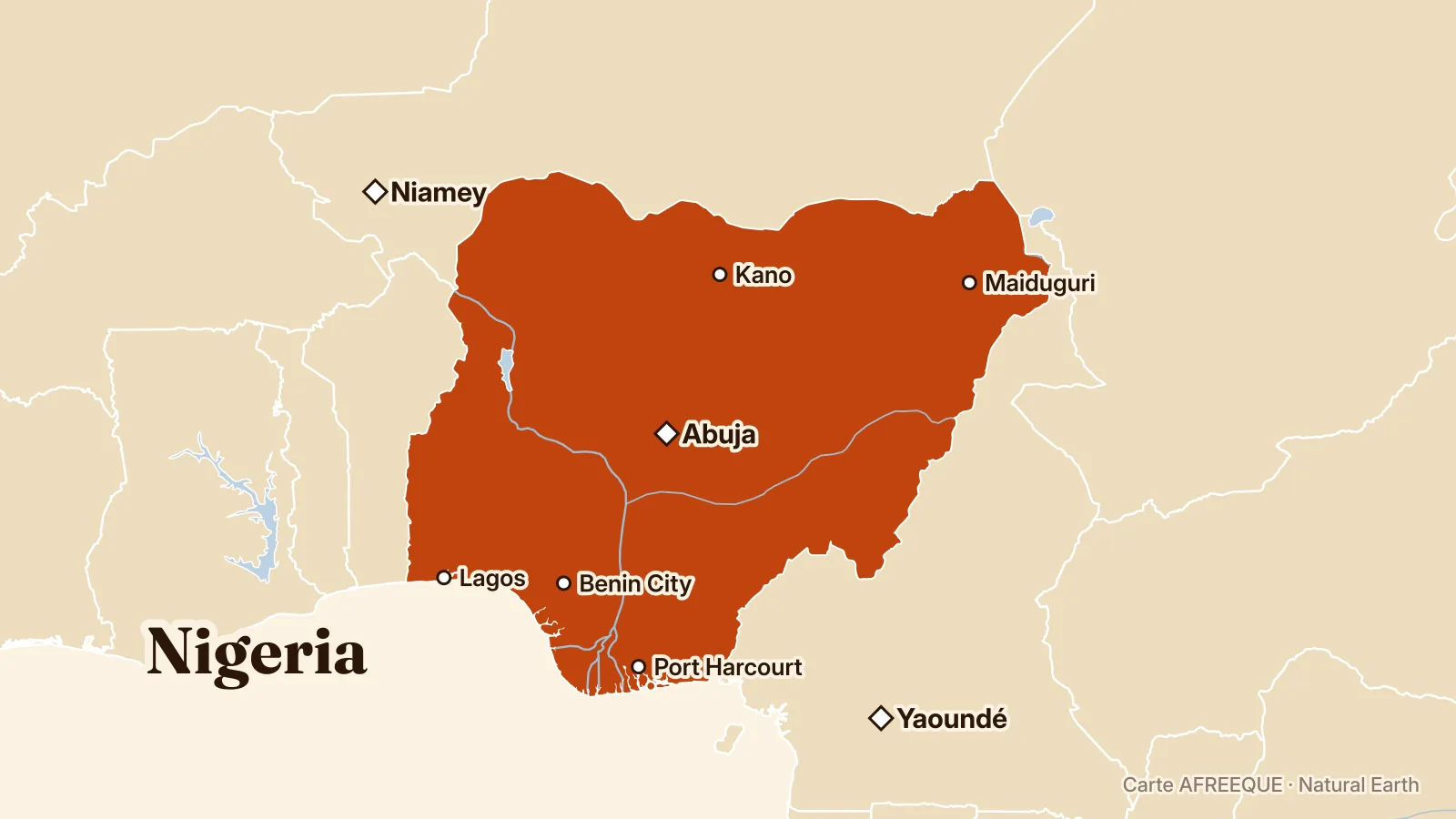
Nigeria and Rwanda have signed a three-year operational agreement to reduce the cost of air freight to five African markets. The roadmap for the air freight corridor between Nigeria, East Africa and Southern Africa was signed on Friday in Lagos by RwandAir and Nigeria's Federal Ministry of Industry, Trade and Investment during CANEX WKND 2026. The scheme links Lagos to Kigali, Nairobi, Johannesburg, Harare and Lusaka, with rates ranging from $1.20 to $1.90 per kilogram, according to BusinessDay.
Prices vary according to destination and shipment volume. Transport to Kigali costs $1.40 per kilogram for consignments of less than 1,000 kg and $1.20 above that threshold. Rates to Johannesburg range from $1.70 to $1.90, while those to Nairobi, Lusaka and Harare range from $1.50 to $1.80. Nigeria's Minister of Industry, Trade and Investment, Jumoke Oduwole, said exporters had previously paid between $3 and $10 per kilogram to ship their goods to other African markets.
The negotiated rates do not, however, cover all shipping costs. Exporters must also pay applicable minimum charges, $15 for the air waybill, handling, customs clearance and other regulatory fees. They must obtain an AfCFTA certificate of origin from the Nigerian customs service to benefit from the scheme.
The first shipment left Nigeria on 19 June 2026, with nine exporters serving four destinations. Minister Jumoke Oduwole said the programme had completed a four-month pilot phase. Moses Rugema, Rwanda's high commissioner to Nigeria, reported nearly 20 shipments since the launch. The total volume and value of goods transported remain to be established. The two countries also plan to work on mutually beneficial rates and distribution challenges.
The agreement is part of the export development strategy advocated by Nigerian President Bola Tinubu. On 7 November, his ambitions for an export-oriented Nigerian economy had already been presented.