Ebola puts Nigeria’s electoral safeguards under scrutiny
By the AFREEQUE newsroom, based on Businessday
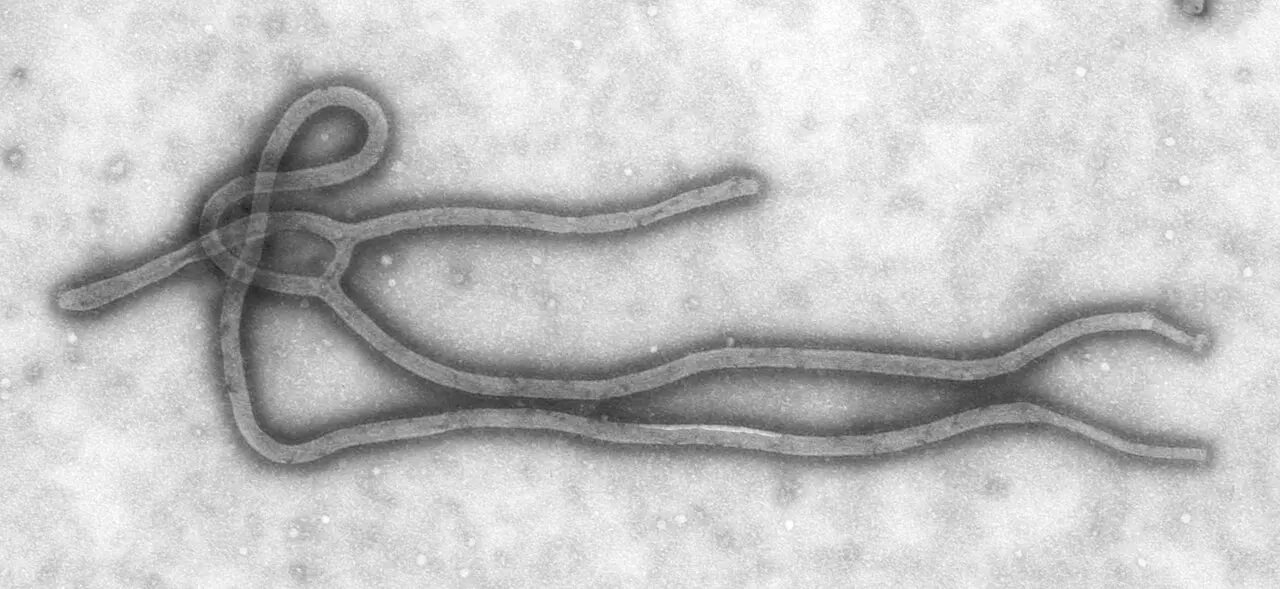
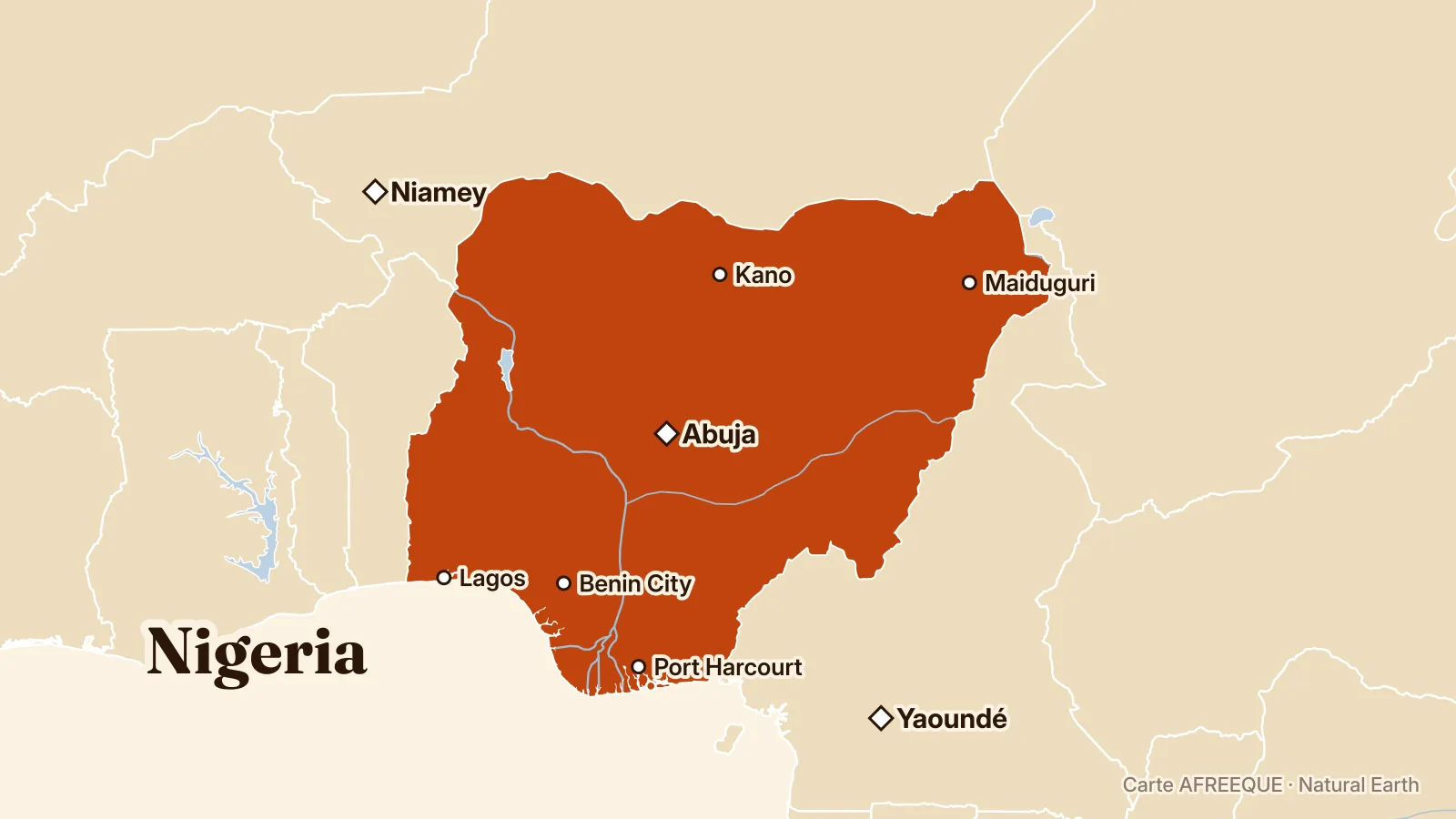
Nigeria’s first Ebola case, detected in Abuja in a traveller from Uganda, has raised questions about protecting campaigning and electoral participation in 2027. Nigeria’s electoral commission has not changed the timetable, while authorities are monitoring 44 contacts and strengthening health measures, BusinessDay reports.
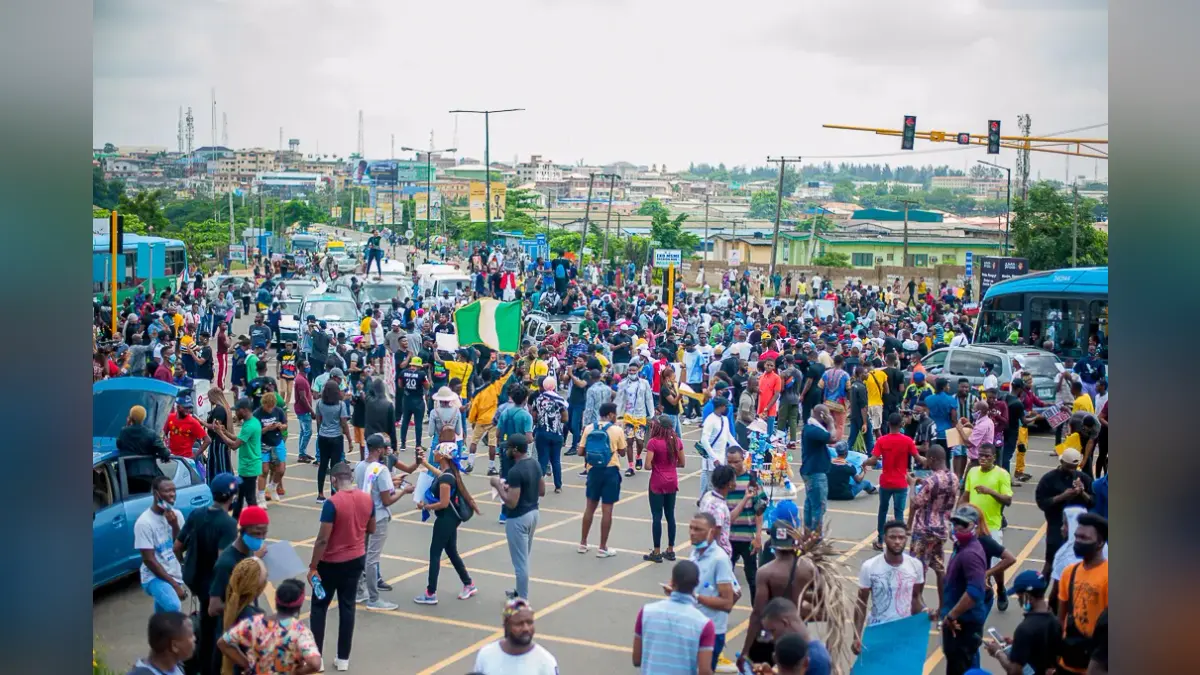
Nigerian electoral experts are calling on the Independent National Electoral Commission (INEC) and the government to prepare an Ebola response without restricting political rights, as the country heads towards the 2027 general elections, BusinessDay reports. The introduction of health measures could affect campaigning, voter mobilisation and participation, even though INEC has announced no changes to the electoral timetable.
The federal government confirmed on 20 October that a woman who had recently arrived from Uganda had tested positive for the Bundibugyo strain of the Ebola virus. She was isolated in a private hospital in the Federal Capital Territory, while 44 people who had been in contact with her were being monitored. The Nigeria Centre for Disease Control activated its crisis management system and strengthened contact tracing and infection prevention measures.
The presidential and legislative elections are scheduled for 16 January 2027, and the governorship and state assembly elections for 6 February. Phrank Shaibu, director of strategic communications for the African Democratic Congress presidential campaign council, warned that the outbreak must not be used to limit political competition. He called for any health measure to be based on medical evidence and applied fairly.
The Abuja patient had shown signs of recovery, according to an update on her condition published on 22 October. The political response to the outbreak also included a call by Atiku Abubakar on 21 October for an audit of the 10 billion naira allocated to the fight against Ebola.