Drought could cut Tunisia’s GDP by 11% by 2050
By the AFREEQUE newsroom, based on Tunisia Online
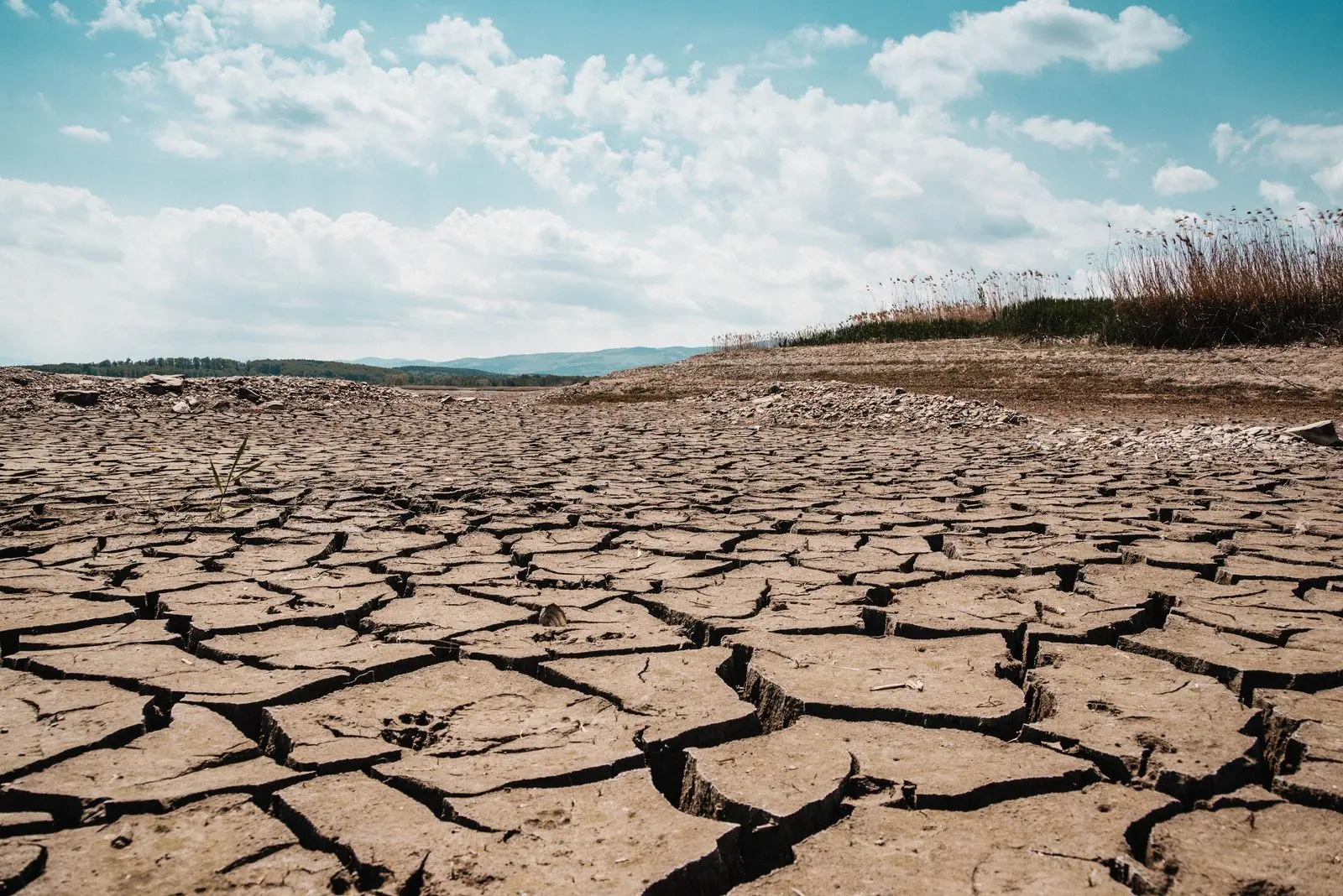 Illustrative image · Dominika P · Pexels · Licence Pexels
Drought could cut Tunisia’s nominal GDP by 4% to 11% by 2050, eliminate 216,000 agricultural jobs and push unemployment above 17%. Rising imports and external deficits would worsen dinar depreciation and inflation, according to an ITCEQ study conducted with the French Development Agency.
Drought could reduce Tunisia’s nominal gross domestic product by 4% to 11% by 2050, according to a study by the Tunisian Institute of Competitiveness and Quantitative Studies (ITCEQ), conducted with the French Development Agency. The most severe scenario also forecasts the destruction of 216,000 agricultural jobs and an unemployment rate above 17%.
Lower date and olive oil harvests would increase food imports and widen the trade deficit to 10.4% or 13.7% of GDP, compared with 8.9% under the baseline scenario. The current account deficit would reach 7.3% to 11% of GDP depending on global food price trends, according to the study on the GEMMES Tunisia macroeconomic model.
The model forecasts an annual contraction of 0.5% in agricultural output. Falling tax revenues, rising social transfers and borrowing in foreign currencies could accelerate the depreciation of the dinar and inflation, according to the ITCEQ and the French Development Agency.
The study compares two scenarios of high global food inflation, at 3% and 5.5%, with a baseline trajectory based on annual agricultural growth of 1.2%. It estimates that poorly designed adaptation measures could entail a financial cost close to that of climate inaction.
These projections come as the 2027 Tunisian budget sets three priorities in response to public debt announced at 85% of GDP. They highlight the additional pressure that climate shocks could place on public finances.