Dangote’s Lamu refinery cleared of public-private partnership challenge
By the AFREEQUE newsroom, based on Leadership
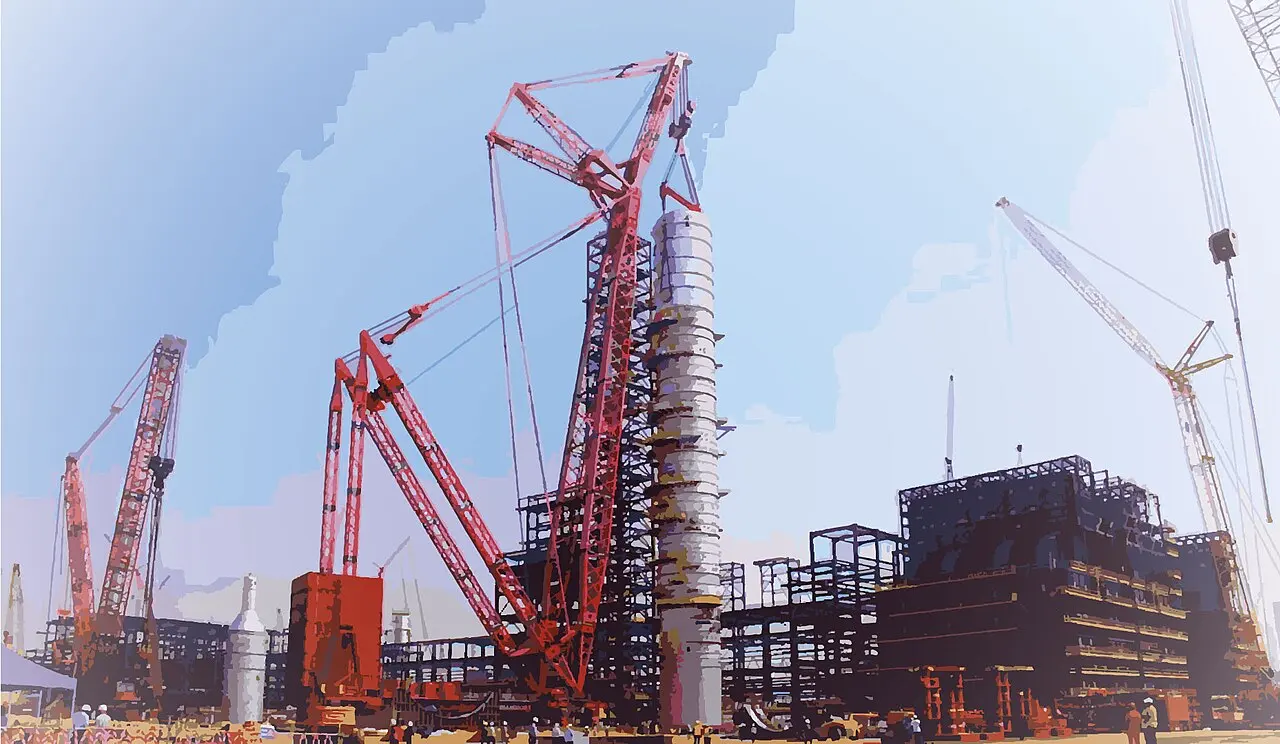
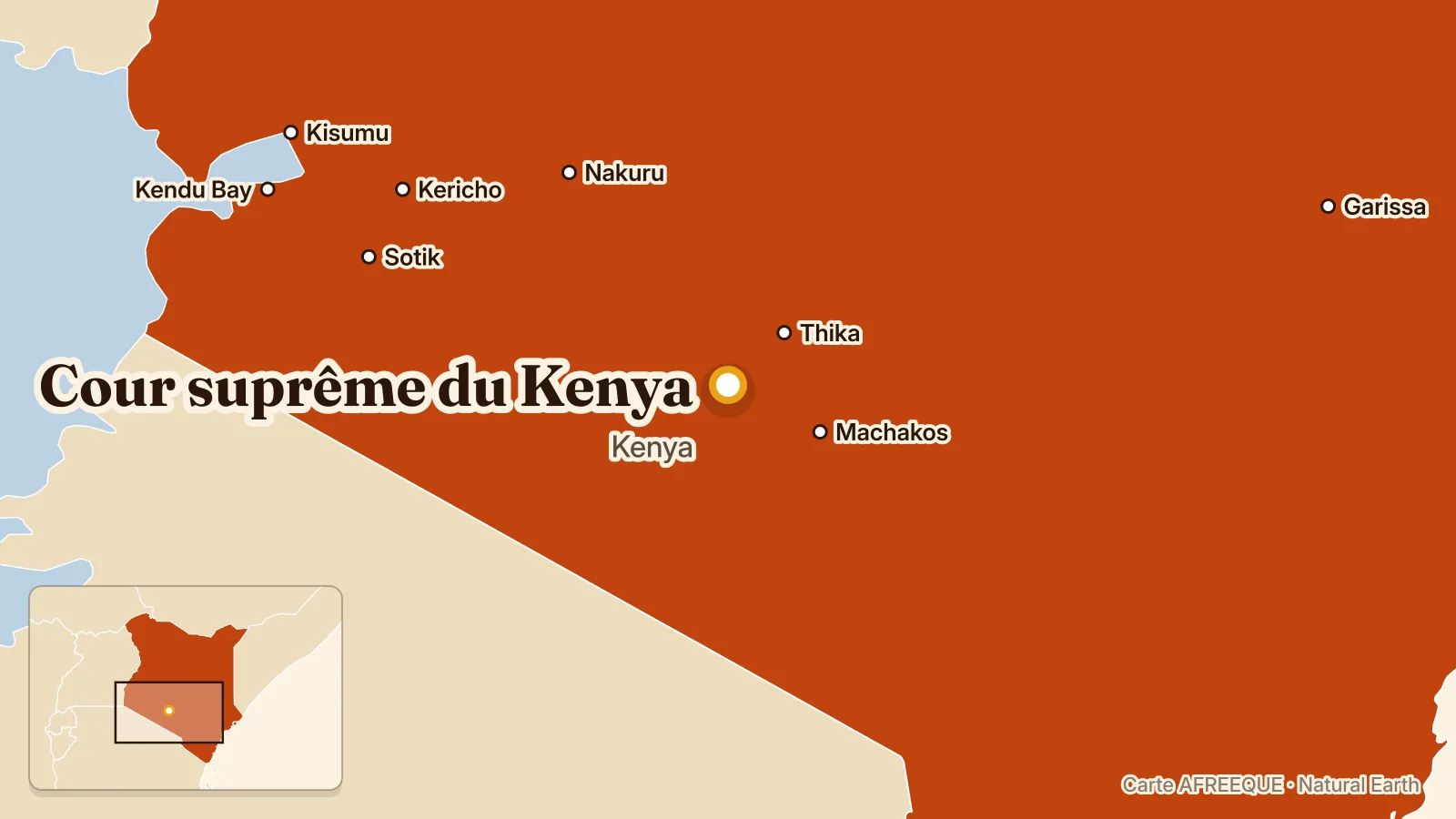
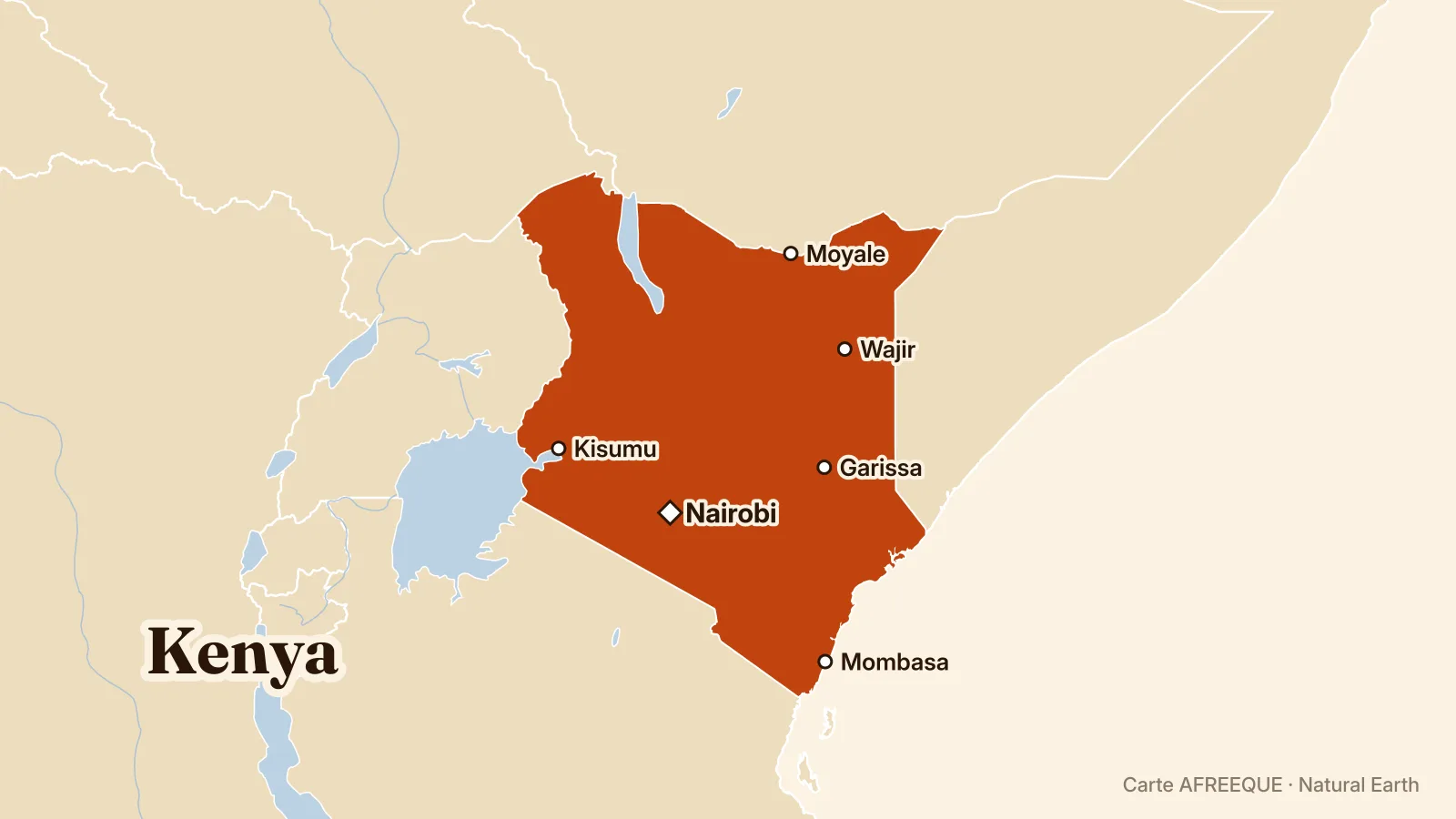
Kenya’s public-private partnerships appeals committee has rejected a challenge to the $16 billion refinery backed by Aliko Dangote in Lamu. It considers the project a private investment outside the legal framework for public-private partnerships, reports CEOWORLD Magazine.
Kenya’s Public-Private Partnerships Petitions Committee rejected on Friday the challenge against the $16 billion oil refinery project led by Nigerian billionaire Aliko Dangote in Lamu County, reports CEOWORLD Magazine. The committee found that the Federation of Kenya Consumers, COFEK, had not demonstrated that the project fell under the public-private partnerships regime or provided a legal basis to compel the state to publish the project documents.
COFEK sought to challenge the approvals and obtain information on the selection procedure, the state’s planned financial participation, the land contribution and other public commitments. Kenyan Treasury Secretary John Mbadi presented the refinery as a private commercial investment, with no plan to transfer it to the state, according to CEOWORLD Magazine.
The decision excludes the project from Kenya’s public-private partnerships framework, which sets procurement, approval and publication rules for the investments concerned. It does not, however, bring the other proceedings to an end. Kenya is considering a 10% stake, valued at about $500 million, while a separate complaint seeks disclosure of the public funds, land, tax benefits and guarantees that could be granted to the project.
The land issue also remains contested. One hundred and thirty-three residents of Chandavai say the site is located on their ancestral land and are seeking compensation and a resettlement plan. The Malindi Environment and Land Court has set 24 November for the hearing of their amended petition, after lifting on 14 October the temporary suspension of activities on the plot concerned.
The decision comes after the Kenyan courts ordered the status quo on 29 September. The $15 billion to $16 billion refinery project had been presented on 30 September.