Constitutional Tribunal crisis divides Poland since 2015
By the AFREEQUE newsroom, based on L’essentiel
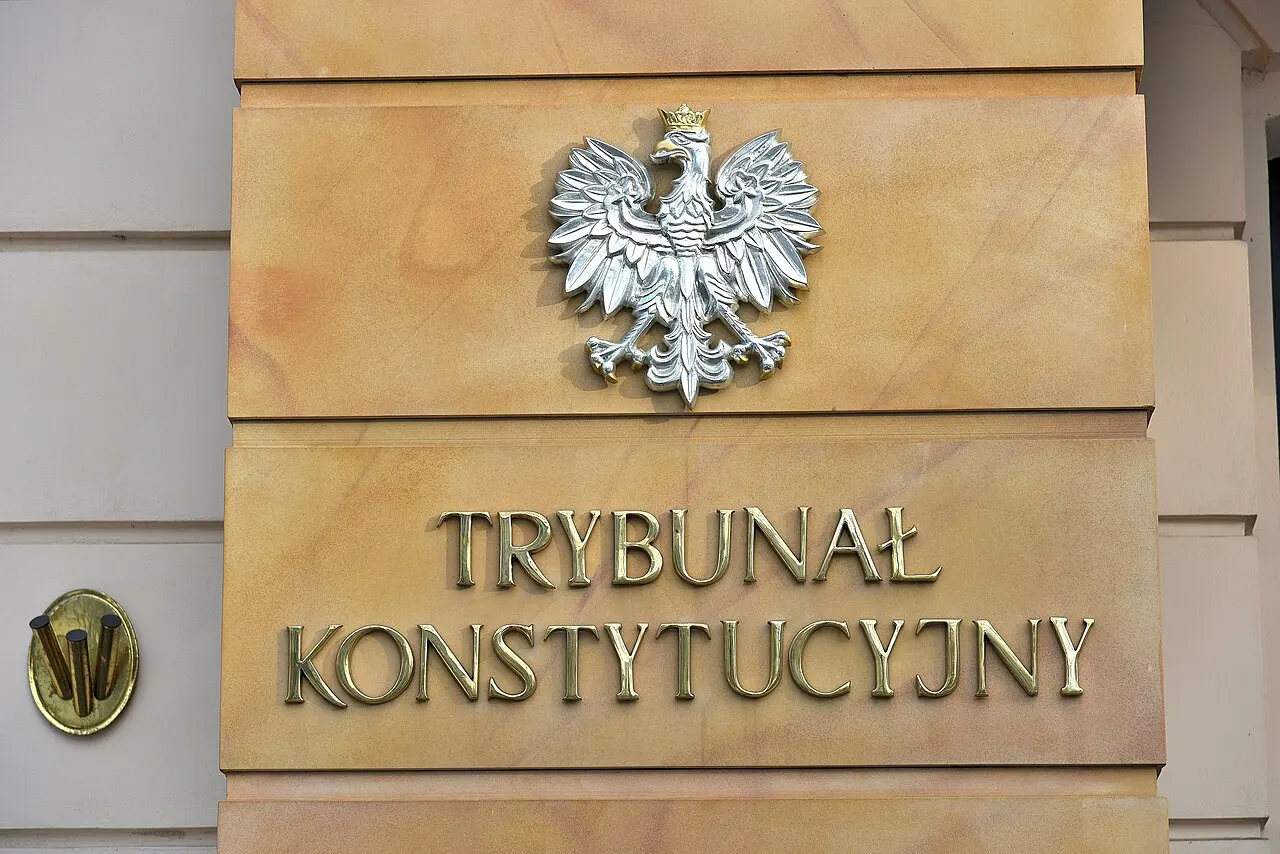
Poland’s Constitutional Tribunal crisis, which began in 2015, pits Donald Tusk’s government against President Karol Nawrocki and calls the court’s independence into question. It exposes continuing institutional divisions, according to L’essentiel, which presents five points for understanding the dispute.
Riot police were deployed outside Poland’s Constitutional Tribunal on Friday 30 October, as the justice minister launched proceedings to lift its president’s immunity. A recently appointed judge announced his suspension and said she would serve as acting president, reports L’essentiel.
The institutional crisis dates back to 2015, when two successive majorities each made disputed judicial appointments. In 2025, the Court of Justice of the European Union found that the Tribunal, in its current composition, did not meet the requirements of independence and impartiality. In March 2026, the Sejm, dominated by a centrist majority, elected new judges, but President Karol Nawrocki only had some of them sworn in.
In October, the Venice Commission, an advisory body of the Council of Europe, recommended that judges be allowed to take office without being sworn in before the president. Demonstrators set up outside the court in Warsaw to defend judges close to the nationalist Law and Justice party and prevent police intervention.
The situation forms part of the standoff between Prime Minister Donald Tusk’s government, which wants to reform the Tribunal, and President Nawrocki, who was elected in June 2025 with the support of PiS. On 31 October, judges had removed the president of Poland’s Constitutional Tribunal. The European Commission also asked Nawrocki to approve the Polish judges.