British healthcare worker with Ebola evacuated from DR Congo
By the AFREEQUE newsroom, based on SABC News and MyJoyOnline

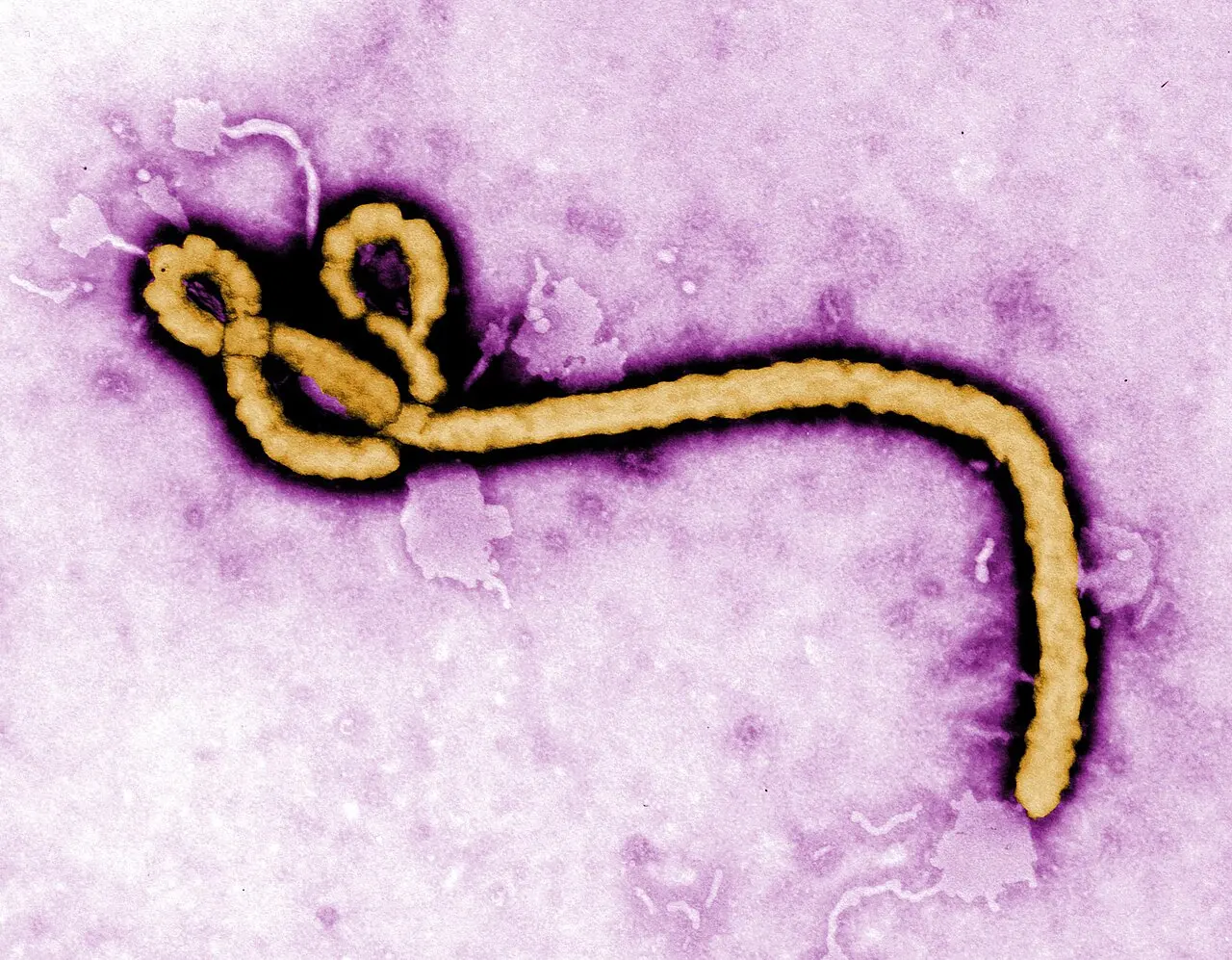
A British healthcare worker who tested positive for Ebola in the Democratic Republic of Congo is to be evacuated to the United Kingdom, where the patient is stable and the risk to the public is considered low, according to Reuters. MyJoyOnline reports that the British government activated its procedures, while the outbreak has exceeded 5,000 deaths and 10,000 cases since May; the Bundibugyo variant is notably involved.
The patient, whose identity has not been disclosed, was expected to arrive in the United Kingdom on Wednesday or Thursday before being transferred by specialist ambulance to a unit reserved for high-consequence infectious diseases, according to Reuters. MyJoyOnline nevertheless reports that the Foreign Office had not confirmed his repatriation, while Reuters, citing an internal document, said he would be treated in the United Kingdom. The British government said established procedures had been activated for this type of case.
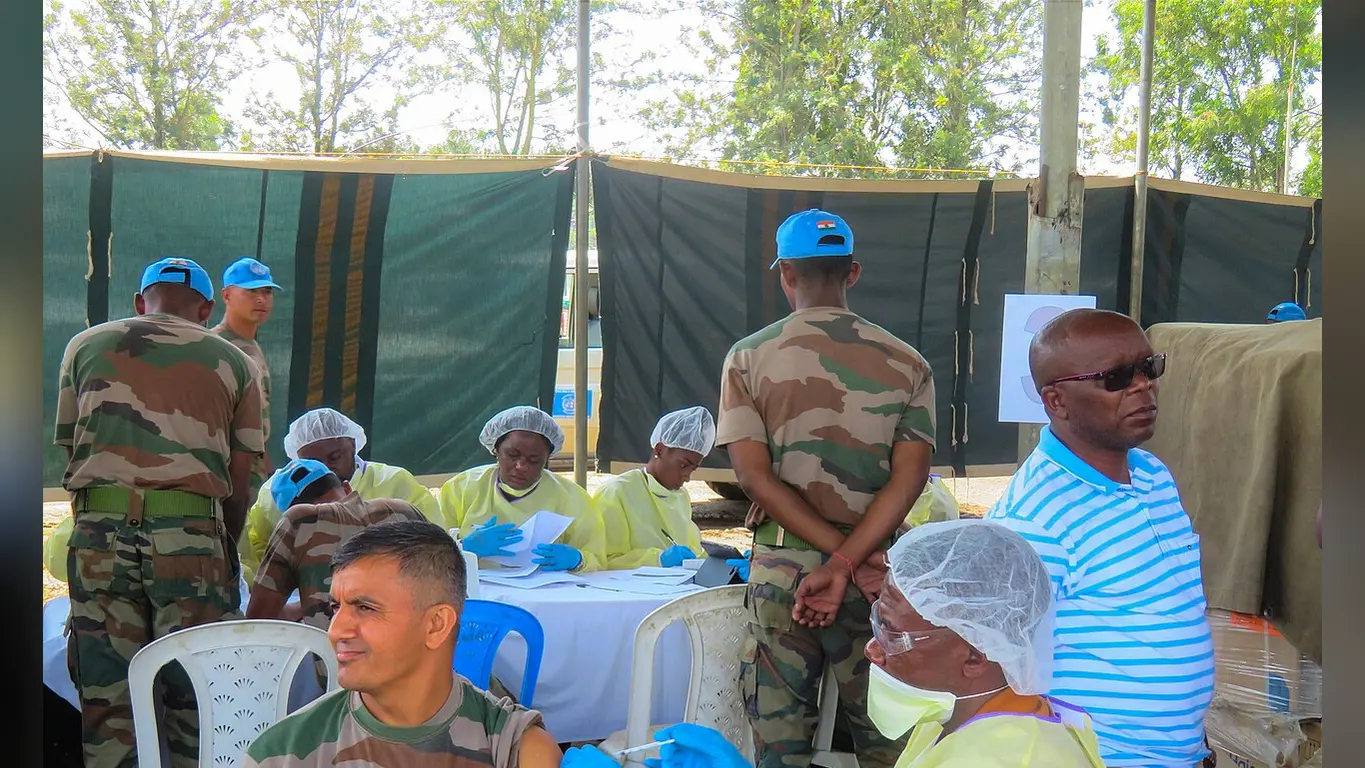
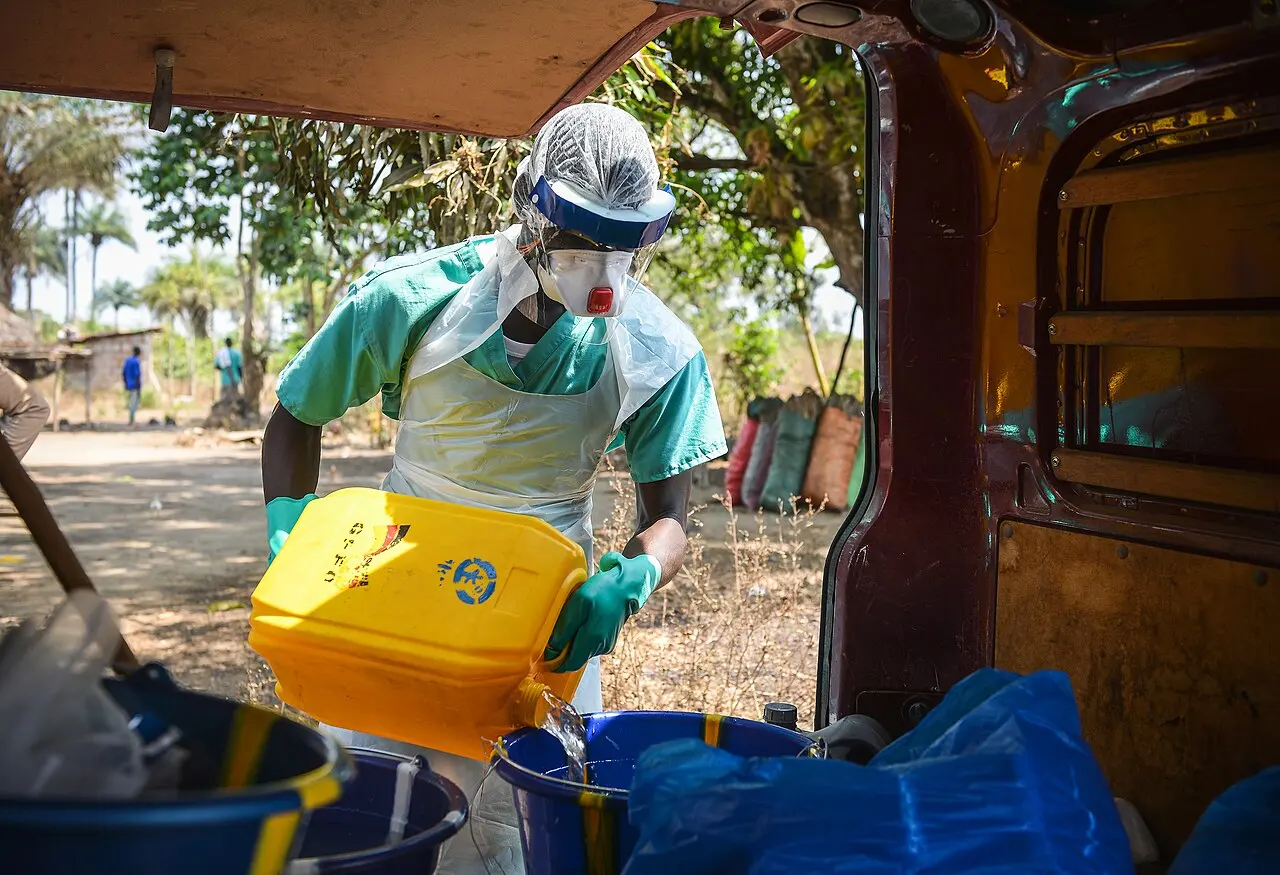
The healthcare worker had been sent to the Democratic Republic of Congo by a humanitarian organisation to help respond to the outbreak, according to Reuters. The WHO said it had supported several medical evacuations at the request of partners and governments. Switzerland evacuated a patient from Nigeria the previous month, while France reported in June a first outbreak-related case involving a doctor returning from a humanitarian mission in the Democratic Republic of Congo.
The outbreak had exceeded 5,000 deaths in the Democratic Republic of Congo by 31 October. A tally published on 1 November recorded 10,351 cases and 5,026 deaths, according to figures reported by Reuters. MyJoyOnline, for its part, refers to more than 10,000 confirmed cases since May and a case-fatality rate of 48.6% at the end of the previous month.
MyJoyOnline says the outbreak is being driven by the Bundibugyo variant, against which no vaccine is licensed, and that cases have been confirmed in Kenya, Nigeria and Uganda. British authorities have recorded four imported cases since 1976, including one linked to a laboratory incident and three involving healthcare workers who worked in West Africa between 2014 and 2015; no deaths have been recorded among these cases, according to MyJoyOnline. A person living in the United Kingdom who was exposed to the virus in July had already been repatriated for treatment, like other nationals infected abroad.