Bamako faces influx of gold miners expelled from Guinea
By the AFREEQUE newsroom, based on Bamada.net
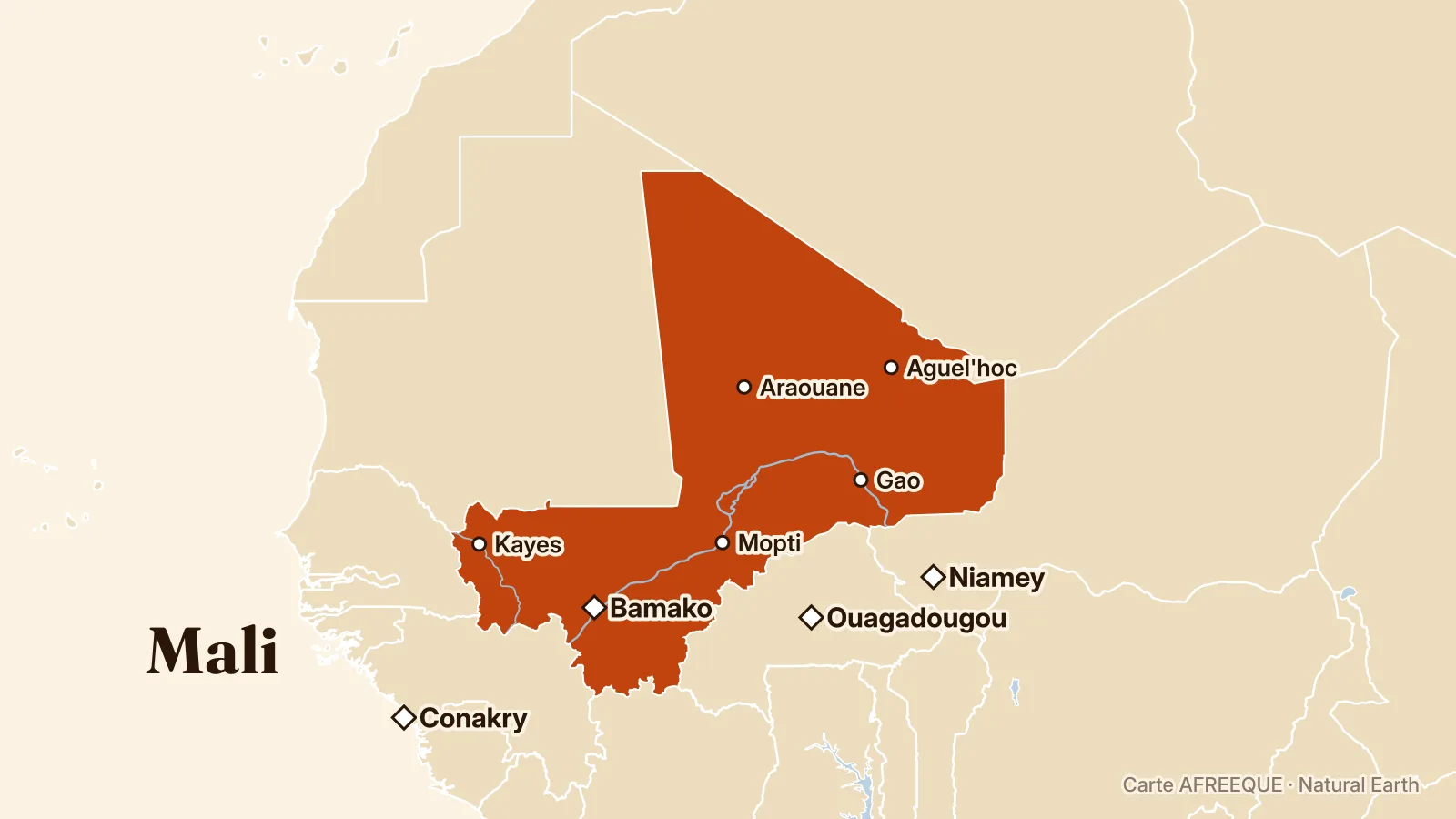
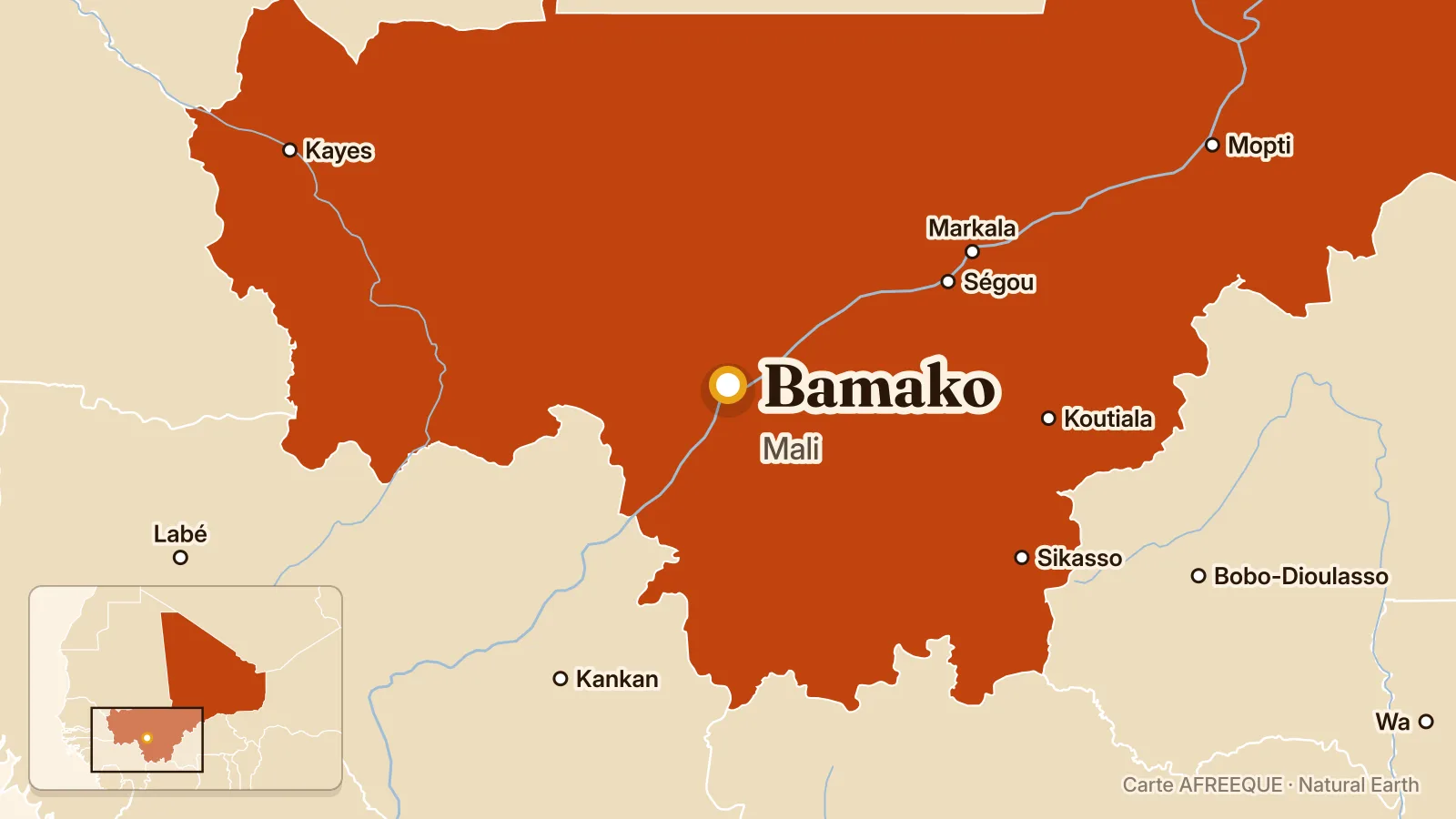
Bamada.net reports the mass arrival of Burkinabè and Malian gold miners expelled from Guinea since gold mining was banned in the country's north-east. The account, centred on the Kourémalé border, revisits facts already reported about this exodus.
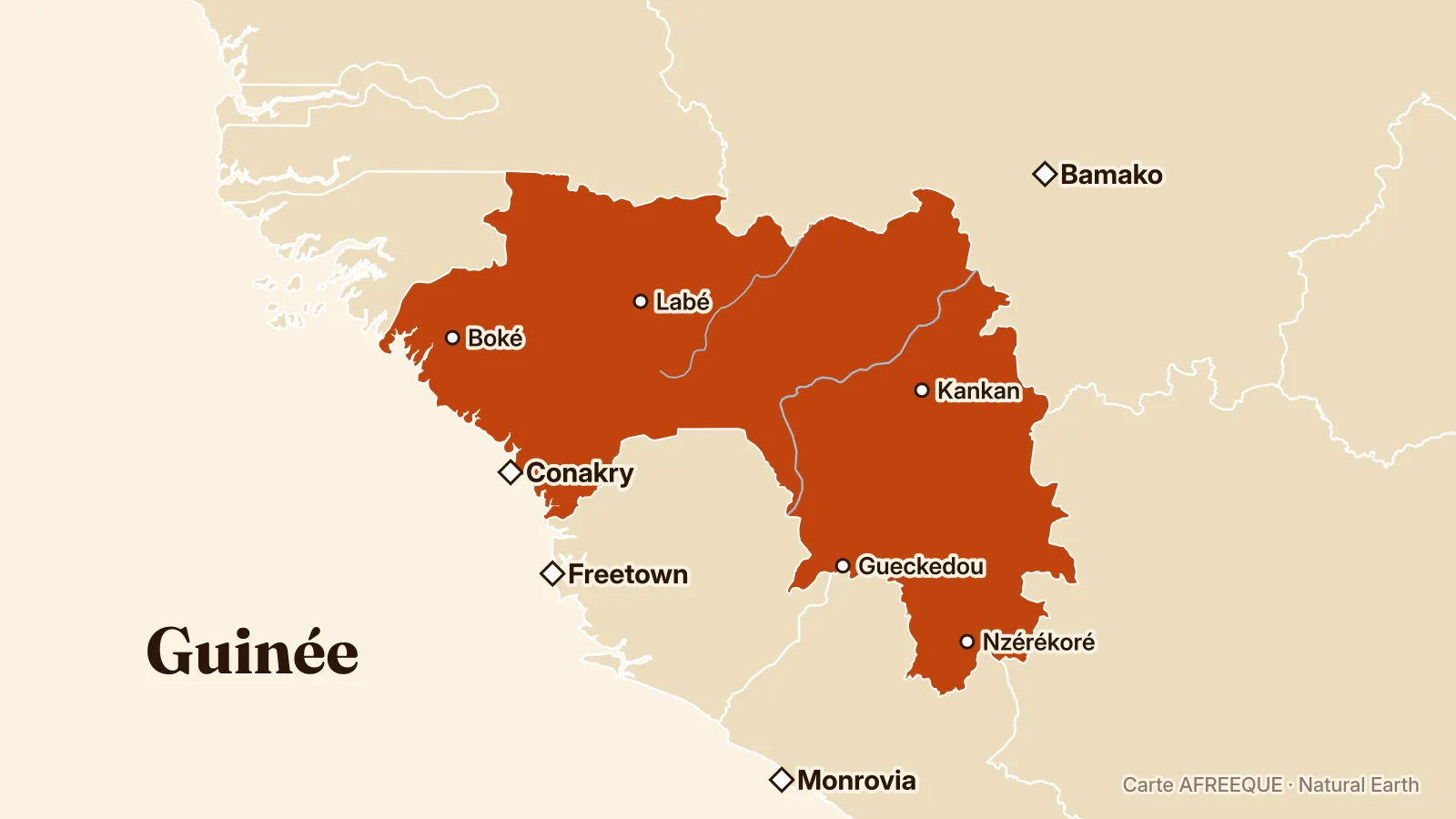
Mali has been receiving a continuous influx of artisanal gold miners expelled from north-eastern Guinea since 2 November 2026, arriving through the Kourémalé border post, according to Malian media outlet Bamada.net. The wave follows the formal and immediate ban on “anarchic” gold mining decreed that day by the Guinean government throughout the Siguiri area, more than 200 kilometres inside the country.
Conakry cites an ecological emergency: devastated farmland, the Niger River and its tributary the Tinkisso polluted with mercury, and classified forests ravaged. The day after the announcement, General Mamadi Doumbouya's regime took action, after inaugurating the Nimba Gold Refinery at Gbessia Cité on 1 November to take back control of the gold sector. Twenty-two civilian and military territorial administrators in the Siguiri region were dismissed and struck off, while some assessments cite as many as 479 local officials dismissed for leniency towards illegal gold mining, Bamada.net reports.
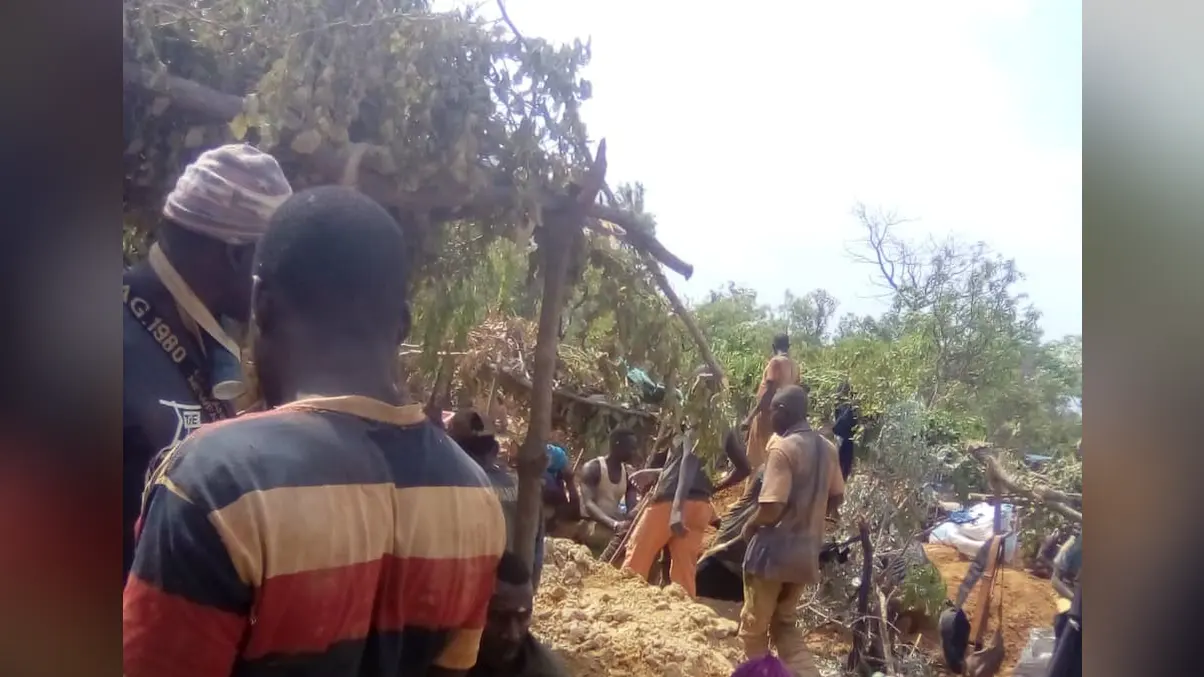
Columns of special forces then moved into the Bouré-Kourda, Djatéla and Kourémalé sites on the Guinean side. According to Bamada.net, 60% of the workforce at these sites is Burkinabè, young people who left Kaya, Ouahigouya, Fada or Bobo-Dioulasso and had been digging for months to finance their brothers' schooling. Bamako opened its roads and Ouagadougou its granaries, the media outlet writes, contrasting the state closure decided by Conakry with the solidarity of the capitals of the Sahel alliance.
This new wave adds to an already established crisis: more than 160,000 people expelled from Guinea have been recorded in Mali, and the transitional authorities mobilised 74 trucks and 21 buses to transfer 15,000 of them, according to our previous reports.