Airlines drop fuel hedges as prices soar
By the AFREEQUE newsroom, based on Businessday
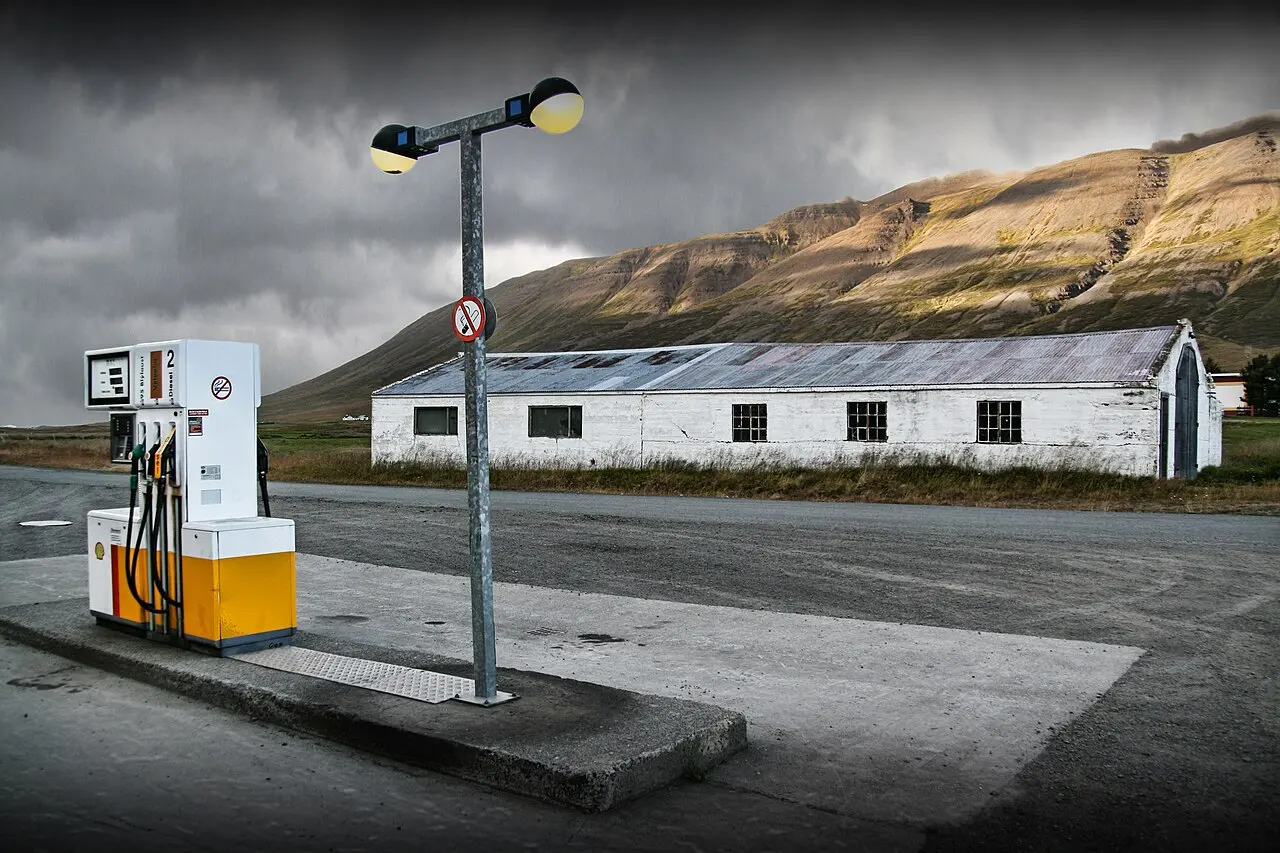
Airlines are gradually giving up locking in their future fuel costs, as prices have almost doubled since the war in Iran began. The strategy exposes carriers to sharp increases in expenses and could lead to a significant rise in fares, according to Reuters.
Rising fuel prices are prompting airlines to give up taking out new hedges against fluctuations, with jet fuel costing about twice as much as before the war against Iran, Reuters reports. Several carriers warn they may raise fares to offset their expenses.
Tony Fernandes, chief executive of Malaysia’s AirAsia, told Reuters that the company was budgeting for 12 months of high oil prices and had stopped trying to anticipate how geopolitical tensions would develop. The airline is considering cutting costs or raising fares. Finnish carrier Finnair has also stopped adding new hedges, judging it too costly to lock in current prices. Its average hedge ratio for 2027 is 34%.
Fuel accounts for between 30% and 40% of airlines’ costs. According to Ryanair chief executive Michael O’Leary, European airlines, including Ryanair, are not sufficiently hedged through to summer 2027. He expects fares to rise by 15% to 20%.
Hedges agreed before the start of the war are due to expire progressively in 2027, leaving carriers more exposed to high fuel prices. Choosing not to take out new protection also reduces the risk of being locked into costly prices if oil prices fall.