150,000 displaced people at risk from cholera in South Sudan
By the AFREEQUE newsroom, based on Radio Tamazuj
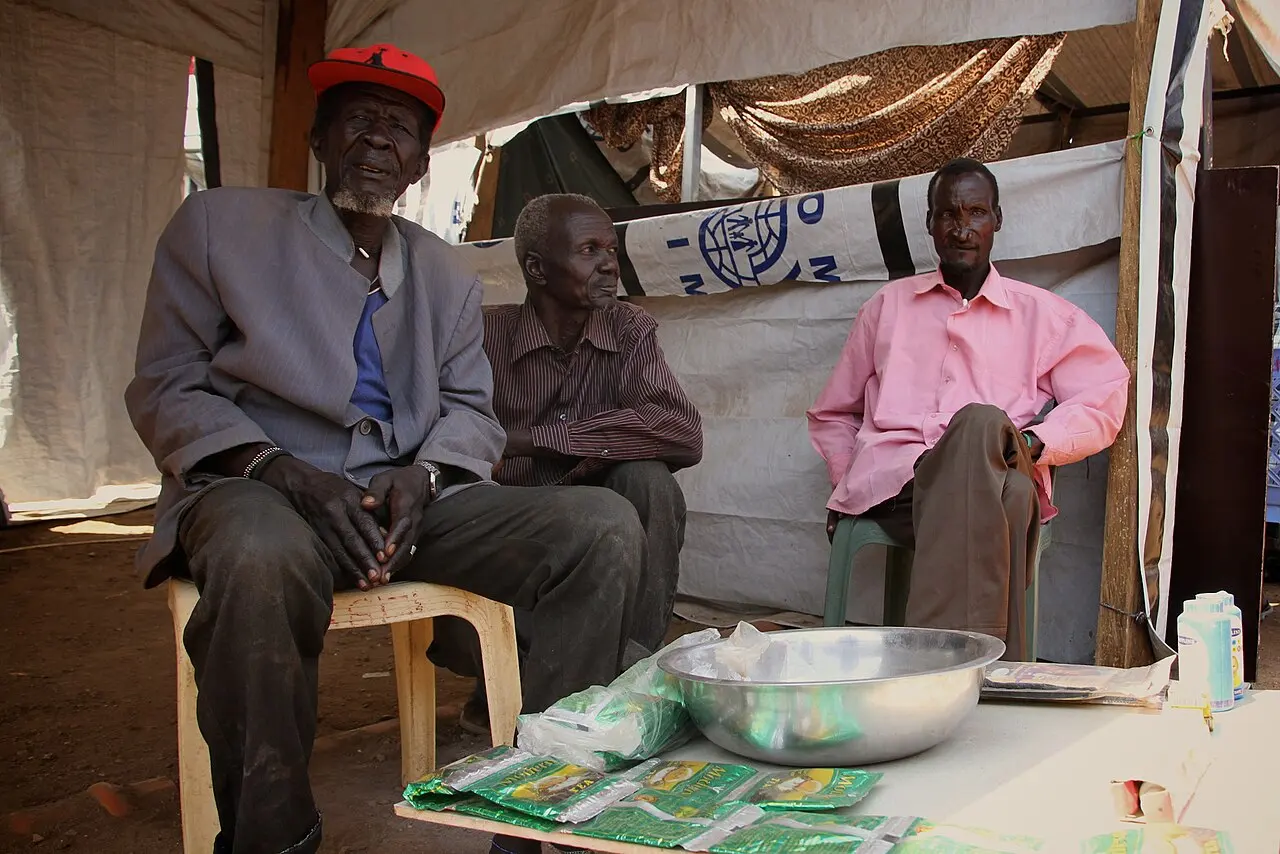
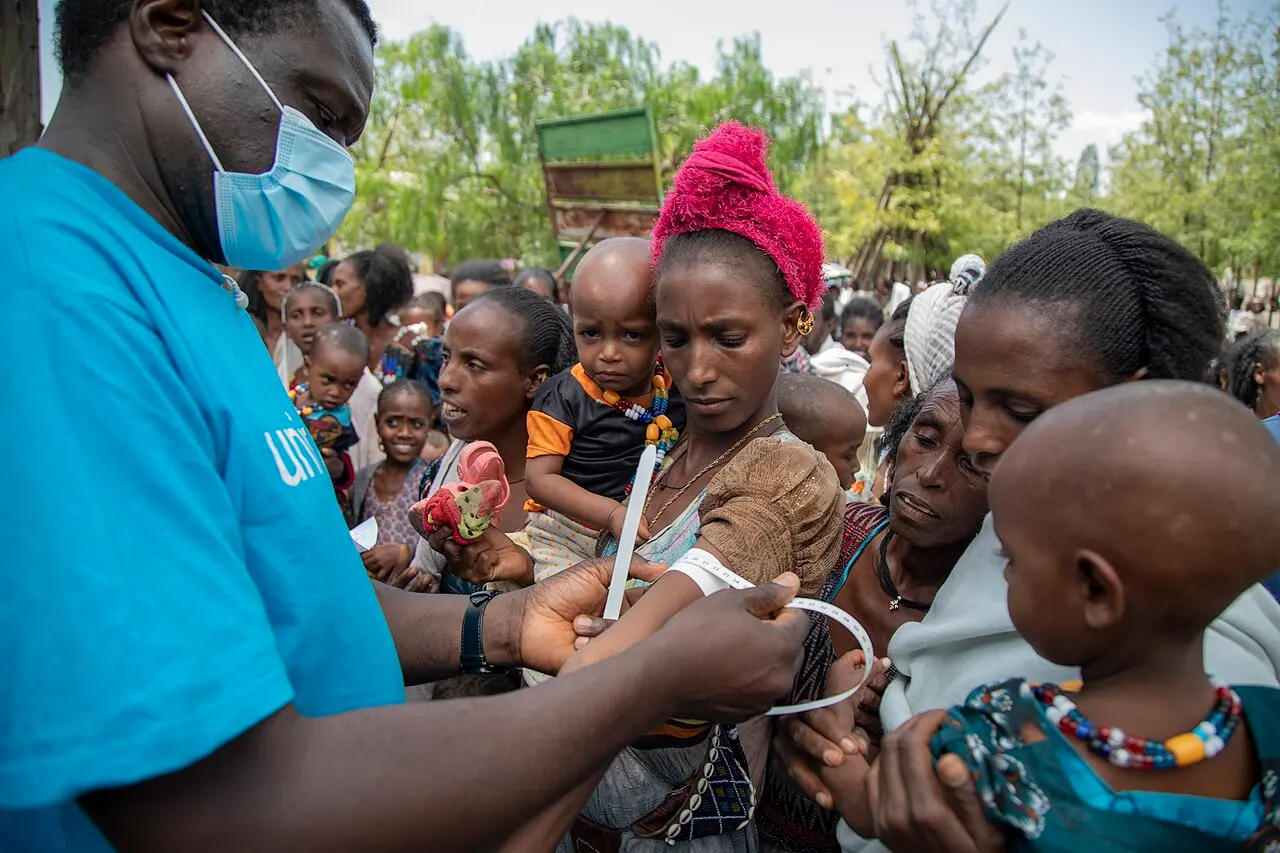
Around 150,000 displaced people in the Bentiu and Malakal camps in South Sudan risk losing access to safe water, sanitation and basic healthcare, amid an increased threat of cholera. Médecins Sans Frontières is calling on donors to quickly restore funding and essential services.
Around 150,000 displaced people living in the Bentiu and Malakal camps in South Sudan face an increased risk of cholera following funding cuts and the withdrawal of humanitarian organisations, Médecins Sans Frontières (MSF) warns.
Water supplies, waste collection, latrine maintenance and basic healthcare could collapse in the coming months. Bentiu camp hosts around 111,000 people, but one functioning latrine is shared by around 60 residents and only 109 handwashing stations are available, according to an MSF assessment.
Foued Gamoudi, MSF deputy director of operations in South Sudan, called on donors and humanitarian organisations to maintain water, sanitation, hygiene, health, food and nutrition services. “As long as people remain at the Bentiu and Malakal sites, these minimum services must be maintained,” he said.
The two camps were created in 2013 to accommodate people fleeing violence. Bentiu has been under the authority of South Sudanese authorities since 2021, and Malakal was officially transferred to them in February 2026. According to a survey conducted in February 2026 by the International Organization for Migration, 55% of households in Bentiu considered their planned destination unsafe. South Sudan has recorded nearly 110,000 cholera cases and 1,970 deaths linked to the disease since 2024, according to MSF.
The warning comes after the UN’s fears of severe flooding in Bentiu, expressed on 22 October. On the same day, South Sudanese authorities announced increased aid for displaced people and disaster victims.