Top stories

World Bank puts Nigeria’s debt interest-to-revenue ratio at 124%

By , based on Punch

World Bank puts Nigeria’s debt interest-to-revenue ratio at 124%

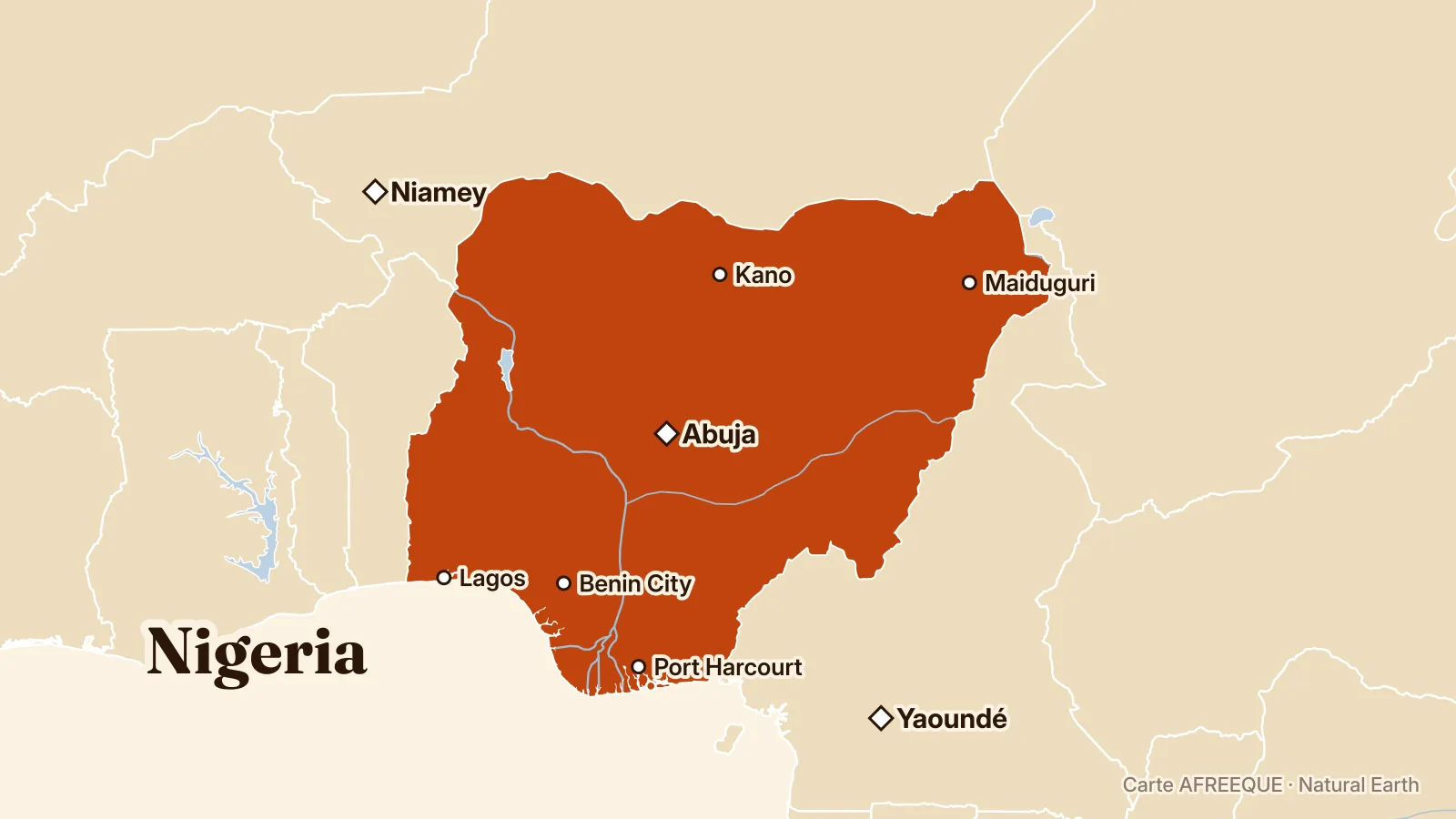
Nigeria’s debt servicing reportedly exceeded its revenue in the first quarter of 2026, with an interest-to-revenue ratio of 124%, according to the World Bank. Nigeria’s Ministry of Finance disputes this assessment, saying it fails to account for some public revenue and overstates payments attributed to the federal government, Punch reports.

The World Bank estimates that Nigeria’s public debt interest-to-revenue ratio was 124% in the first quarter of 2026, according to its Nigeria Development Update published in October. Nigeria’s Ministry of Finance disputed the calculation, saying it did not accurately reflect the fiscal situation.

The ministry says the calculation includes debt servicing by states, which would inflate the ratio, but does not account for revenue collected by public agencies and companies that had not yet been remitted to the Treasury. It also says certain statutory payment deadlines, usually recorded in the second quarter, should be taken into account before drawing annual conclusions.

The World Bank is concerned about the sustainability of Nigeria’s debt. In an opinion piece published by Punch, economist Sheriffdeen Tella, a lecturer at Olabisi Onabanjo University, and David Adonri, managing director of High Cap Securities, defend the institution’s analysis and urge the government to exercise caution amid rising debt, particularly external debt.

The dispute extends Abuja’s challenge to the 7.7 trillion naira in interest payments, published on 18 October. Nigerian states have also been assessed separately, with a report saying they spent 800.42 billion naira on debt servicing over six months. Nigerian states’ spending on their debt offers another perspective on the burden of public repayments.
Share this article

Related stories

Nigerian states spend 800.42 billion naira on debt in six months

Nigerian states spent 800.42 billion naira on debt servicing in the first half of 2026, a 39.5% year-on-year increase across the 33 states compared. Lagos accounted for nearly a third of payments and more than four-fifths of the increase, according to an analysis of budget reports published by Punch.

🇳🇬 Nigeria · Source: Punch ·

Senegal cuts 2026 investment by 555 billion CFA francs

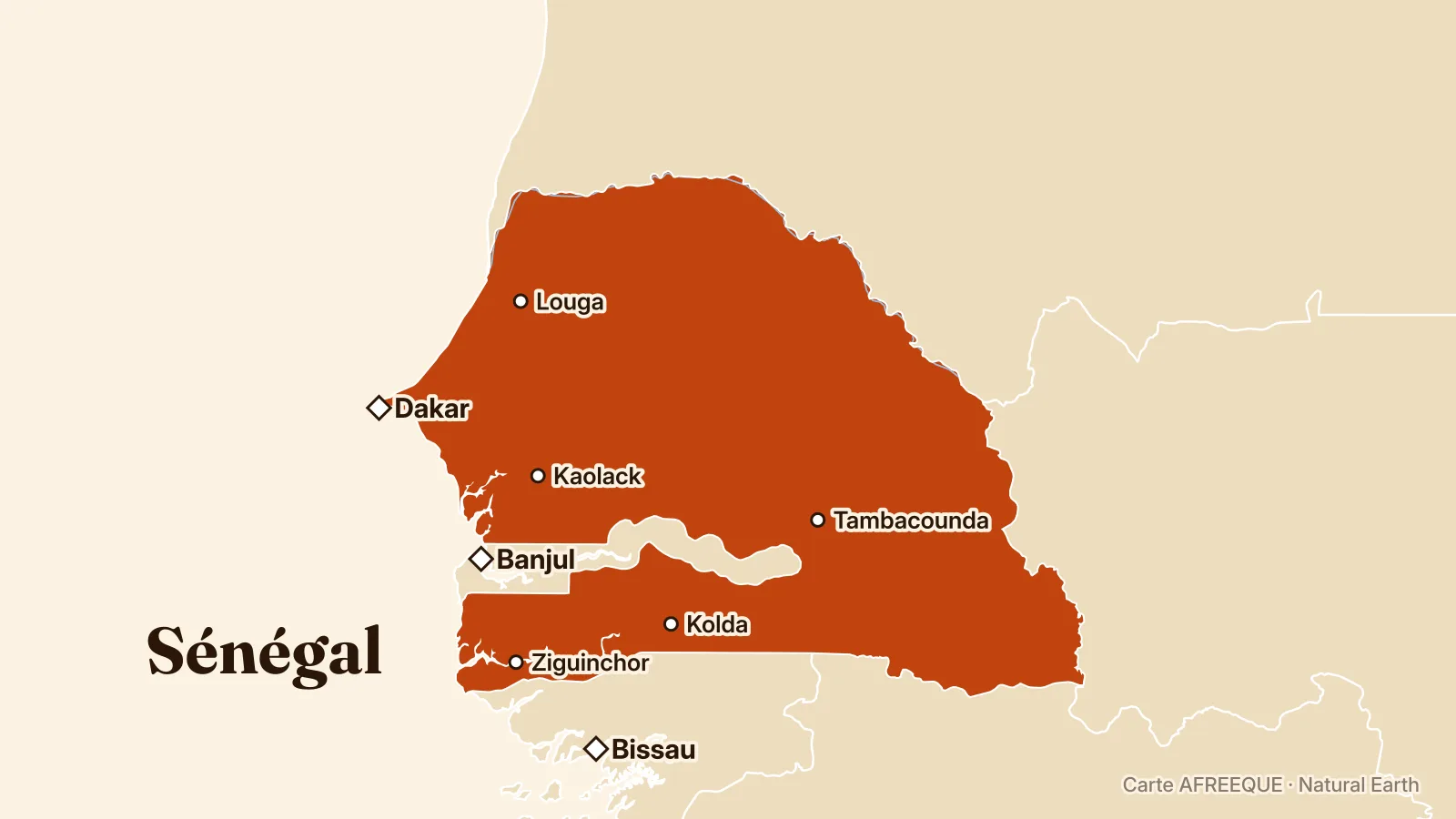
The Senegalese government plans to cut 2026 investment appropriations by 555 billion CFA francs in its supplementary finance bill. Revenue is expected to fall by 340.3 billion, while expenditure is projected to rise by 540 billion, according to Prime Minister Ahmadou Alhaminou Mohamed Lo and minister Cheikh Diba, Le Soleil reports.

🌍 World · Source: Lesoleil ·

Senegal committee rejects 2026 supplementary budget

Senegal’s National Assembly Law Committee rejected the 2026 supplementary finance bill after an initial rejection by the Finance Committee. Pastef is demanding transparency over agreements with the World Bank and better protection for social spending before the plenary sitting on 27 October, RFI reports.

🇸🇳 Senegal · Source: Agpgabon ·

Nigeria promises to resolve Zaria railway compensation disputes

Nigeria’s Federal Ministry of Transportation promises to examine compensation disputes linked to railway works in Zaria, Kaduna State. The disputes are delaying the extension of the line from Jadji station towards the Kano-Abuja railway corridor, according to permanent secretary Funso Adebiyi, quoted by Punch.

🇳🇬 Nigeria · Source: Punch ·

🇳🇬 Latest from Nigeria

Nigerian stock market loses 206 billion naira in a weekNigerian stock market loses 206 billion naira in a weekThe Nigerian Exchange’s market capitalisation fell by 206 billion naira in a week to 160.52 trillion naira, while its benchmark index lost 0.97%. Profit-taking in Aradel Holdings and other stocks weighed on the market, with 55 stocks down against 20 up, reports ThisDay.All Nigeria news →

Business in West Africa

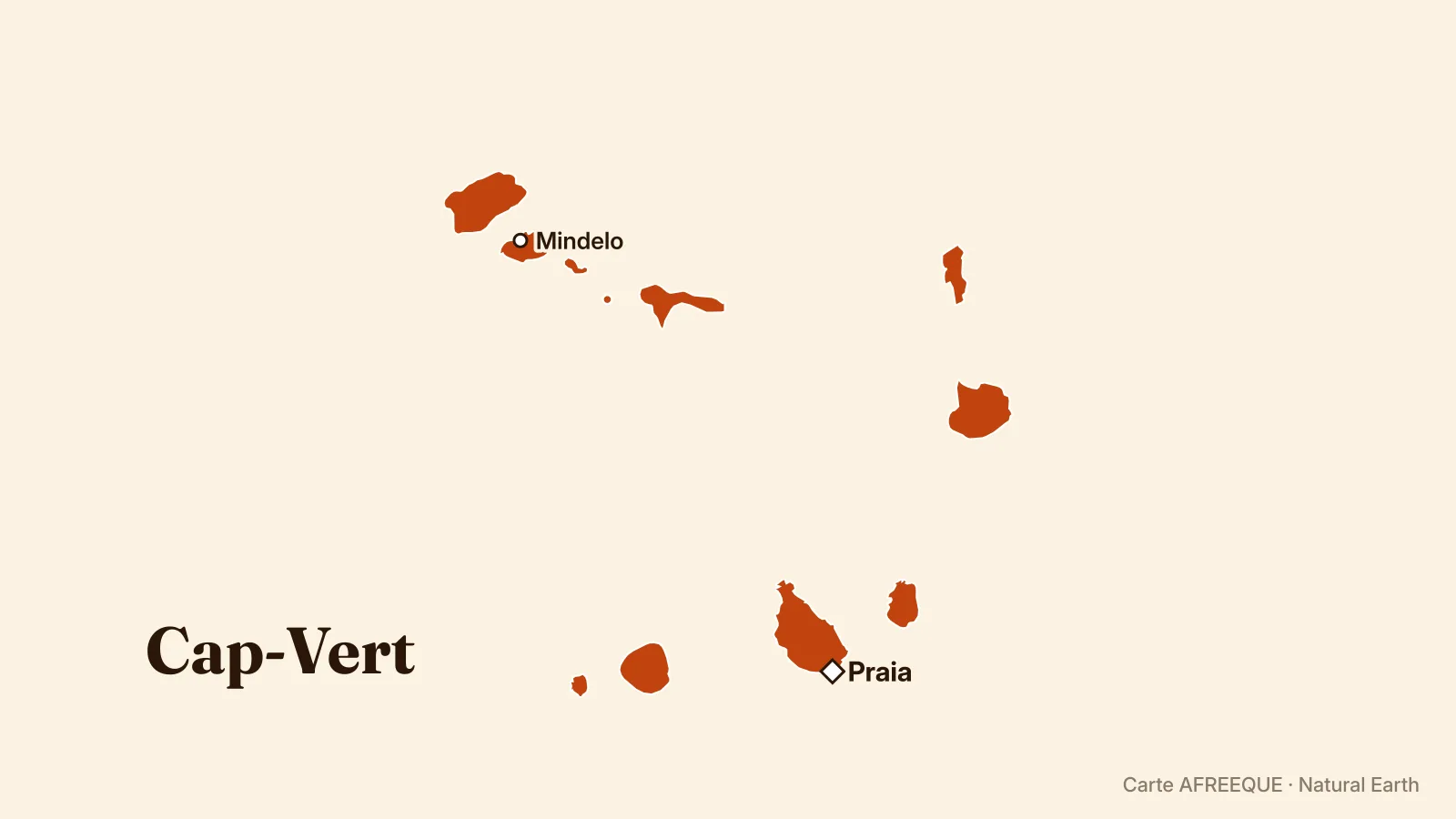
Map: Cape VerdeUndernourishment rises in Cabo Verde in 2022 and 2023Undernourishment prevalence rose in Cabo Verde in 2022 and 2023 after reaching its lowest level in 2021, according to the Sustainable Development Goals statistical report published by the National Institute of Statistics. Over the 2015–2023 period, however, it fell by 3.1 percentage points, while moderate or severe food insecurity declined from 41.1% in 2018 to 32.3% in 2024.All Business news →

The week in Africa

This week’s highlights

  1. Brazilian presidential election: Flávio Bolsonaro leads Lula 50.10% to 49.90%🇧🇷 Brazil
  2. Algeria authorises deployment of military units to Niger🇩🇿 Algeria
  3. Student List could win 140 seats in Serbian election🇷🇸 Serbia
  4. Senegal committee rejects 2026 supplementary budget🇸🇳 Senegal
  5. Gabon reopens social media under tighter controls🇬🇦 Gabon
All of this week’s highlights →

Africa in your inbox

Be the first to get our letter in English: the essentials from every region of the continent, free.

← Back to the news