SONEDE unveils Tunisia’s water security plan
By the AFREEQUE newsroom, based on Lapresse
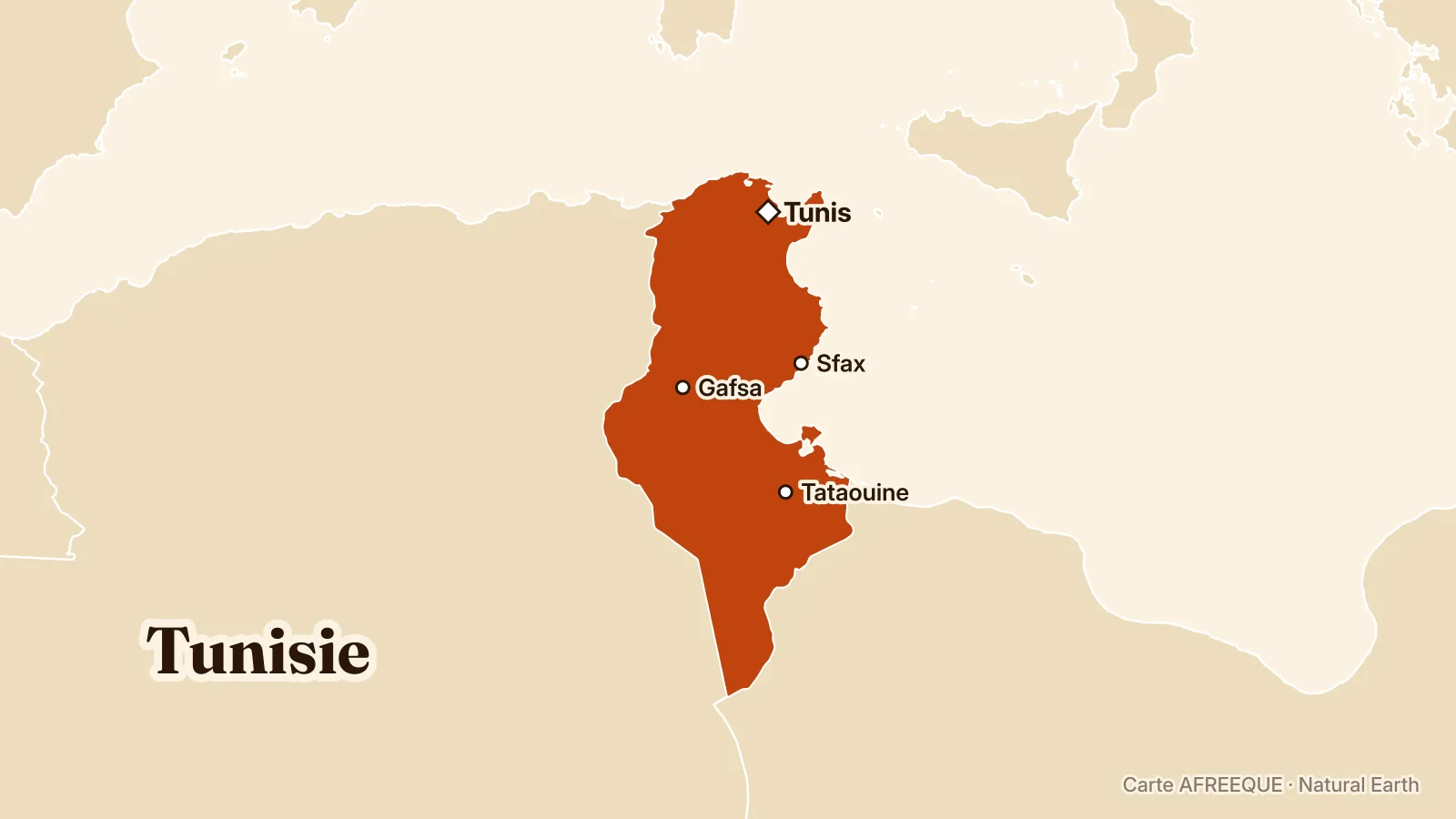
Tunisia’s National Water Exploitation and Distribution Utility has drawn up a multi-year plan to secure drinking water, improve network efficiency and accelerate the energy transition. The programme includes water transfers from the north, large reservoirs and desalination in several regions, according to the Agriculture Ministry.
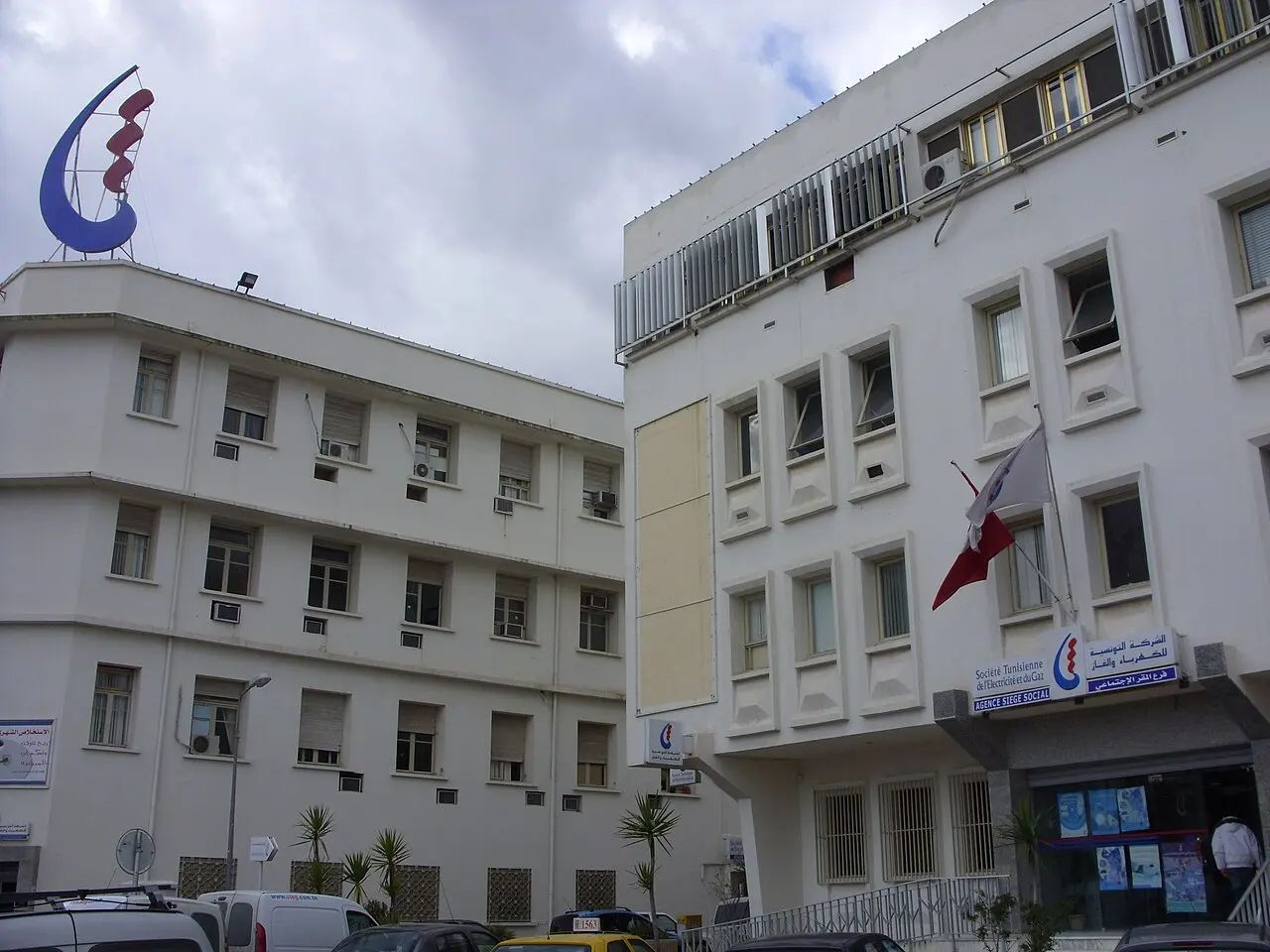
The National Water Exploitation and Distribution Utility (SONEDE), a Tunisian public company, has drawn up a multi-year plan to secure drinking water supplies in response to water stress and climate change. The Ministry of Agriculture, Water Resources and Fisheries made the document public in response to a written question from MP Asma Darouiche.
The plan has four pillars: strengthening supplies to cities and major consumption centres, developing rural networks, saving water by improving network efficiency, and beginning the energy transition. To supply Greater Tunis, Cap Bon, the Sahel and Sfax, the plan provides for optimising the transfer of surplus water from the north, relying in particular on the Saïda and Kalaa Kebira dams.
The strategy also provides for the use of desalinated seawater and brackish groundwater in the Sahel, Sfax and the south. In the north and north-west, surface water treatment plants, including those at Kasseb and Joumine, are to accompany the laying of pipelines and the construction of storage facilities.
SONEDE aims to improve the energy efficiency of its production and pumping facilities by 15% by 2030. It also plans for renewable energy, including small-scale hydropower and photovoltaics, to account for 30% of its overall energy consumption by 2035.