Night-time heatwaves pose greatest health risk in Cape Verde
By the AFREEQUE newsroom, based on Expresso das Ilhas
 Illustrative image · David Wilkowski · Pexels · Licence Pexels
A study in Cape Verde identifies night-time heatwaves as the main climate-related health risk, particularly because of their effects on respiratory, dermatological and chronic diseases. Authorities are preparing an early-warning system, with thermal sensors installed on Brava island, according to Expresso das Ilhas.
Night-time heatwaves pose the main thermal risk to public health in Cape Verde, particularly because of their effects on respiratory, dermatological and chronic diseases, according to a study presented by Giseila Garcia, an epidemiologist at the National Institute of Public Health.
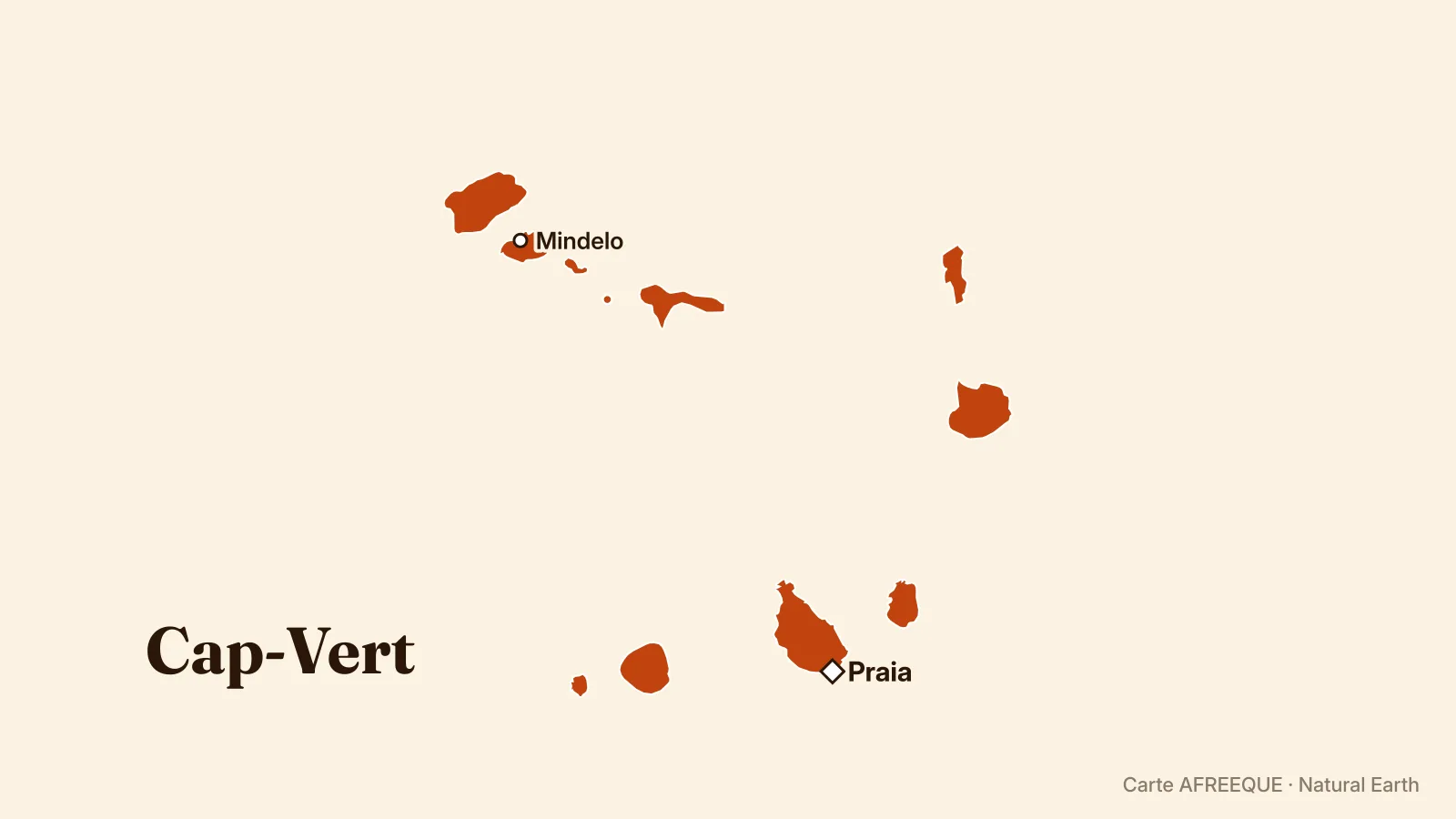
The study enabled Cape Verde to define its own thresholds for the first time to identify and classify heatwaves. It was prepared in 2024 and implemented from January 2025 in six municipalities: São Vicente, Sal, Praia, Ribeira Brava, Fogo and Brava. It was conducted by the National Institute of Public Health and the National Institute of Meteorology and Geophysics, with funding from Luxembourg’s development cooperation.
Thermal sensors are being installed on the island of Brava to collect long-term weather and health data. The next planned step is the official publication of the thresholds defined for heatwaves in the Official Gazette.