Top stories

Shortages disrupt chronic treatments in South African hospitals

By , based on IOL

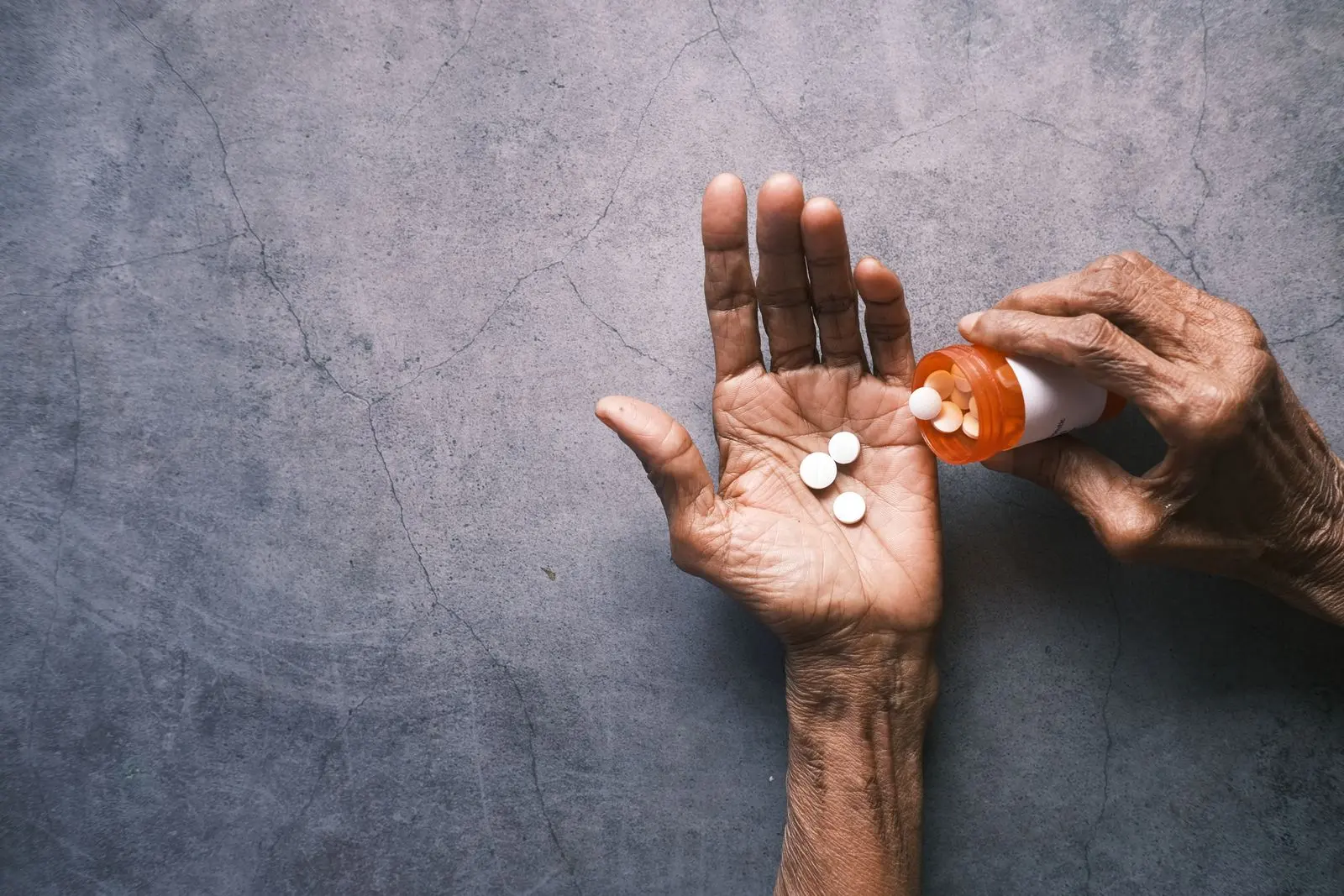
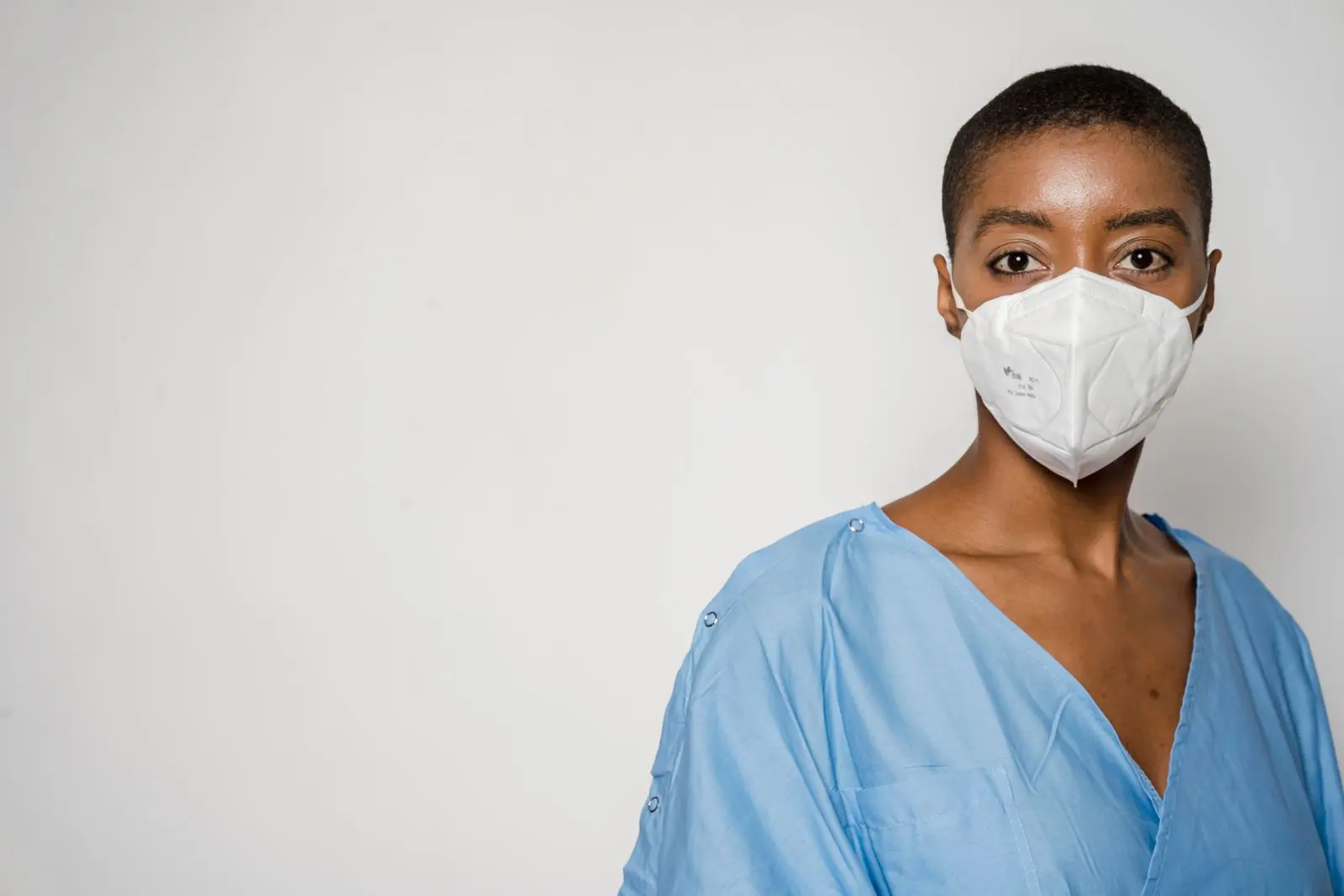
Shortages disrupt chronic treatments in South African hospitalsIllustrative image · Towfiqu barbhuiya · Pexels · Licence Pexels

Medicine shortages in South African public facilities are forcing some patients with chronic illnesses to receive reduced quantities or substitute treatments. The South African Health Ministry acknowledges supply difficulties in some districts and is seeking alternative medicines, according to its spokesperson Foster Mohale.

South Africa’s Health Ministry acknowledges medicine supply constraints in some districts and public facilities, while the Western Cape reports rationing between patients and healthcare facilities. Medicines for hypertension, cholesterol, diabetes and psychiatric disorders are among those affected, according to IOL.

Ministry spokesperson Foster Mohale says replacement medicines are being sought and that some patients may temporarily be switched to treatments considered clinically appropriate. Shortages can lead to interruptions or reduced doses and, according to IOL, expose patients to serious consequences, including strokes or epileptic seizures.

The ministry attributes the difficulties to several factors, including geopolitical tensions in the Middle East and some local manufacturers’ failure to comply with the requirements of South Africa’s Health Products Regulatory Authority, SAHPRA. Edward Ngwenya, president of the South African Medical Association, points out that availability varies greatly between facilities and provinces.

The shortages are part of a series of medicine supply difficulties in South Africa. On 31 October, the country was already seeking alternative medicines amid shortages. On 20 October, a Durban clinic lacked HIV and tuberculosis medicines.
Share this article

Related stories

Mpox: 26 confirmed cases in South Africa

South Africa had recorded 26 confirmed mpox cases by 27 October, including 18 in the Western Cape, and seven patients had been hospitalised. Twenty infections have occurred since August, while the health ministry plans to use donated vaccines as needed, reports Spotlight.

🇿🇦 South Africa · Source: Spotlight (NSP) ·

Chad makes dengue treatment free

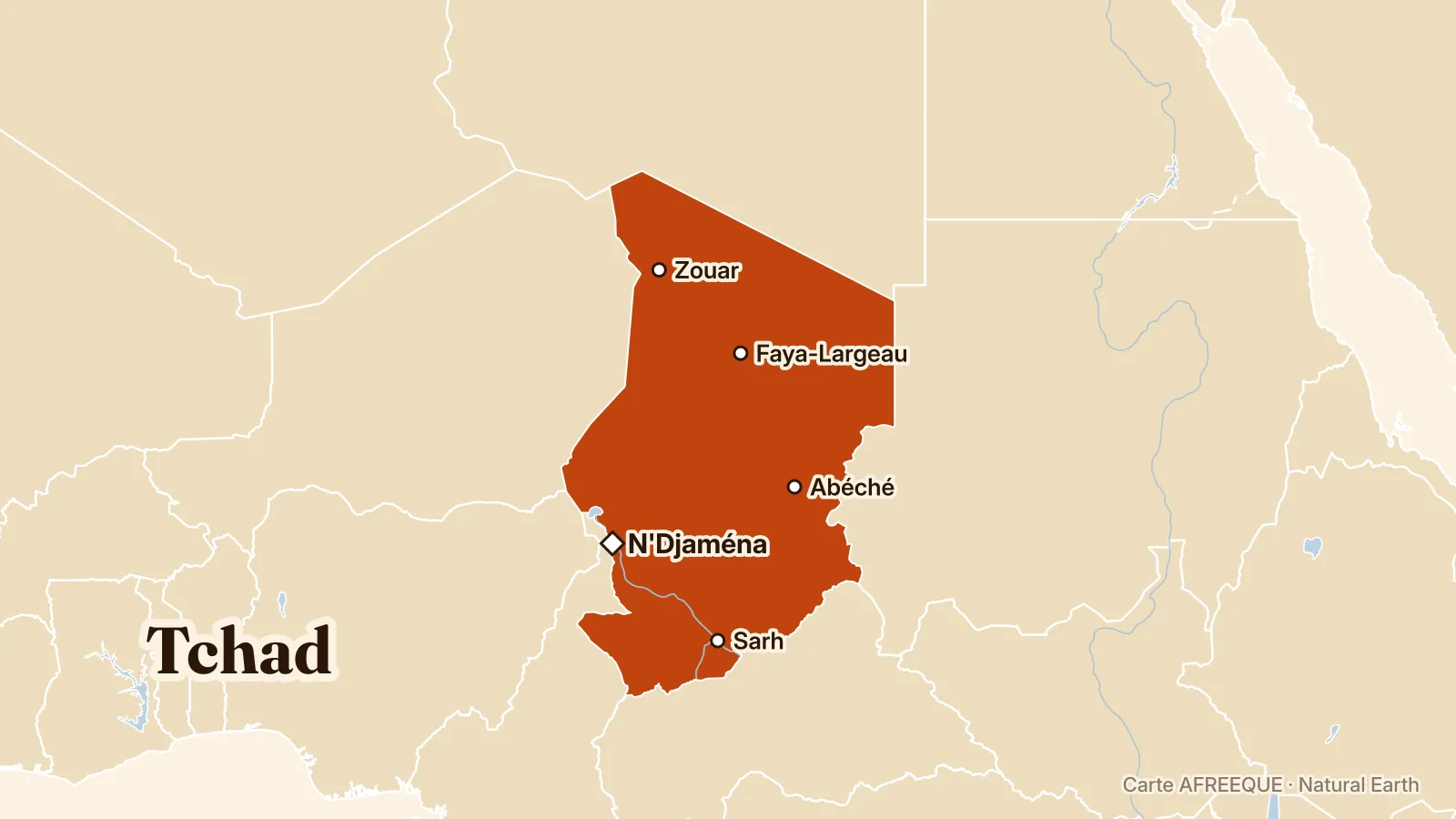
The Chadian government has decided to make dengue care free in public health facilities, following a strategic meeting chaired on 2 November 2026 by Prime Minister Allah Maye Halina, according to Tchadinfos, Alwihda Info and Toumaï Web Médias. The measure covers consultations, laboratory tests and treatment. Alwihda Info and Toumaï Web Médias also report five emergency measures to strengthen the response to the epidemic.

🇹🇩 Chad · Source: Tchadinfos ·

Diphtheria: 456 confirmed cases and 14 deaths in Senegal

Senegal has 456 confirmed diphtheria cases in 60 health districts and 13 regions, as well as 14 deaths. The Ministry of Health said in its report published on 2 November that no new deaths had been recorded since the previous update.

🇸🇳 Senegal · Source: Dakaractu ·

South Africa awards none of 2,000 MW gas-to-power tender

South Africa has awarded none of the 2,000 megawatts planned in its first tender to generate electricity from gas. The four bidders, offering a combined 2,830 megawatts, failed to show that they had sufficient gas supply, according to the Department of Electricity and Energy.

🇿🇦 South Africa · Source: Windhoek Observer ·

🇿🇦 Latest from South Africa

Washington plans to exclude South Africa from AGOA in 2027Washington plans to exclude South Africa from AGOA in 2027Donald Trump notified Cyril Ramaphosa of his intention to remove South Africa’s AGOA beneficiary status from 1 January 2027, citing trade and security concerns. Pretoria said on 2 November that it would support affected sectors and disputed the US account of the negotiations, according to the South African government.All South Africa news →

Health in Southern Africa

42.5% of rural teenage girls are pregnant in Angola, says UN42.5% of rural teenage girls are pregnant in Angola, says UNPregnancy affects 27.1% of girls and women aged 15 to 19 in Angola, a proportion that reaches 42.5% in rural areas, according to the UN Committee on the Elimination of Discrimination against Women. In its recently published report, the Committee recommends a national prevention strategy, age-appropriate sex education and better access to reproductive health services.All Health news →

The week in Africa

This week’s highlights

  1. Nigeria earmarks 10 billion nairas to fight epidemics🇳🇬 Nigeria
  2. FBI attributes Binance hack to North Korea🇰🇵 North Korea
  3. Russian bombing kills 26 at aid centre in Ukraine🇺🇦 Ukraine
  4. UN plans to withdraw 340 MINURSO members from the Sahara🇲🇦 Morocco
  5. Cameroon and three neighbours coordinate fight against cholera, Ebola and mpox🇨🇲 Cameroon
All of this week’s highlights →

Africa in your inbox

Be the first to get our letter in English: the essentials from every region of the continent, free.

← Back to the news