Top stories

Nigerian investors account for 89.74% of stock-market trading

By , based on Leadership

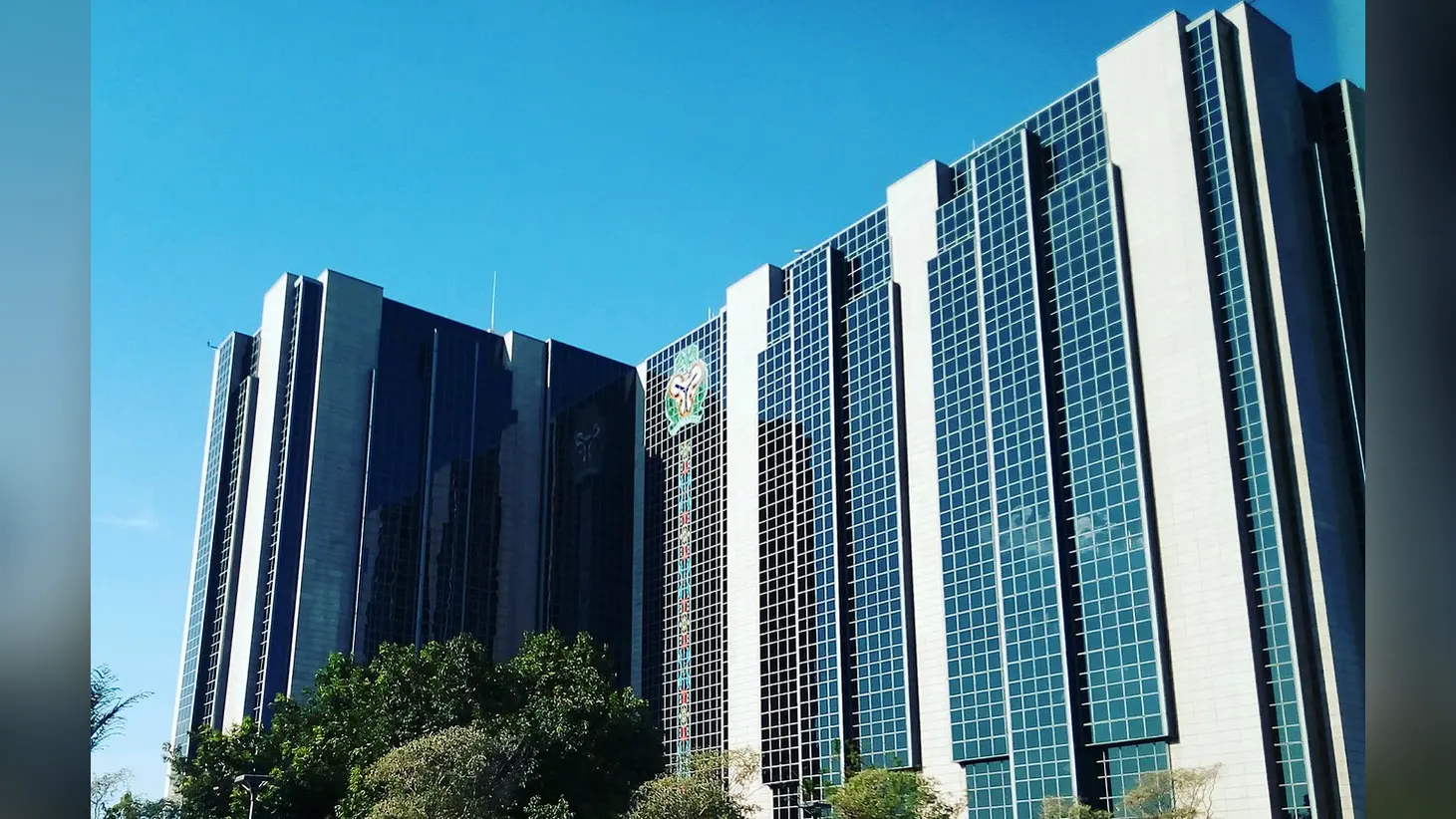
Nigerian investors account for 89.74% of stock-market tradingusman kadiri · CC BY-SA 3.0

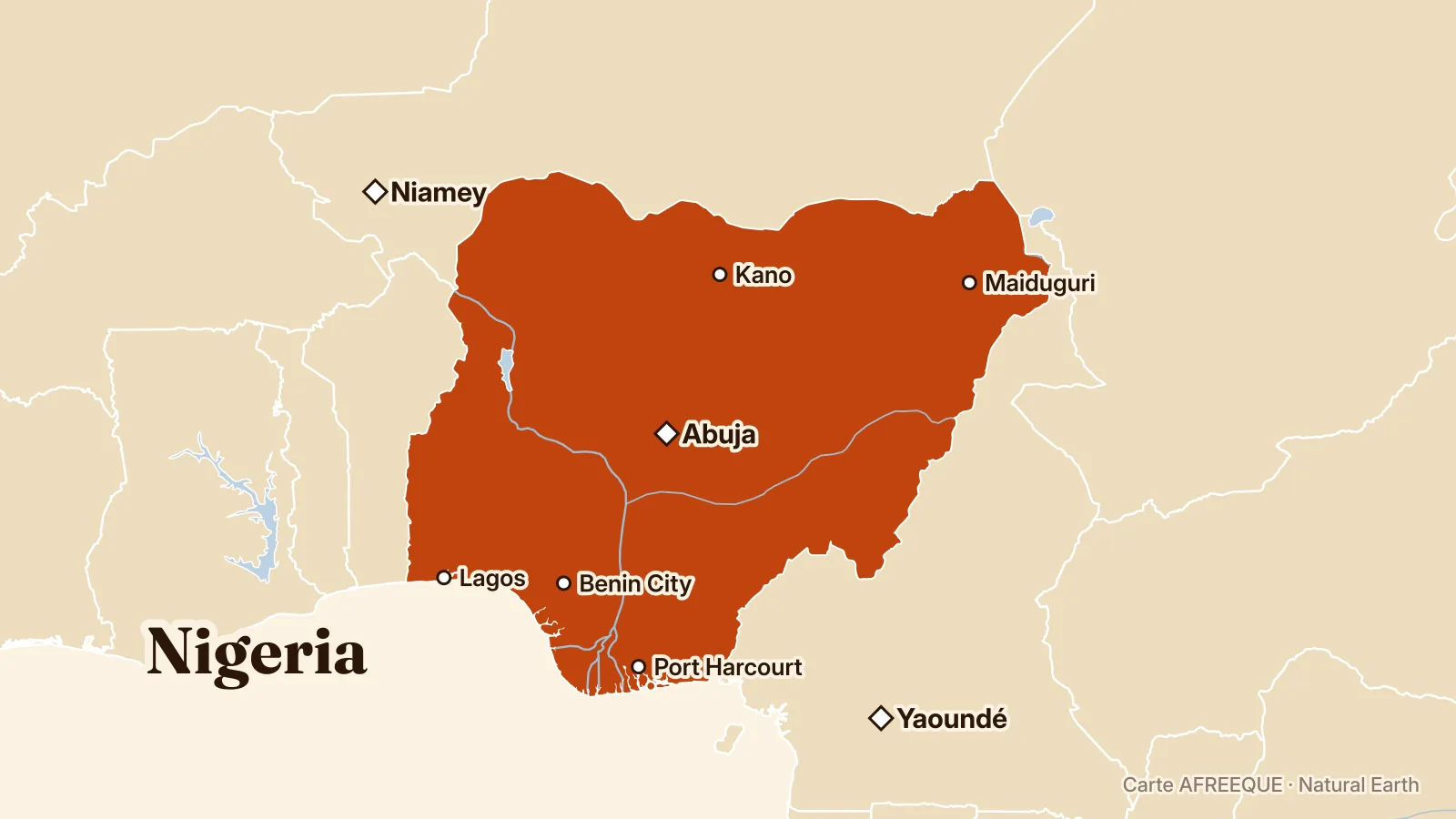
Nigerian investors carried out 13.52 trillion naira of the 15.06 trillion naira traded on the Nigerian Exchange between January and September 2026, representing 89.74% of transactions. The foreign share fell to 10.26%, with capital outflows rising and inflows declining, according to the portfolio investment report published by the Nigerian Exchange.

Nigerian investors accounted for 89.74% of trading on the Nigerian Exchange (NGX), Nigeria’s stock exchange, during the first nine months of 2026, with transactions worth 13.516 trillion naira out of a total of 15.062 trillion. The figures are contained in the NGX’s domestic and foreign portfolio investment report, covering the period up to 30 September 2026.

Total transaction volume rose by 76.4% compared with the 8.538 trillion naira recorded during the same period in 2025. Domestic transactions more than doubled, rising from 6.697 trillion to 13.516 trillion naira, while those by foreign investors fell from 1.841 trillion to 1.546 trillion. The foreign share therefore fell from 21.56% to 10.26%.

Foreign capital outflows increased by 12.7% to 913.61 billion naira, while inflows fell by 38.6% to 632.35 billion. In September, however, foreign trading rebounded by 208.14% month on month, to 191.14 billion naira. Outflows, at 98.62 billion, exceeded inflows, at 92.52 billion, leaving a negative balance of 6.1 billion. Domestic transactions reached 1.625 trillion naira, up 34.58% for the month.

Despite the decline in foreign participation, the NGX All-Share Index rose by 61.43% between January and the end of September, to 251,211.67 points. Market capitalisation increased by 64.13%, from 99.376 trillion to 163.105 trillion naira. This increase forms part of total stock-market transactions worth 15.062 trillion naira in nine months, reported on 25 October.
Share this article

Related stories

Nigeria’s stock exchange reaches 15.06 trillion naira in nine months

Investor transactions on the Nigerian Stock Exchange reached 15.06 trillion naira between January and September 2026, including 13.52 trillion by local investors. The 102% year-on-year rise came as the foreign share fell to 10.26%, according to a Nigerian Exchange Limited report.

🇳🇬 Nigeria · Source: ThisDay ·

Nigeria: 4.92 trillion naira held outside banks in September

Cash held outside Nigeria’s banking system reached 4.92 trillion naira in September 2026, or 89.23% of the 5.52 trillion naira in circulation. The amount rose 10.26% year on year but has fallen since January, according to the Central Bank of Nigeria’s monetary and credit statistics.

🇳🇬 Nigeria · Source: ThisDay ·

Nigerian states spend 800.42 billion naira on debt in six months

Nigerian states spent 800.42 billion naira on debt servicing in the first half of 2026, a 39.5% year-on-year increase across the 33 states compared. Lagos accounted for nearly a third of payments and more than four-fifths of the increase, according to an analysis of budget reports published by Punch.

🇳🇬 Nigeria · Source: Punch ·

Nigeria’s oil losses fall to 17,600 barrels per day

Nigeria’s daily crude oil losses fell from 102,900 barrels in 2021 to 17,600 between January and July 2026, despite a 93.4% rise compared with 2025. Liquid hydrocarbons production reached 1.63 million barrels per day over the period, according to Nigeria’s upstream sector regulator.

🇳🇬 Nigeria · Source: ThisDay ·

🇳🇬 Latest from Nigeria

Nigeria’s petrol reserves remain below safety thresholdNigeria’s petrol reserves remain below safety thresholdNigeria’s petrol reserves covered 23.9 days in September, 6.1 days below the 30-day safety threshold. The situation, linked to a drop in imports and domestic deliveries, could cause supply constraints at the end of the year, according to data from Nigeria’s petroleum authority.All Nigeria news →

Business in West Africa

Map: Cape VerdeUndernourishment rises in Cabo Verde in 2022 and 2023Undernourishment prevalence rose in Cabo Verde in 2022 and 2023 after reaching its lowest level in 2021, according to the Sustainable Development Goals statistical report published by the National Institute of Statistics. Over the 2015–2023 period, however, it fell by 3.1 percentage points, while moderate or severe food insecurity declined from 41.1% in 2018 to 32.3% in 2024.All Business news →

The week in Africa

This week’s highlights

  1. Ebola: Nigeria plans treatment centres in affected states🇳🇬 Nigeria
  2. Brazilian presidential election: Flávio Bolsonaro leads Lula 50.10% to 49.90%🇧🇷 Brazil
  3. Algerian Parliament approves deployment of troops to Niger🇩🇿 Algeria
  4. France: 1,300 arrested after cost-of-living protests🇫🇷 France
  5. Gabon reopens social media under tighter controls🇬🇦 Gabon
All of this week’s highlights →

Africa in your inbox

Be the first to get our letter in English: the essentials from every region of the continent, free.

← Back to the news