Top stories

Nigeria’s petrol reserves remain below safety threshold

By , based on Leadership

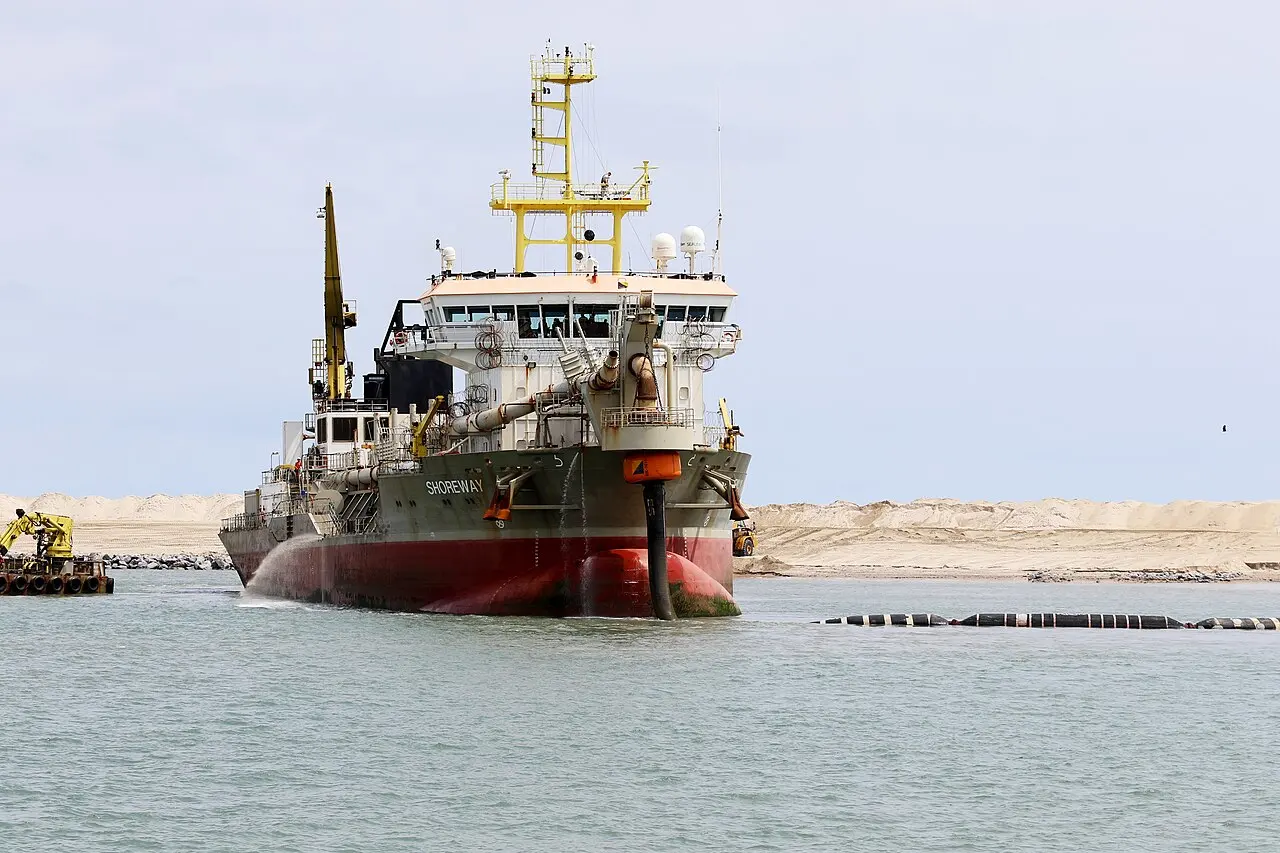
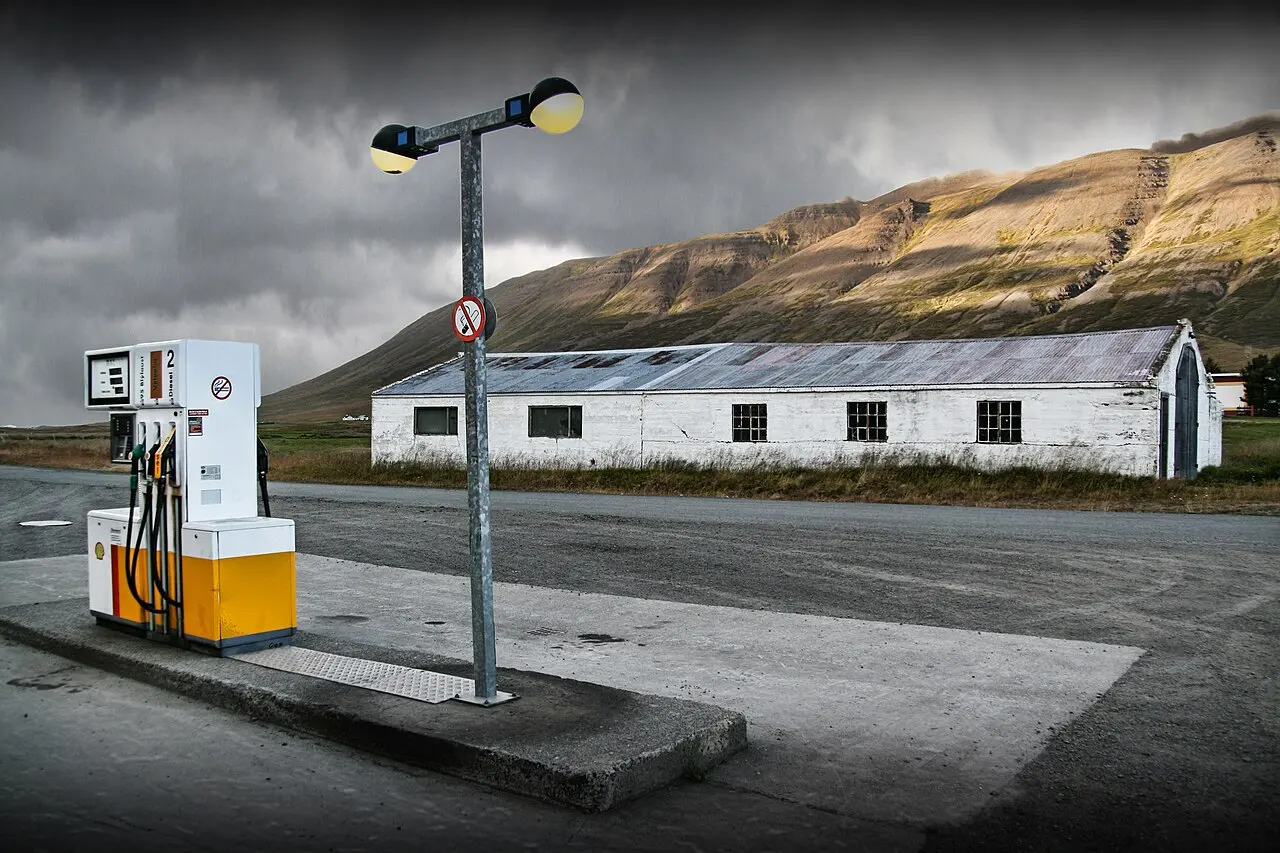
Nigeria’s petrol reserves remain below safety thresholdGodwinPaya · CC BY-SA 4.0

Nigeria’s petrol reserves covered 23.9 days in September, 6.1 days below the 30-day safety threshold. The situation, linked to a drop in imports and domestic deliveries, could cause supply constraints at the end of the year, according to data from Nigeria’s petroleum authority.

Nigeria’s petrol reserves remained below the 30-day safety threshold for seven consecutive months, reaching 23.9 days in September. The situation is raising fears of supply constraints as the year-end holidays approach, according to Nigeria’s downstream petroleum regulator, cited by Leadership.

Stock cover has nevertheless recovered from its low of 16.2 days in May: it rose to 19.6 days in June, 22.4 in July, 22.9 in August and 23.9 in September. The average over the seven months stands at about 20.6 days, compared with 16.9 days in September 2025, Leadership reports.

Petrol imports fell by 30% in September, to 10.2 million litres a day from 14.6 million in August. Total arrivals declined by 23%, to 38.7 million litres daily, while consumption rose by 7%, to 44.4 million litres a day. Domestic deliveries fell by 21%, to 28.5 million litres.

The decline came despite a 13% increase in output from the Dangote refinery, from 41.94 million to 47.22 million litres a day between August and September. Importers cite difficulties obtaining letters of credit from banks, while approved import permits have reportedly been almost exhausted, according to Leadership.
Share this article

Related stories

Nigeria’s stock exchange reaches 15.06 trillion naira in nine months

Investor transactions on the Nigerian Stock Exchange reached 15.06 trillion naira between January and September 2026, including 13.52 trillion by local investors. The 102% year-on-year rise came as the foreign share fell to 10.26%, according to a Nigerian Exchange Limited report.

🇳🇬 Nigeria · Source: ThisDay ·

Angola fuel subsidies expected to reach $4.2 billion

Angola’s fuel subsidies are expected to reach 3.8 trillion kwanzas, or $4.2 billion, this year, according to Secretary of State for Finance and the Treasury Ottoniel dos Santos. The increase, more than twice the budget forecast, could prompt the government to accelerate the reform launched in 2023, reports Expansão.

🇦🇴 Angola · Source: Expansao ·

DR Congo seeks to track 7.7 million tonnes of freight via Tanzania

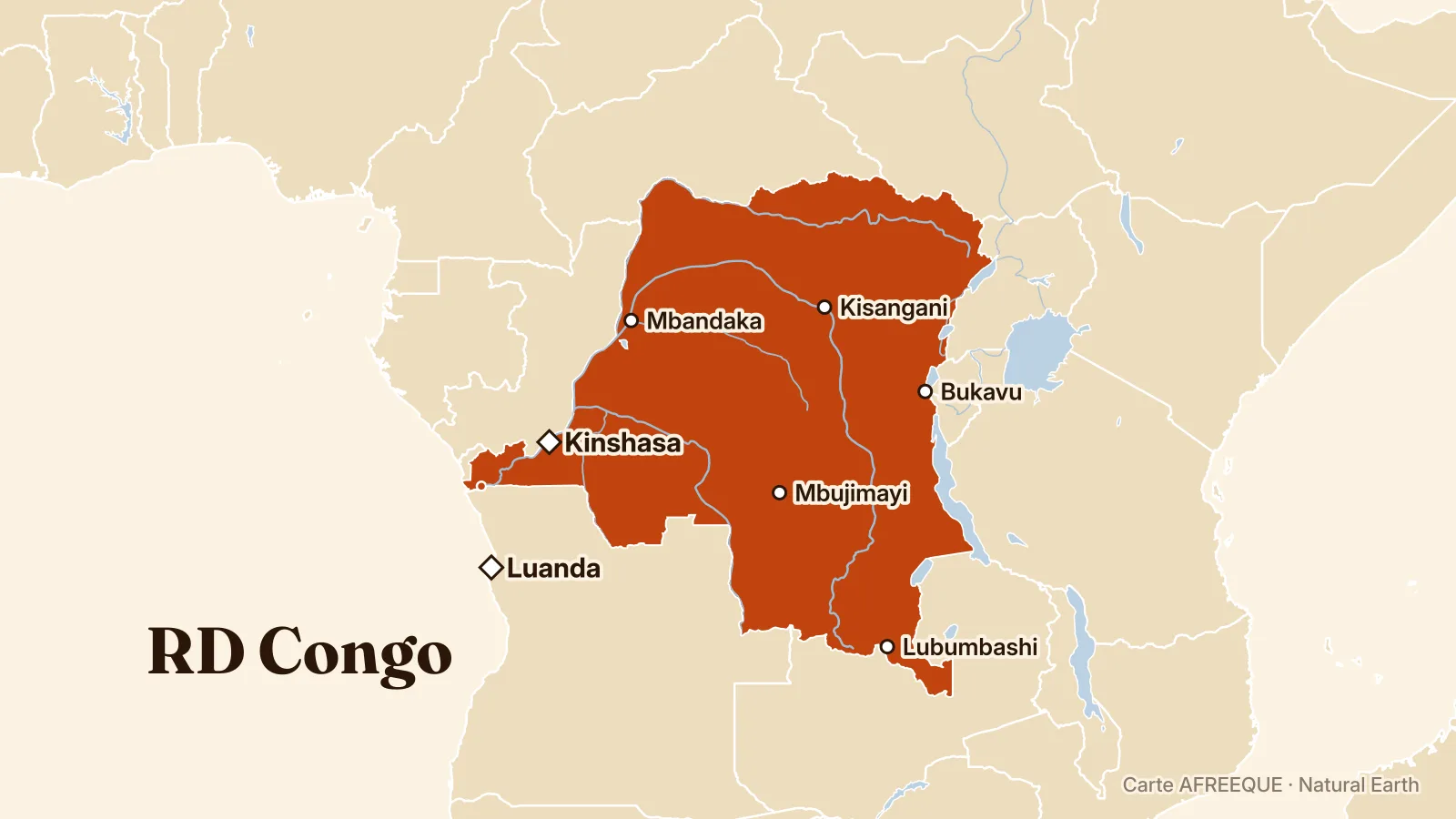
The government of the DR Congo has adopted a strategy to control and secure its imports and exports transiting through the port of Dar es Salaam and the Central Corridor, which carry more than 7.7 million tonnes of Congolese freight each year. A roadmap involving seven ministries is to prepare the signing of a bilateral trade agreement with Tanzania within 90 days, according to the report of the Council of Ministers relayed by Deskeco.

🇨🇩 DR Congo · Source: Deskeco ·

Senegal cuts budget revenue forecasts by 340.3 billion CFA francs

Senegalese minister Cheikh Diba justified the supplementary finance bill by citing a 340.3 billion CFA franc drop in projected revenue linked to budget underperformance. Customs and tax revenues nevertheless exceeded their targets by 81.2 billion CFA francs at the end of September, according to the minister.

🇸🇳 Senegal · Source: Dakaractu ·

🇳🇬 Latest from Nigeria

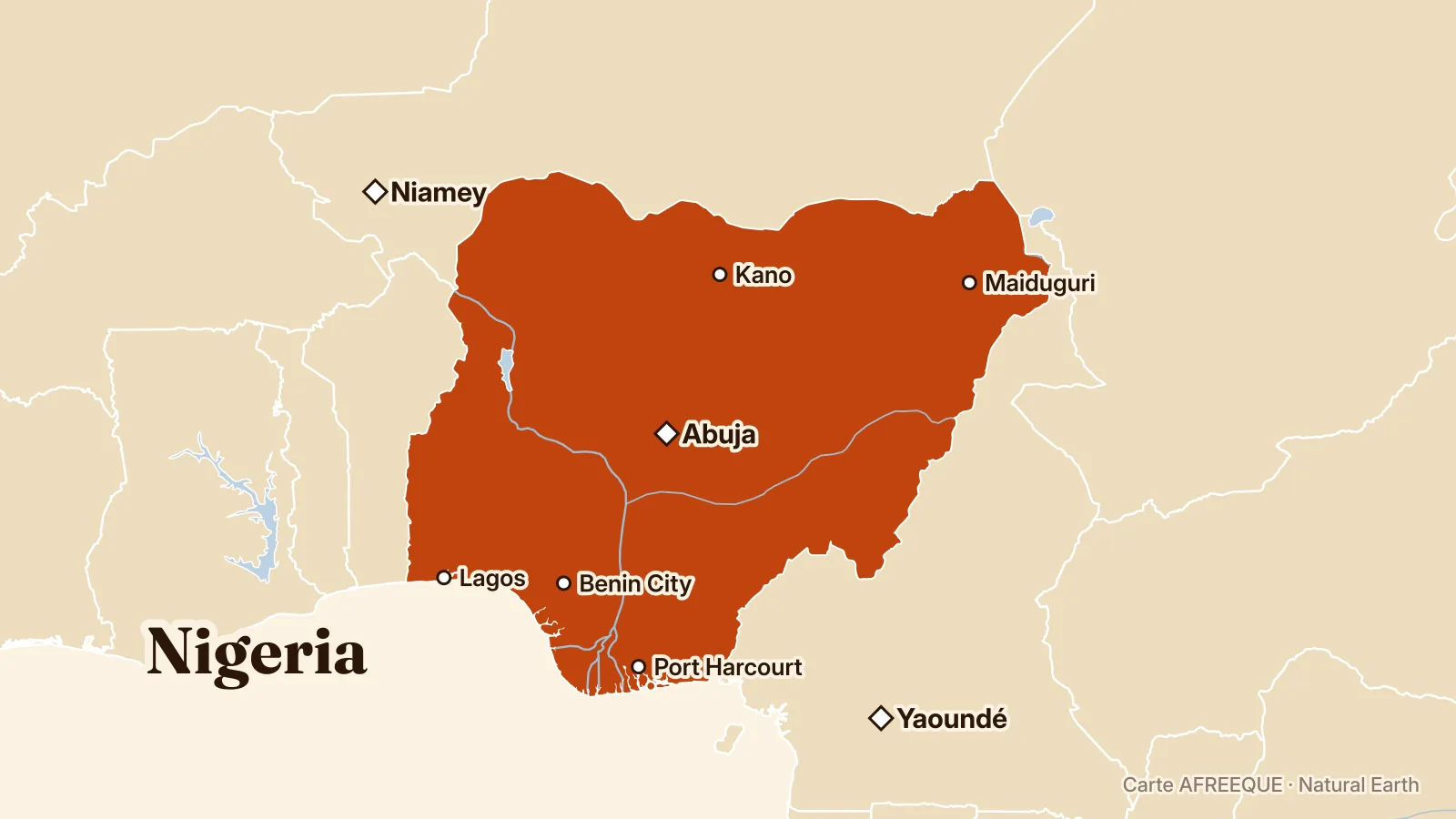
Map: NigeriaSecretary’s transfer triggers judicial crisis in Osun StateThe Osun State Judicial Service Commission is facing a crisis after its secretary, Abosede Fagbola, was transferred to a public teaching hospital. Her replacement by an administrator who is not a lawyer has raised questions about compliance with the law governing the commission, according to sources cited by The PUNCH.All Nigeria news →

Business in West Africa

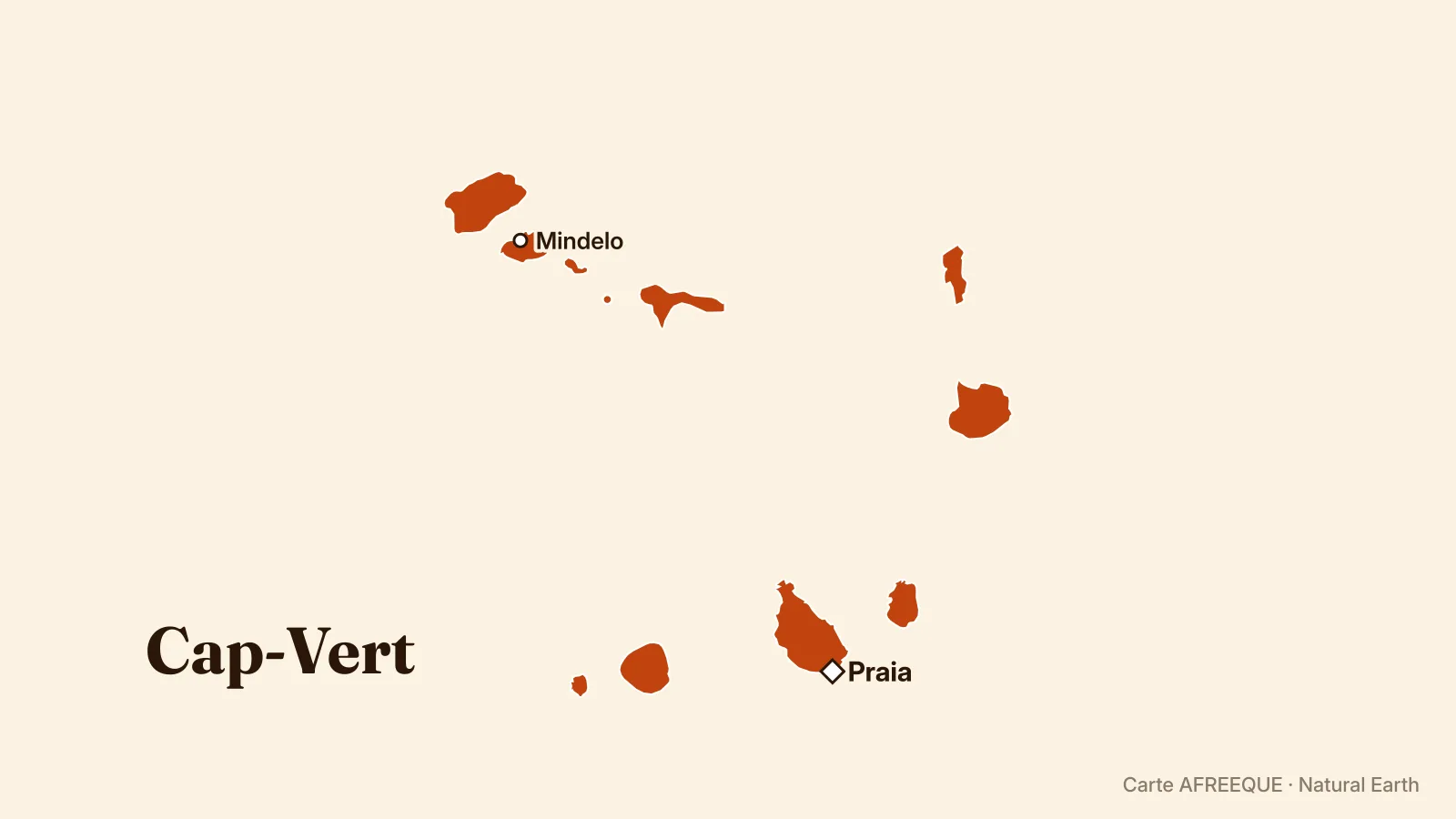
Map: Cape VerdeUndernourishment rises in Cabo Verde in 2022 and 2023Undernourishment prevalence rose in Cabo Verde in 2022 and 2023 after reaching its lowest level in 2021, according to the Sustainable Development Goals statistical report published by the National Institute of Statistics. Over the 2015–2023 period, however, it fell by 3.1 percentage points, while moderate or severe food insecurity declined from 41.1% in 2018 to 32.3% in 2024.All Business news →

The week in Africa

This week’s highlights

  1. Brazilian presidential election: Flávio Bolsonaro leads Lula 50.10% to 49.90%🇧🇷 Brazil
  2. Algeria authorises deployment of military units to Niger🇩🇿 Algeria
  3. Trump threatens to intensify US offensive against Iran🇺🇸 United States
  4. Senegalese prime minister raises constitutional options amid Pastef deadlock🇸🇳 Senegal
  5. Nigeria reports two suspected Ebola cases and 53 contacts🇳🇬 Nigeria
All of this week’s highlights →

Africa in your inbox

Be the first to get our letter in English: the essentials from every region of the continent, free.

← Back to the news