Nigeria defends $21.7 billion in infrastructure borrowing
By the AFREEQUE newsroom, based on Punch
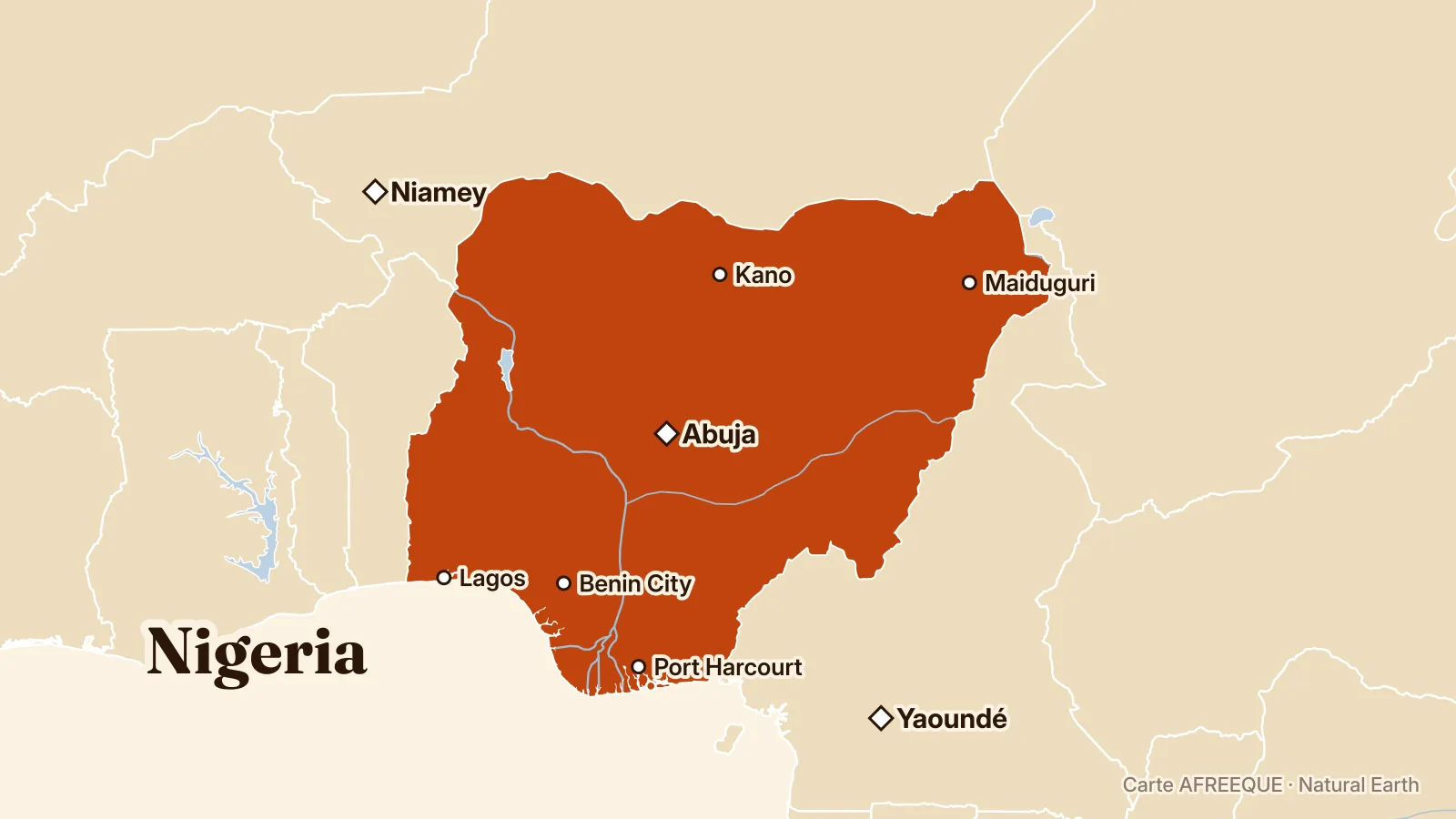
The Nigerian government is defending a supplementary external borrowing programme of $21.7 billion, which Finance Minister Taiwo Oyedele described as a strategic investment in infrastructure. Approved projects include work on the electricity grid, railway equipment and roads, according to Punch, which reported remarks made after a Federal Executive Council meeting in Abuja.
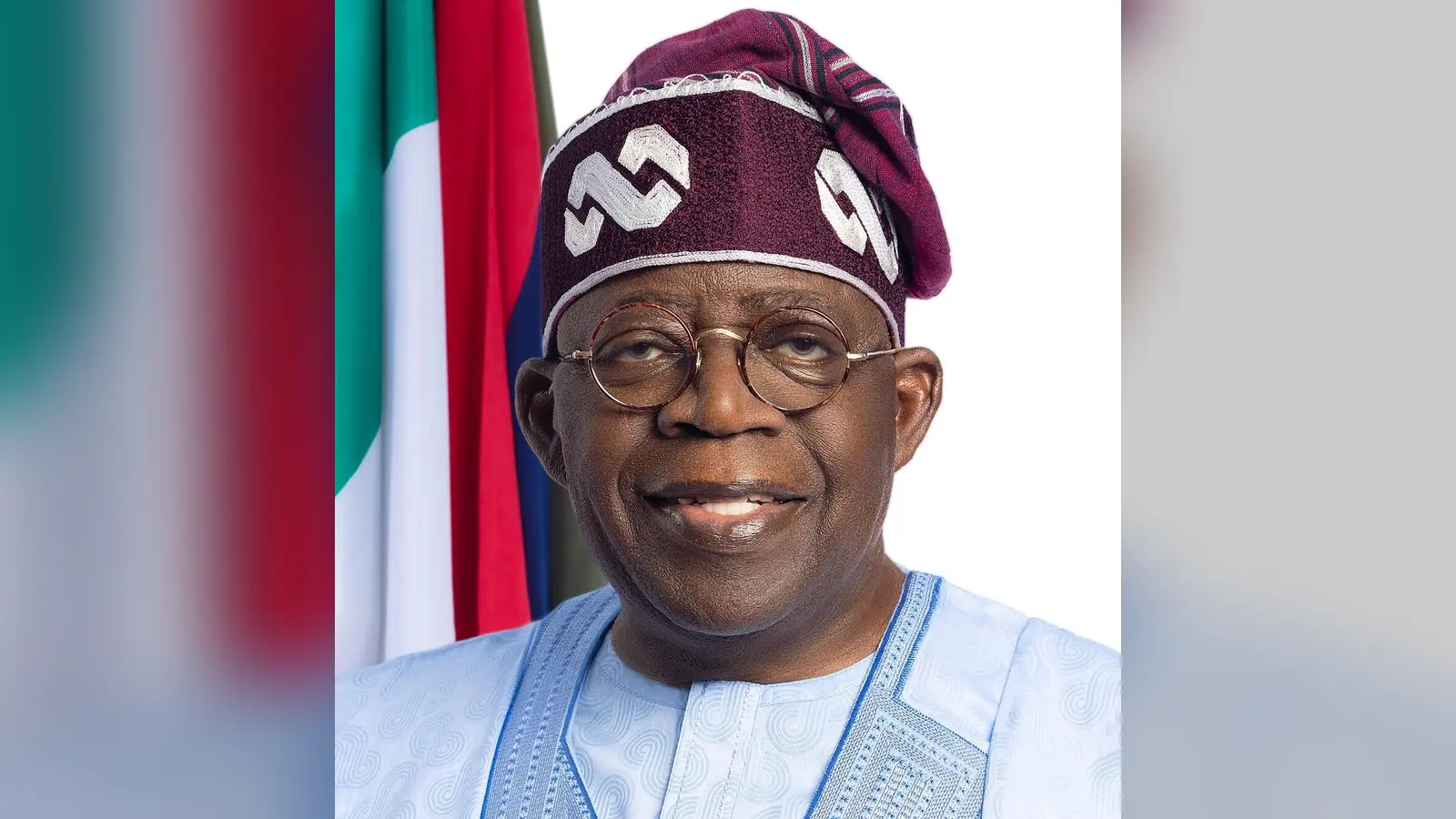
The Nigerian Federal Government is defending a supplementary external borrowing programme of $21.7 billion, presented as strategic infrastructure financing rather than debt accumulation. Finance Minister and Coordinating Minister of the Economy Taiwo Oyedele gave this justification on Wednesday in Abuja, after a Federal Executive Council meeting chaired by President Bola Tinubu, according to Punch.
The Council approved, among other things, a €155.9 million loan to modernise five 132/33 kV electricity substations as part of the first phase of the Presidential Initiative on Electricity. A $970 million syndicated loan will also finance rolling stock for the Karu-Maradi railway line, to support freight, regional trade and the Northern Economic Corridor. A €76.8 million loan from the ECOWAS Bank for Investment and Development is to fund urban and rural roads and access roads to agricultural markets in Bauchi State.
Taiwo Oyedele also said the previous administration had created more than 30 trillion naira, then worth more than $20 billion, and that Nigeria was still feeling its inflationary impact. The government also approved the acquisition of scanners for customs to speed up clearance and combat smuggling, false declarations and small-arms trafficking.
The defence of this financing comes a day after the president’s request for external borrowing, as the Nigerian Senate examines the borrowing programme on 28 October. President Bola Tinubu submitted the request to Parliament on 27 October, covering $20.52 billion and €1.045 billion in financing.