Malawi sharply increases mining licence fees
By the AFREEQUE newsroom, based on Malawi Voice
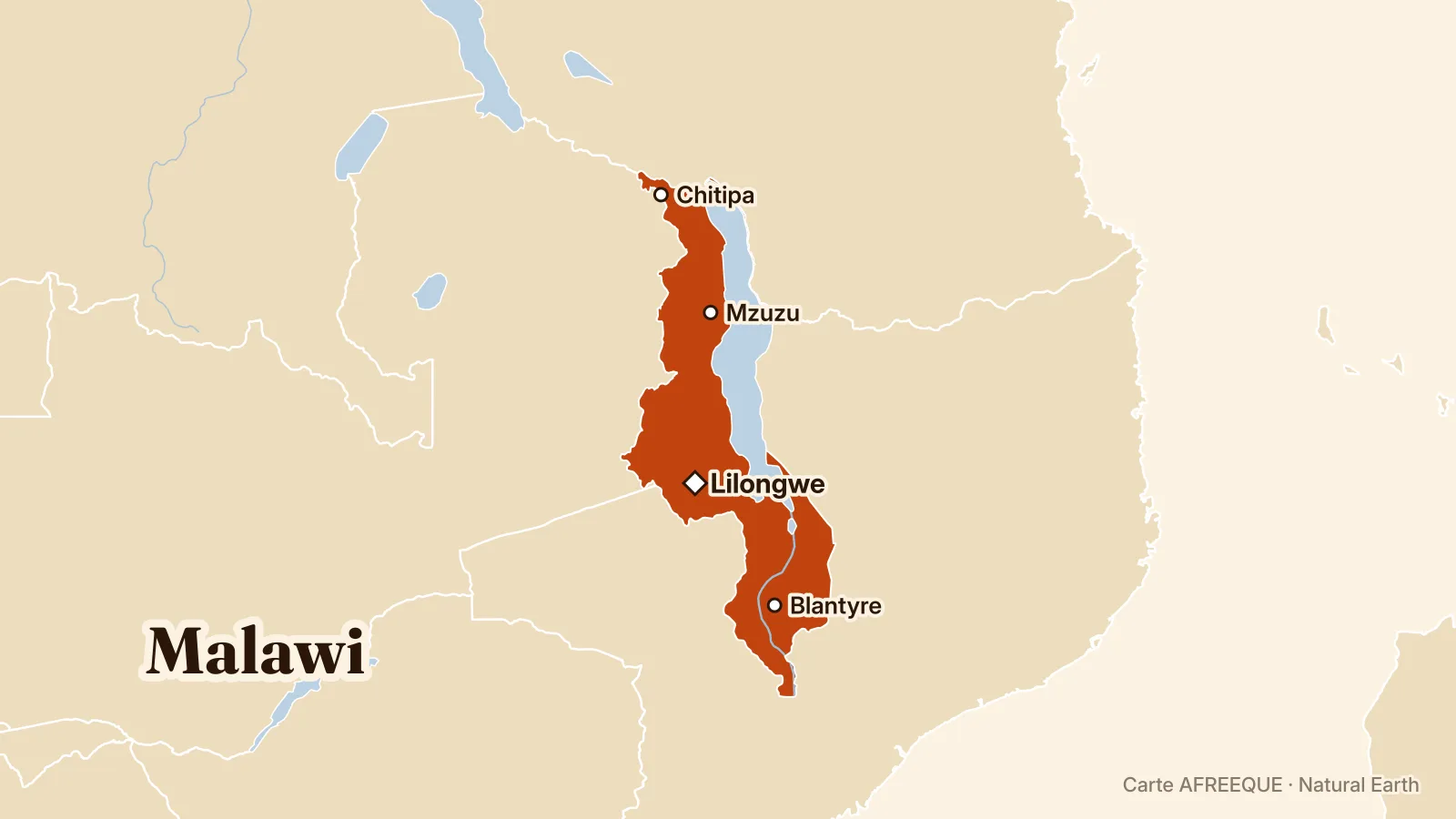
Malawi is sharply increasing mining licence fees, with up to 10.155 million kwachas for large-scale operators and a rise from 30,000 to 350,000 kwachas for small-scale miners. The new schedule was announced on 5 November by Malawi’s mining and minerals regulatory authority.
Malawi has sharply increased mining licence fees, with large-scale operators now required to pay up to 10.155 million kwachas depending on the area covered. Small-scale operators will see their licence fee rise from 30,000 to 350,000 kwachas, an increase of more than tenfold, according to a notice dated 5 November 2026 from the Mining and Minerals Regulatory Authority (MMRA), cited by Malawi Voice.
The new schedule sets, among other fees, the non-exclusive prospecting licence per district at 315,000 kwachas, up from 10,000. A reconnaissance licence costs 525,000 kwachas, an exploration licence 1.575 million and a retention licence 8 million. Medium-scale mining licences are set at 5.0779 million kwachas, while large-scale operations must pay between 5.603 million and 10.155 million depending on the size of their area.
The MMRA, headed in an acting capacity by Lloyd Muhara, is expected to collect 2.2 billion kwachas during the 2026-2027 financial year, compared with a forecast of 2.5 billion for 2027-2028. In 2025, it issued licences to 1,222 companies, according to the 2026 annual economic report.
The government has simultaneously suspended the issuing of new mining licences during an audit and restructuring of the sector and banned the export of unprocessed minerals, including uranium, rare earths, graphite, coal, gemstones and gold. The parliamentary Natural Resources and Climate Change Committee had recommended in March increasing annual licence fees from 10,000 to 1 million kwachas, while the World Bank warned in June that regulatory instability and limited consultation with the sector could harm investment.