Israeli opposition has yet to agree on replacing Netanyahu
By the AFREEQUE newsroom, based on Zambian Observer

The Israeli opposition and Arab parties could muster 67 seats in the Knesset, against 53 for Benjamin Netanyahu’s bloc, but no coalition agreement has been reached. Gadi Eisenkot has called for a new government, but the outcome remains uncertain because of potential partners’ reluctance, according to the Zambian Observer.
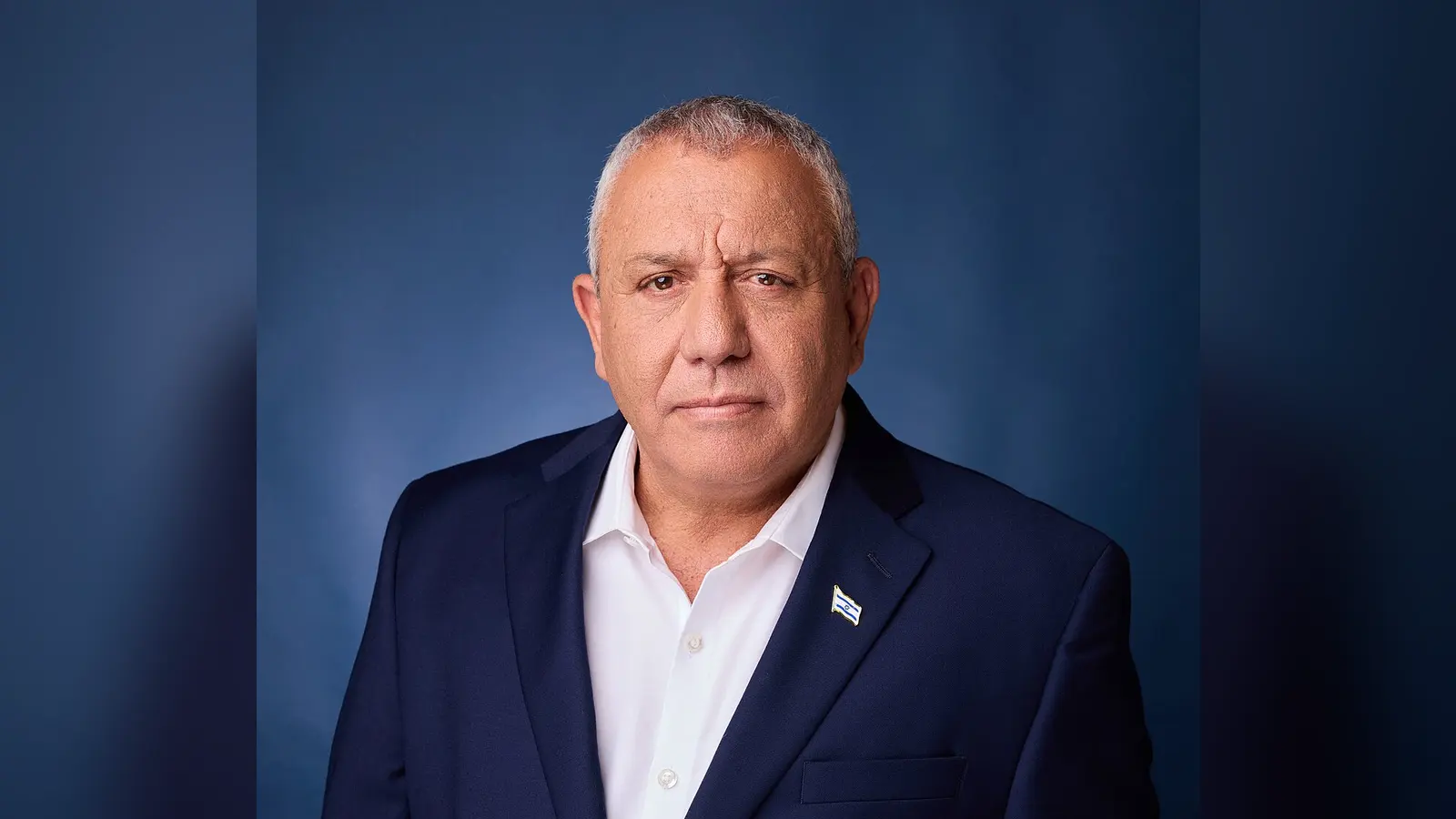
No agreement has been reached between the Israeli opposition and Arab parties to form a government that could replace Prime Minister Benjamin Netanyahu, the Zambian Observer reports. Opposition leader Gadi Eisenkot has raised the possibility of relying on these parties, but the formation of a new coalition remains uncertain.
After Tuesday’s vote, Netanyahu’s bloc has 53 of the 120 seats in the Knesset, Israel’s parliament, eight short of the number needed for a majority. Eisenkot’s bloc has 48 seats and the Arab parties hold 19. Together, the opposition and these parties could muster 67 lawmakers.
Ahmad Tibi, a member of the United Arab List, said his party could support a government seeking to replace Netanyahu without formally joining it. The prime minister has rejected this possibility, while some potential opposition partners oppose it.
The uncertainty follows results on 29 October that left Netanyahu’s bloc without a majority, and Ahmad Tibi’s statement that he might support a minority government. The same day, Netanyahu rejected a coalition backed by the Arab parties.