Ebola: Yobe monitors 17 local government areas after Abuja case
By the AFREEQUE newsroom, based on Leadership
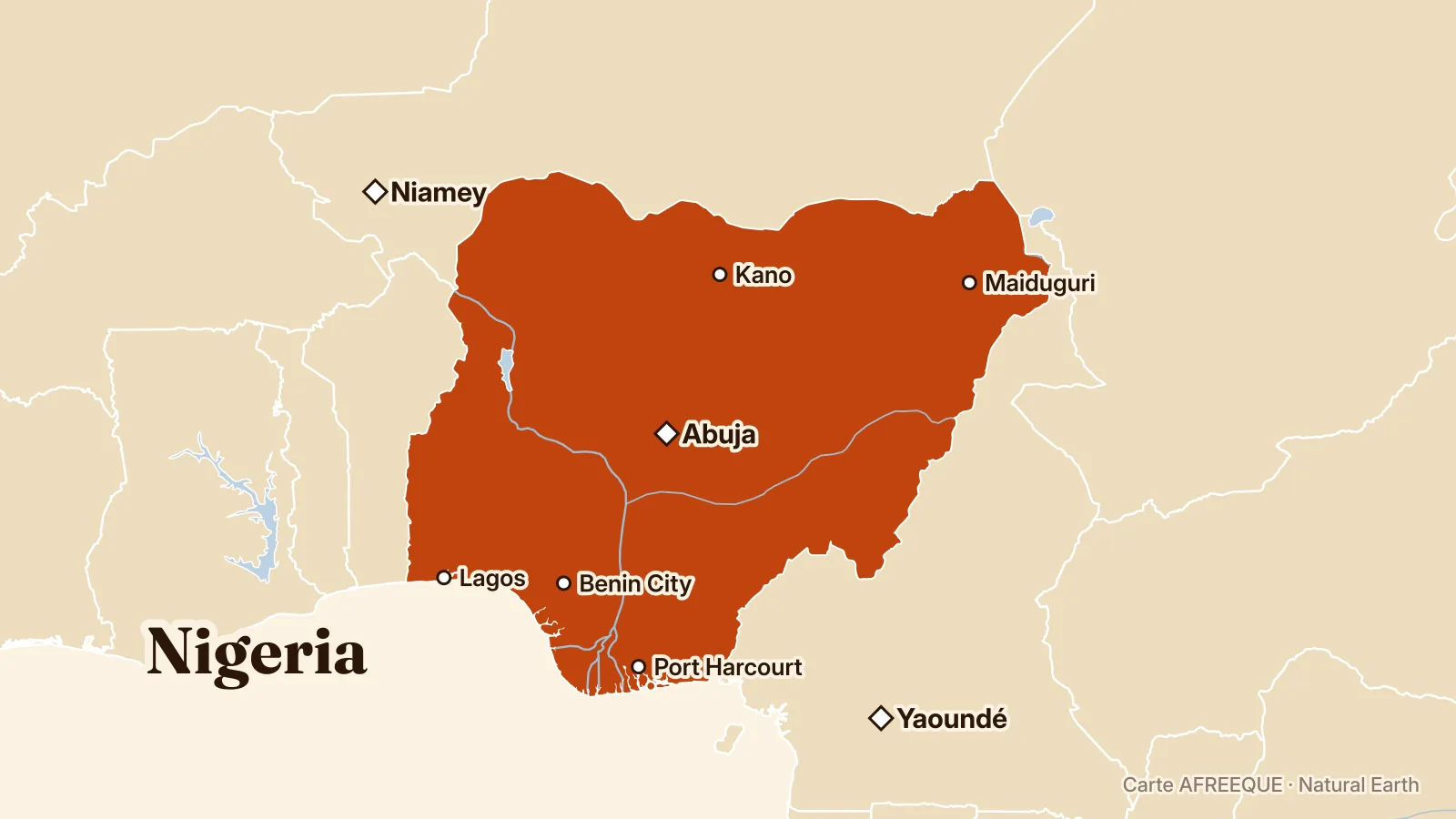
Nigeria’s Yobe State has activated its public health emergency response system and intensified surveillance across its 17 local government areas after an imported Ebola case was confirmed in Abuja. As of 24 October, 53 people who had contact with the patient were being monitored and 46 exposed people were on a 21-day no-fly list, according to Permanent Secretary of Health Hadiza Sabo.
The Yobe State Government in Nigeria has activated its public health emergency response system and intensified surveillance across its 17 local government areas after the confirmation of an imported Ebola case in Abuja, Permanent Secretary of the Ministry of Health and Social Services Hadiza Sabo said on Monday. No case had been recorded in the state, she specified at a press briefing in Damaturu.
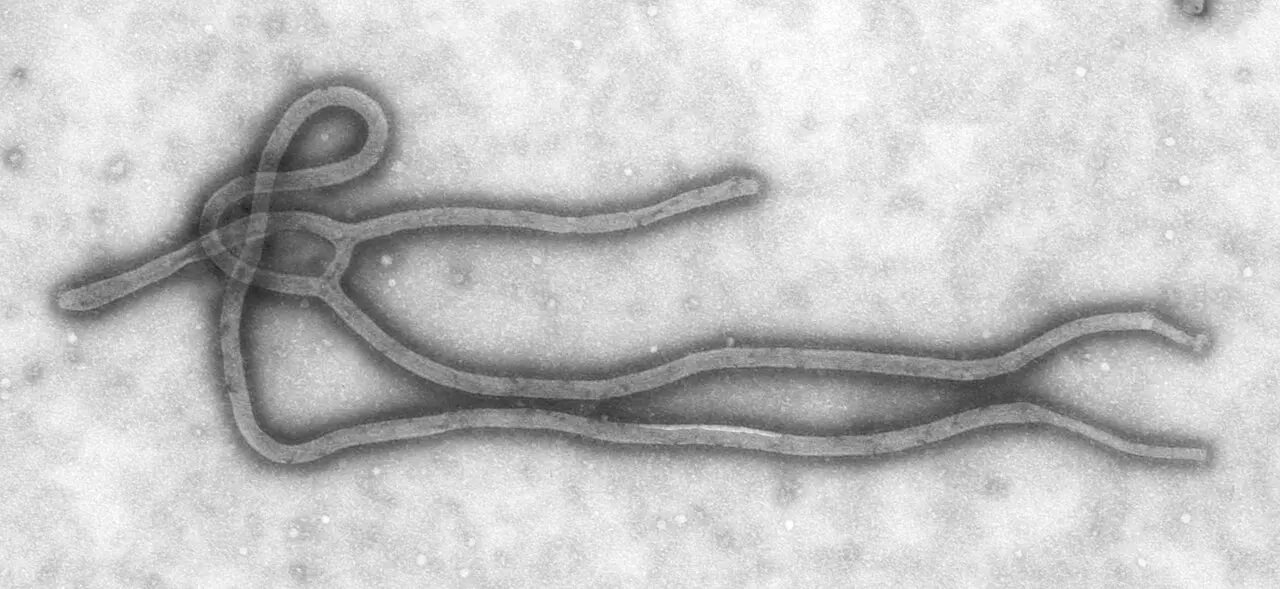
The case involves a diplomat who arrived from Uganda and was infected with the Bundibugyo strain. The patient is isolated and receiving treatment, while 53 people who had contact with her, including healthcare workers, patients, companions and travellers, were being monitored as of 24 October, according to Hadiza Sabo. Forty-six exposed people were also placed on a 21-day no-fly list.
Yobe’s emergency operations centre has been placed on heightened alert. Officials are to investigate any suspected case in the 17 local government areas and monitor contacts for 21 days. Isolation and treatment centres have been equipped in the state’s three senatorial zones, and healthcare workers have received additional training in infection prevention, the safe collection of samples and clinical care, the official added.
The measure follows confirmation of Nigeria’s first case by the Nigeria Centre for Disease Control and Prevention (NCDC) on 20 October. It extends the surveillance measures at Nigeria’s borders announced by Yobe and forms part of the national response coordinated by the NCDC, with the WHO and UNICEF.