Drought worsens famine risk in Sudan
By the AFREEQUE newsroom, based on Sowetan
Drought linked to El Niño is increasing the risk of famine in Sudan, where crops and livestock are suffering in areas affected by war. Rainfall from July to September was at its lowest level in decades, while 5.1 million people faced severe hunger in June, according to the IPC and humanitarian experts.
The drought linked to the El Niño climate phenomenon is increasing the risk of famine in Sudan, where war and sieges have already caused pockets of famine, Reuters reports. Crops and livestock are particularly affected in the south of the country, a region where rain-fed farming provides much of the food, according to UN officials, humanitarian experts and farmers.
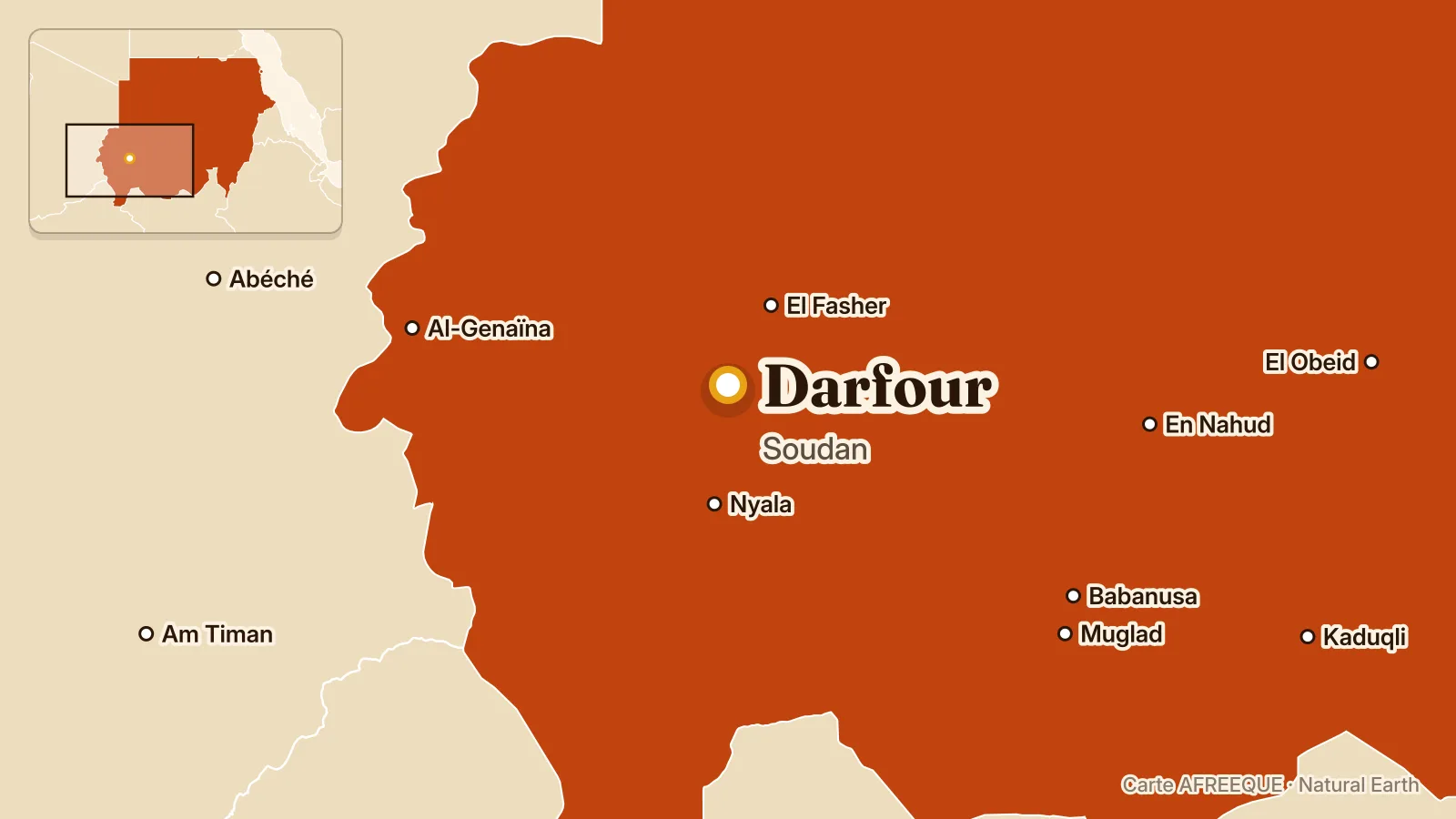
Rainfall recorded from July to September, at the height of the rainy season, was the lowest nationally in more than 30 years, according to data from the US Geological Survey. It was at its lowest level since 1984 in North Darfur, since 1990 in North Kordofan and since 1991 in Gedaref.
The Integrated Food Security Phase Classification (IPC), a UN-supported system that measures levels of hunger, estimated in June that 5.1 million people were facing severe hunger. The World Food Programme expects a further 350,000 people to be in this situation by the end of 2026, followed by 1.2 million more by August 2027, according to its Sudan programme chief, Samuel Clendon.
The Darfur and Kordofan regions are the most exposed, according to the World Food Programme. The drought is threatening, in particular, the harvests expected in November and December, which were due to help reduce hunger after fighting eased in some areas, Reuters reports.