Torture and detention persist after RSF capture of El Fasher
By the AFREEQUE newsroom, based on Amnesty

One year after the Rapid Support Forces captured El Fasher, civilians describe arbitrary detention, torture and executions, while fewer than 70,000 residents are thought to remain in the city. Humanitarian access remains limited and surveillance widespread, according to Amnesty International.
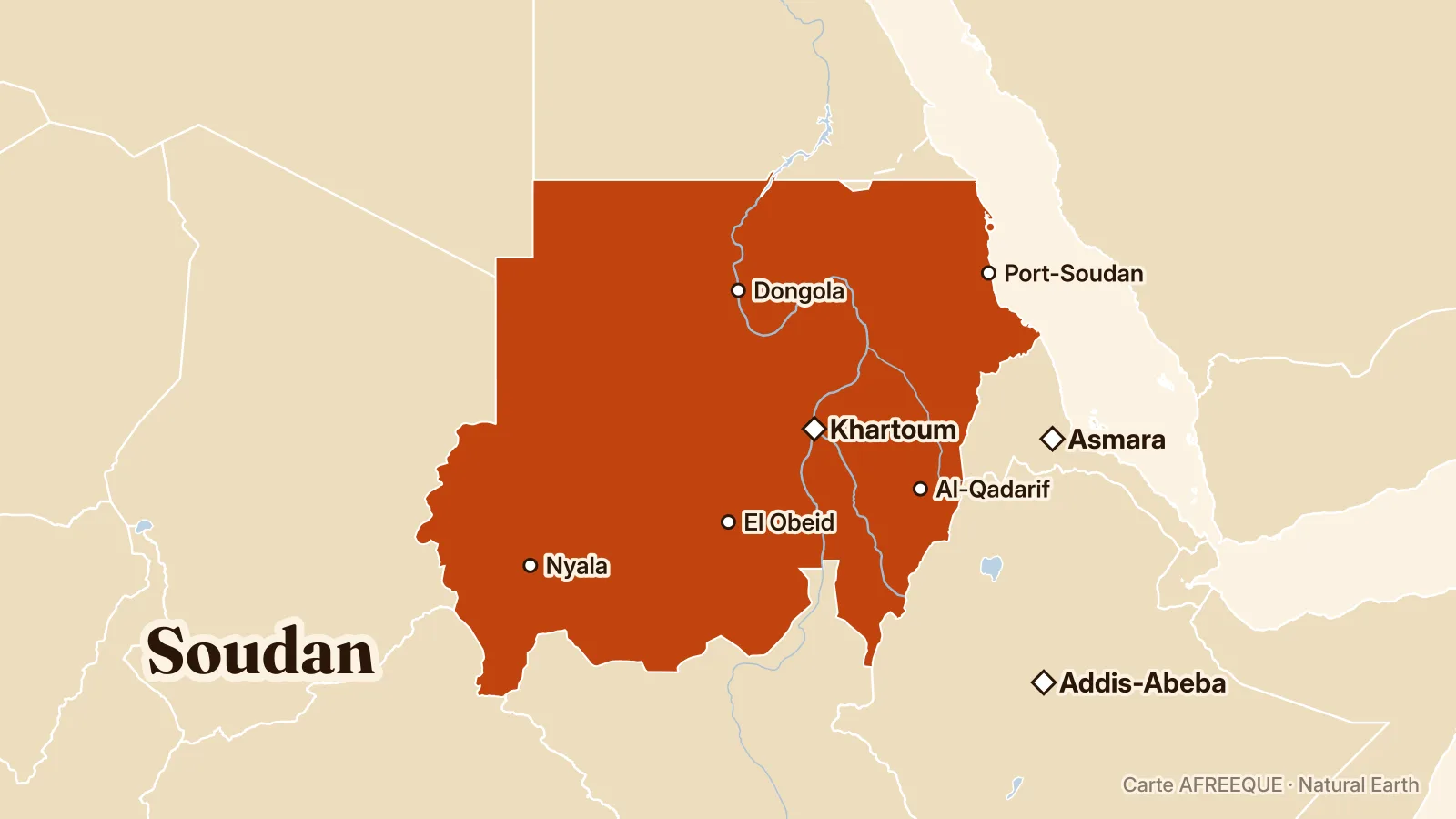
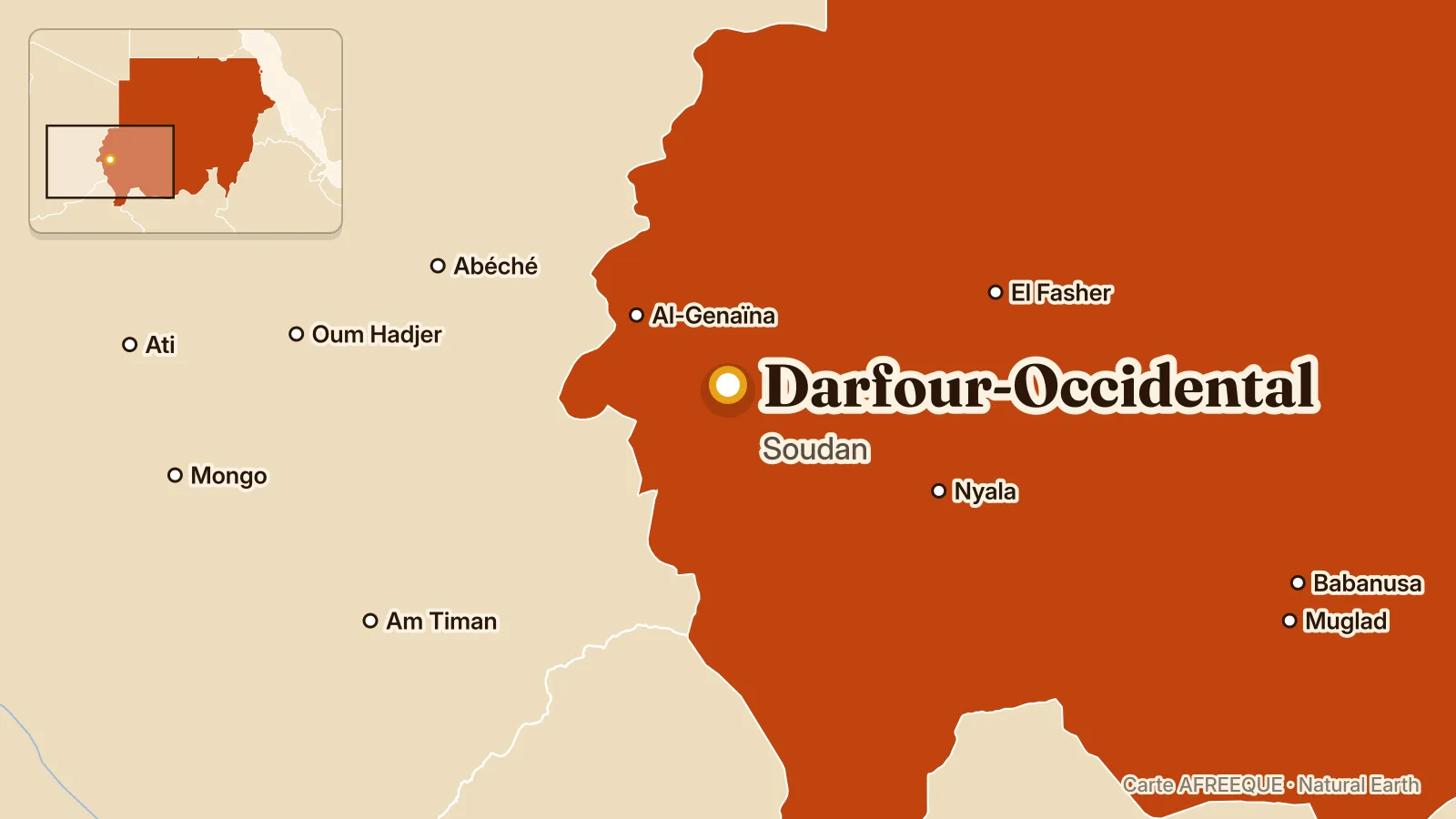
A year after the Rapid Support Forces (RSF) captured El Fasher, the capital of North Darfur in Sudan, civilians remain at risk of arbitrary detention, torture and executions, Amnesty International says. Residents who recently managed to flee the city told the organisation that schools are being used as detention centres and movement is tightly controlled.
Fewer than 70,000 people are currently in El Fasher, compared with more than one million before the war, according to figures collected by humanitarian organisations on the ground. Access to aid remains limited, and humanitarian workers and civilians are under surveillance. Amnesty International Secretary General Agnès Callamard said the city remained marked by fear and condemned the RSF’s calls for residents to return.
Amnesty International says ceasefire efforts are insufficient and civilians are not receiving effective protection. The organisation is calling for a ceasefire, prosecutions for abuses and the deployment of a protection force. It also accuses the United Arab Emirates of continuing to support the RSF and criticises governments able to exert influence for not condemning their role.
The capture of El Fasher is part of a conflict that continues in several regions of Sudan. The Sudanese army notably bombed paramilitary positions in Nyala for four days, according to a report published on 21 October. The RSF recruits children and exposes them to violence in North Darfur.