World Bank forecasts 18% rise in food prices
By the AFREEQUE newsroom, based on Infomediaire
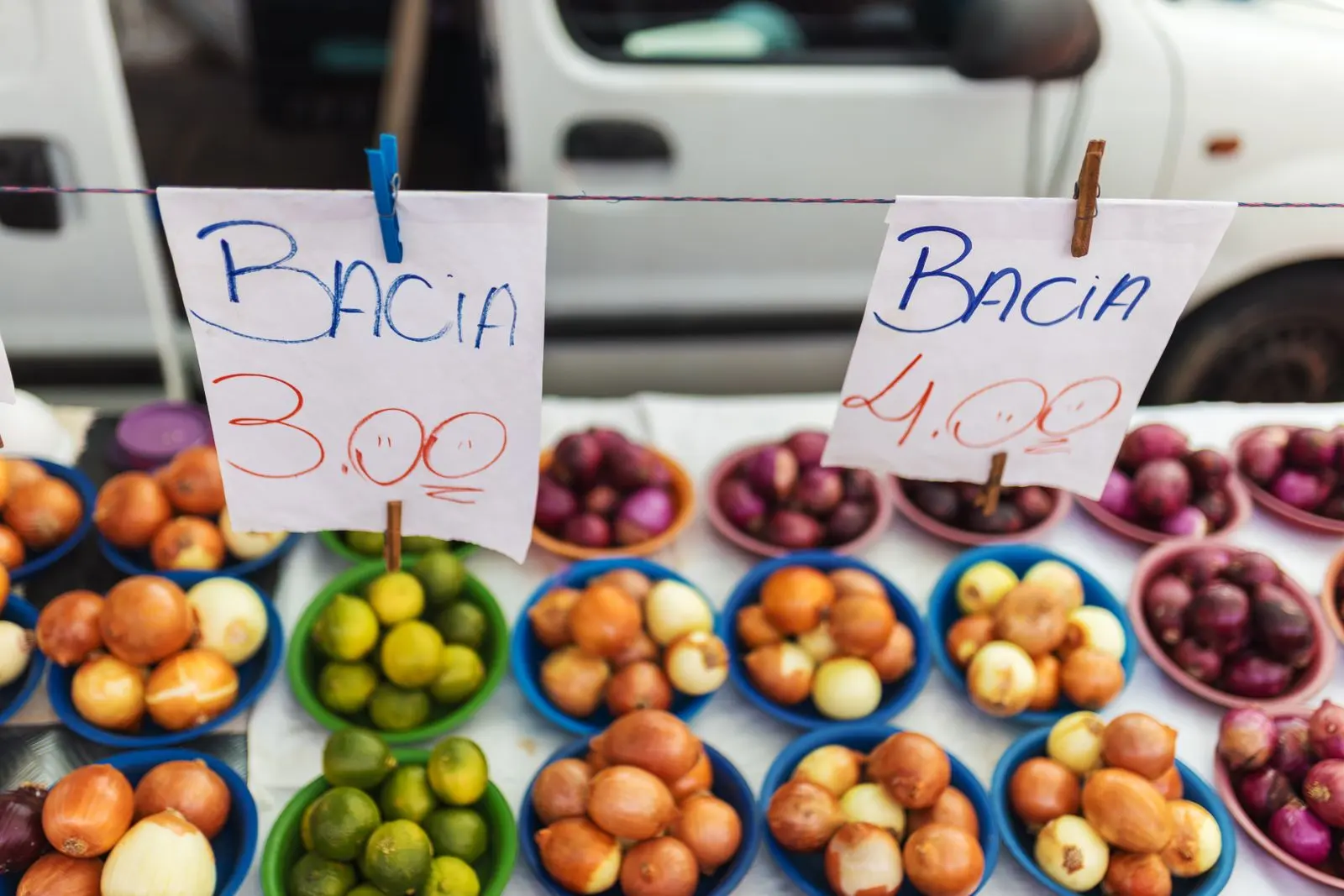 Illustrative image · Matheus Bertelli · Pexels · Licence Pexels
The World Bank forecasts an 18% rise in food prices between 2025 and 2027, while energy prices are expected to increase by 32% in 2026. Its scenario also forecasts Brent crude at $91 a barrel in 2026, with a risk of a further rise if conflict resumes in the Middle East.
The World Bank forecasts an 18% rise in global food prices between 2025 and 2027, driven by supply difficulties linked to conflicts and an exceptional El Niño event expected during the winter, according to the institution’s projections. Energy prices, meanwhile, are expected to rise by 32% in 2026 before partially retreating in 2027.
In its baseline scenario, the World Bank expects Brent crude to average $91 a barrel in 2026, compared with $69 in 2025, before reaching $79 in 2027. This forecast depends on there being no resumption of the conflict in the Middle East after the US midterm elections on 3 November. A fresh escalation could push Brent to an average of $105 in 2027 and lead to a further 12% rise in food prices compared with the median scenario.
Global oil demand is expected to fall by 2.5% in 2026, while deliveries are forecast to decline by 5.2%, their sharpest fall in 40 years outside 2020. The drop in demand would be the third-largest, after those of 2020 and 1980.
Fertiliser prices are expected to rise by 14% in 2026 before returning to their 2025 level in 2027. Metals are forecast to rise by 25% in 2026, driven by demand from renewable energy, data centres dedicated to artificial intelligence and electric vehicles, with new records expected for aluminium, copper and tin.