Polokwane discharges sewage into two rivers
By the AFREEQUE newsroom, based on Groundup
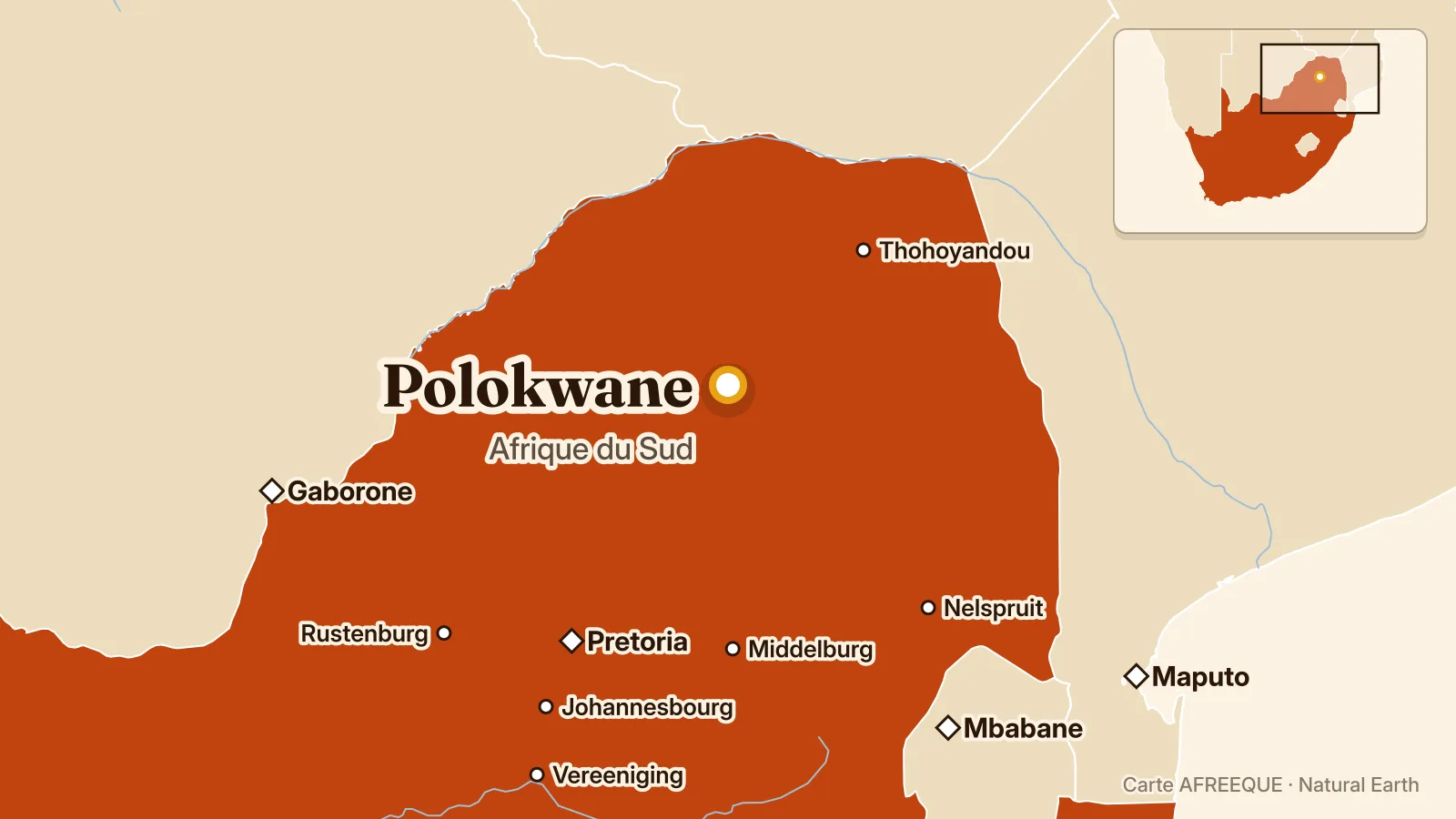
Polokwane’s three sewage treatment plants in South Africa have an average compliance rate of 23%, with just 3% for microbiological criteria. They discharge sewage into two rivers and are also overwhelmed by incoming volumes, according to GroundUp, which reports that an infrastructure project is stalled.
The three sewage treatment plants operated by the Polokwane municipality in South Africa’s Limpopo province discharge more than 48 million litres of largely untreated sewage into the Blood and Sand rivers every day, according to GroundUp, citing the South African Department of Water and Sanitation’s 2025 Green Drop report. These waterways flow into the Limpopo River.
The three facilities received an average score of 23% in the report, and only 3% for microbiological compliance, an indicator of the presence of faecal bacteria in discharges. In July, the Polokwane plant received 27 million litres a day more than its capacity of 36 million. The Seshego plant exceeded its capacity by more than one million litres a day, while the Mankweng facility exceeded its capacity by 630,000 litres a day in August.
Pollution is visible in the Sand River, where thick white foam, murky water and a strong smell were observed beneath the Doornbult Road bridge. Commercial farmers use this water to irrigate their crops, GroundUp reports.
A major infrastructure project intended to solve Polokwane’s sanitation problems is at a standstill, according to GroundUp. 2026-10-26